THE ADVENTURE COLLECTIVE® · Independent discovery and booking for outdoor travel

Three days moving from Muscat’s coast to the rolling Wahiba Sands and the turtle beaches of Ras al Jinz—an accessible mix of Bedouin culture, dune camping and nighttime turtle watching that pairs short hikes with scenic drives.
Three days moving from Muscat’s coast to the rolling Wahiba Sands and the turtle beaches of Ras al Jinz—an accessible mix of Bedouin culture, dune camping and nighttime turtle watching that pairs short hikes with scenic drives.
A wind-blown dawn over Muscat gives way to whitewashed houses and the slow swell of the Gulf of Oman. By midmorning the road loosens into open sand; the desert itself begins to rearrange the world. Dunes push and fall like living hills, then, two nights later, the surf at Turtle Beach hushes the day.
Verified experiences and guided adventures in the surrounding area.
Operated by Secret Arabia · Muscat, Muscat Governorate
A wind-blown dawn over Muscat gives way to whitewashed houses and the slow swell of the Gulf of Oman. By midmorning the road loosens into open sand; the desert itself begins to rearrange the world. Dunes push and fall like living hills, then, two nights later, the surf at Turtle Beach hushes the day.
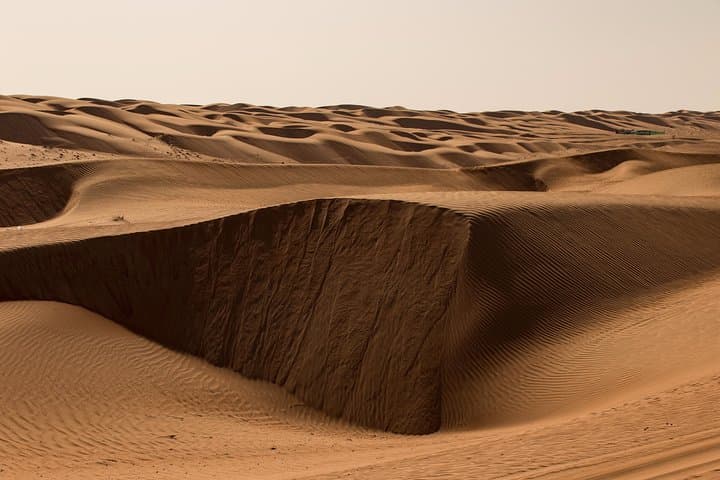
This three-day circuit threads Muscat’s coastal history with the raw geology of the Sharqiya (Wahiba) Sands and the turtle nesting beaches near Ras al Jinz. Muscat offers forts, souks and a coastline shaped by sea-level terraces. Wahiba’s dunes are wind-sculpted quartz sand—dune crests commonly reach 30–100 m—with interspersed gravel plains and seasonal wadis that collect sparse vegetation used by Bedouin herds. Sur and the eastern coastline retain a maritime culture built on dhow-building and coastal fishing; Ras al Jinz is a protected reserve for green turtles, with peak nesting May–September.
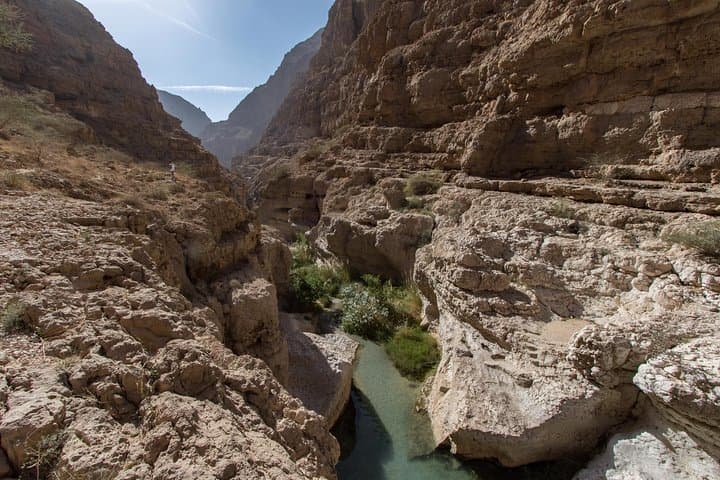
Expect long drives (Muscat to Wahiba ~2–3 hours; Wahiba to turtle beaches ~2 hours) and short hikes: wadi pools and canyon walks (30–120 minutes each). Nights range from traditional desert camp beds to modest beach hotels. Practical notes: carry 3–4 L water per day, sun protection, and lightweight layers for desert nights. Guided visits balance cultural exchange—Bedouin hospitality, camel rides optional—with conservation rules at turtle sites (no flash photography, stay with the guide). Plan travel timing around cooler morning and late-afternoon windows; summer highs can exceed 40°C. This itinerary balances accessible adventure, cultural context and tangible encounters with Oman’s sand and sea.
moderate.
3 days.
Light to moderate fitness—comfortable walking on sand and brief wadi hikes; able to step over uneven rock.
Expect 2–3 hour drives: Muscat to Wahiba ~2–3 hours; Wahiba to Ras al Jinz ~1.5–2.5 hours depending on route and stops.
Turtles nest year-round with peak activity in the warmer months (roughly May–September); guided night visits improve viewing chances.
Yes—camel rides are usually optional and may incur an additional fee; request this when booking.
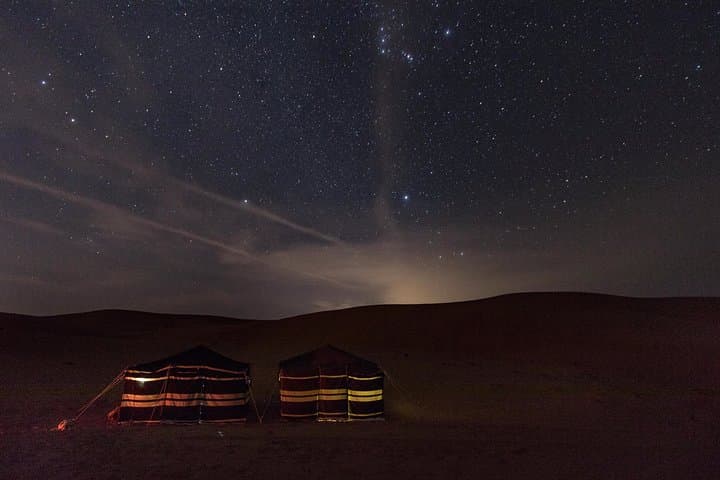
Nights include traditional desert camps (simple tents/beds) and modest beach hotels—expect comfortable but not luxury facilities unless specified.
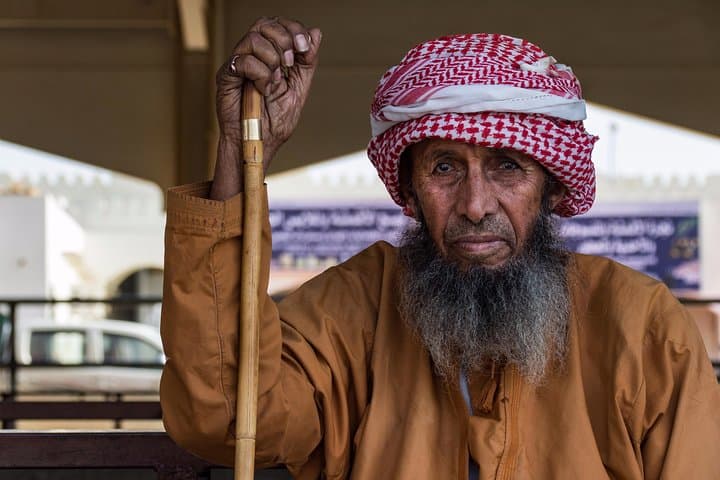
This coast sustained maritime trade for centuries; Sur’s shipyards built dhows that linked Oman to East Africa and the Indian Ocean. Bedouin groups have lived in the Sharqiya Sands for generations, maintaining pastoral traditions.
Ras al Jinz is a protected turtle reserve with strict viewing rules; the Wahiba dunes are ecologically fragile—avoid driving off marked tracks and minimize camp waste.
Secret Arabia operates guided outdoor trips and adventures with an emphasis on safety, stewardship, and memorable experiences.
A wind-blown dawn over Muscat gives way to whitewashed houses and the slow swell of the Gulf of Oman. By midmorning the road loosens into open sand; the desert itself begins to rearrange the world. Dunes push and fall like living hills, then, two nights later, the surf at Turtle Beach hushes the day.
A wind-blown dawn over Muscat gives way to whitewashed houses and the slow swell of the Gulf of Oman. By midmorning the road loosens into open sand; the desert itself begins to rearrange the world. Dunes push and fall like living hills, then, two nights later, the surf at Turtle Beach hushes the day.
This three-day circuit threads Muscat’s coastal history with the raw geology of the Sharqiya (Wahiba) Sands and the turtle nesting beaches near Ras al Jinz. Muscat offers forts, souks and a coastline shaped by sea-level terraces. Wahiba’s dunes are wind-sculpted quartz sand—dune crests commonly reach 30–100 m—with interspersed gravel plains and seasonal wadis that collect sparse vegetation used by Bedouin herds. Sur and the eastern coastline retain a maritime culture built on dhow-building and coastal fishing; Ras al Jinz is a protected reserve for green turtles, with peak nesting May–September.
Expect long drives (Muscat to Wahiba ~2–3 hours; Wahiba to turtle beaches ~2 hours) and short hikes: wadi pools and canyon walks (30–120 minutes each). Nights range from traditional desert camp beds to modest beach hotels. Practical notes: carry 3–4 L water per day, sun protection, and lightweight layers for desert nights. Guided visits balance cultural exchange—Bedouin hospitality, camel rides optional—with conservation rules at turtle sites (no flash photography, stay with the guide). Plan travel timing around cooler morning and late-afternoon windows; summer highs can exceed 40°C. This itinerary balances accessible adventure, cultural context and tangible encounters with Oman’s sand and sea.