THE ADVENTURE COLLECTIVE® · Independent discovery and booking for outdoor travel

A compact three-day circuit from Ouarzazate that stitches oasis palms, rocky gorges and the Erg Chebbi dunes into a single accessible desert experience—complete with a camel ride and luxury bivouac night.
A compact three-day circuit from Ouarzazate that stitches oasis palms, rocky gorges and the Erg Chebbi dunes into a single accessible desert experience—complete with a camel ride and luxury bivouac night.
Morning light slices across red mud-brick walls as a convoy of air-conditioned vehicles leaves Ouarzazate, tires humming the first lines of a three-day route through palms, gorges and sand.
Verified experiences and guided adventures in the surrounding area.
Operated by DESERT DREAM · Ouarzazate, Drâa-Tafilalet
Morning light slices across red mud-brick walls as a convoy of air-conditioned vehicles leaves Ouarzazate, tires humming the first lines of a three-day route through palms, gorges and sand.
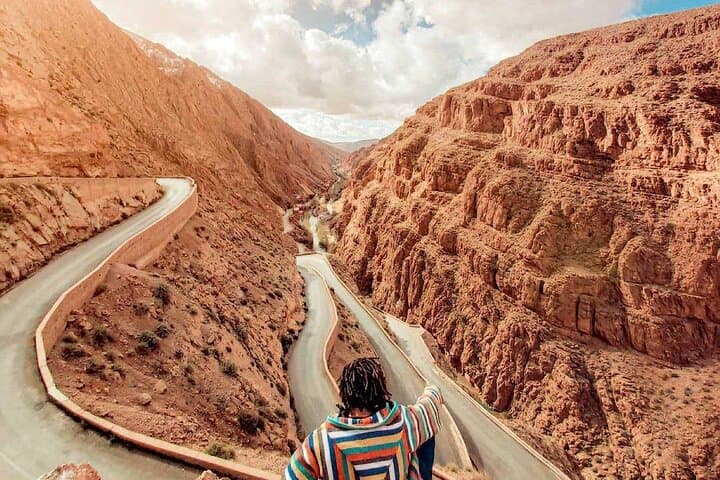
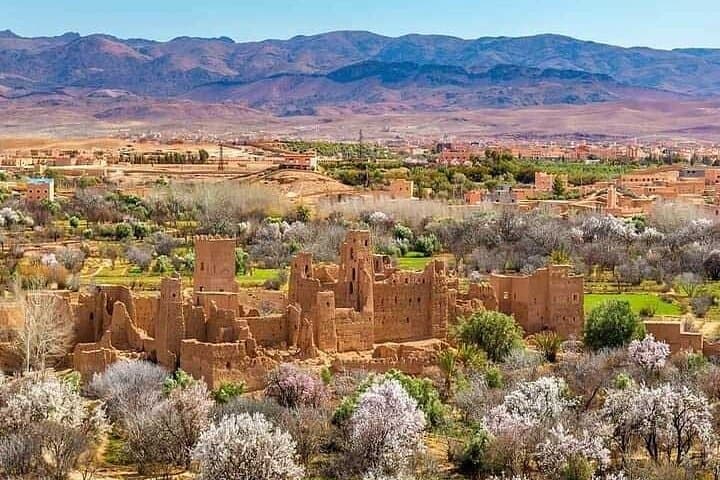
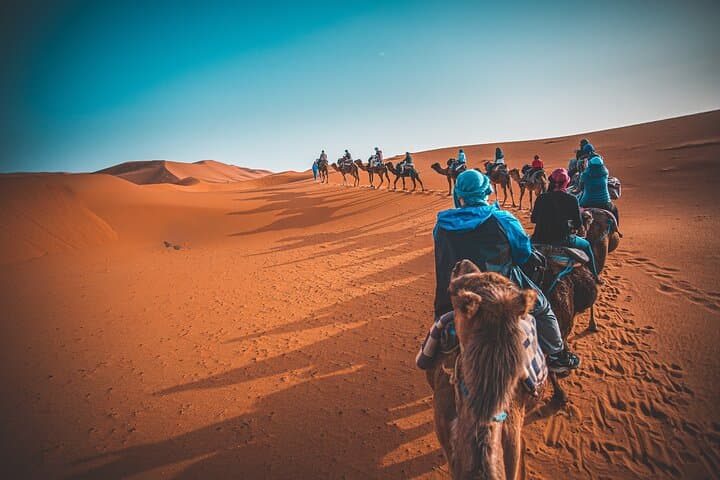
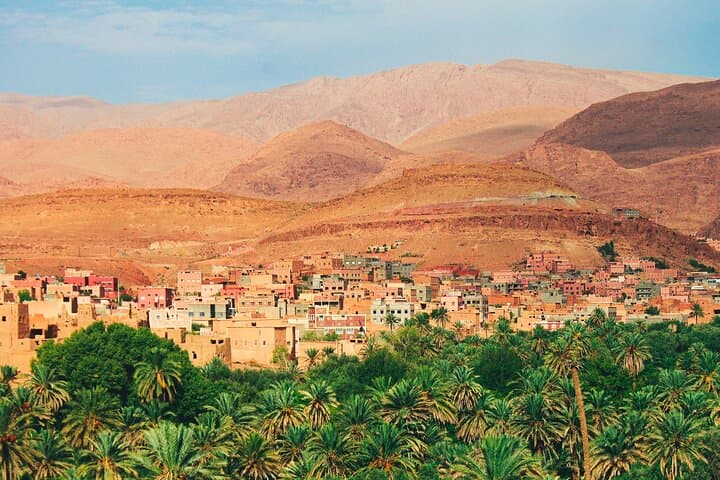
This circuit threads the Valley of Roses, Todra and Dadès gorges, the palm-lined Draa and the great erg at Merzouga. Kasbah Amridil in Skoura shows classic southern Moroccan earthen architecture—high towers, crenellated façades built to store water and shade families for generations. Geologically the route moves from the eroded limestone cliffs of the Todra to the wind-sculpted quartz and silicate dunes of Erg Chebbi; sediment and flash-flood corridors gave shape to the gorges, while aeolian processes build the dunes you’ll cross by camel.
Culturally the trip follows ancient caravan corridors: markets in Rissani still trade dates and leather, and small ksars (fortified villages) map centuries of Berber settlement. Evenings at a Merzouga bivouac include drum-driven songs—living oral history beneath the stars.
Practical guidance: expect long drives (several 2–4 hour legs), short walks in gorges (30–120 minutes each), a one-hour camel transfer to the bivouac and basic but comfortable bivouac accommodation. Pack sun protection and layered clothing: desert days heat quickly while nights in the bivouac get chilly. Bring cash for small market purchases and tipping; confirm pickup location in Ouarzazate or arrange transfers from Marrakech or Fez. Hydrate steadily on road segments and follow guide briefings for camel safety and dune etiquette. The route rewards travelers who want culture, dramatic landscapes and an accessible desert overnight without technical trekking.
moderate.
3 days (approx. 10–12 hours driving total, multiple short walks).
Moderate fitness for short canyon hikes, camel transfer and extended time in a vehicle; able to climb in/out of vehicles and onto camels.
The standard meeting point is Ouarzazate; operators can arrange pickups from Marrakech, Fez, Essaouira, Agadir or Casablanca on request.
Walks in the Todra and Dadès gorges are short to moderate (30–120 minutes) on uneven terrain; no technical climbing required.
Bivouacs are comfortable desert camps with private or shared tents, basic wash facilities, provided meals and cultural evening entertainment.
Camel rides are generally gentle but not recommended for pregnant travelers or those with significant mobility or back issues; check operator policies for children’s age limits.
This corridor followed medieval caravan routes that linked sub-Saharan trade networks with Atlantic and Mediterranean markets; fortified kasbahs controlled water and passage.
Oases are vulnerable to groundwater depletion and overuse; choose operators who minimize camp impact, pack out waste and respect dune vegetation and tracks.
DESERT DREAM operates guided outdoor trips and adventures with an emphasis on safety, stewardship, and memorable experiences.
Morning light slices across red mud-brick walls as a convoy of air-conditioned vehicles leaves Ouarzazate, tires humming the first lines of a three-day route through palms, gorges and sand.
Morning light slices across red mud-brick walls as a convoy of air-conditioned vehicles leaves Ouarzazate, tires humming the first lines of a three-day route through palms, gorges and sand.
This circuit threads the Valley of Roses, Todra and Dadès gorges, the palm-lined Draa and the great erg at Merzouga. Kasbah Amridil in Skoura shows classic southern Moroccan earthen architecture—high towers, crenellated façades built to store water and shade families for generations. Geologically the route moves from the eroded limestone cliffs of the Todra to the wind-sculpted quartz and silicate dunes of Erg Chebbi; sediment and flash-flood corridors gave shape to the gorges, while aeolian processes build the dunes you’ll cross by camel.
Culturally the trip follows ancient caravan corridors: markets in Rissani still trade dates and leather, and small ksars (fortified villages) map centuries of Berber settlement. Evenings at a Merzouga bivouac include drum-driven songs—living oral history beneath the stars.
Practical guidance: expect long drives (several 2–4 hour legs), short walks in gorges (30–120 minutes each), a one-hour camel transfer to the bivouac and basic but comfortable bivouac accommodation. Pack sun protection and layered clothing: desert days heat quickly while nights in the bivouac get chilly. Bring cash for small market purchases and tipping; confirm pickup location in Ouarzazate or arrange transfers from Marrakech or Fez. Hydrate steadily on road segments and follow guide briefings for camel safety and dune etiquette. The route rewards travelers who want culture, dramatic landscapes and an accessible desert overnight without technical trekking.