THE ADVENTURE COLLECTIVE® · Independent discovery and booking for outdoor travel

A classic 3-day lodge safari into Nyerere National Park (formerly Selous) that pairs river boat cruises, full-day game drives and a guided walking safari. Expect big mammals, dense birdlife and a five-hour transfer from Dar es Salaam.
A classic 3-day lodge safari into Nyerere National Park (formerly Selous) that pairs river boat cruises, full-day game drives and a guided walking safari. Expect big mammals, dense birdlife and a five-hour transfer from Dar es Salaam.
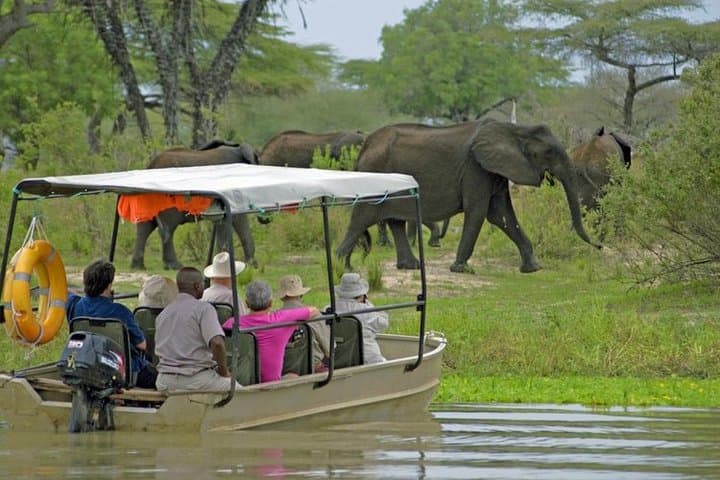
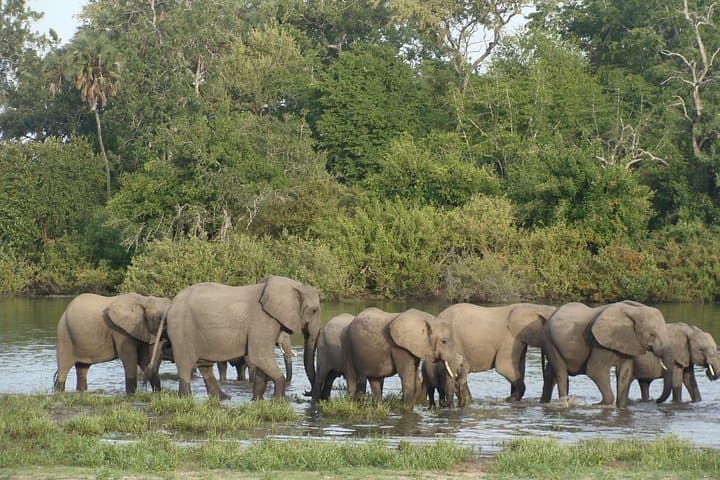
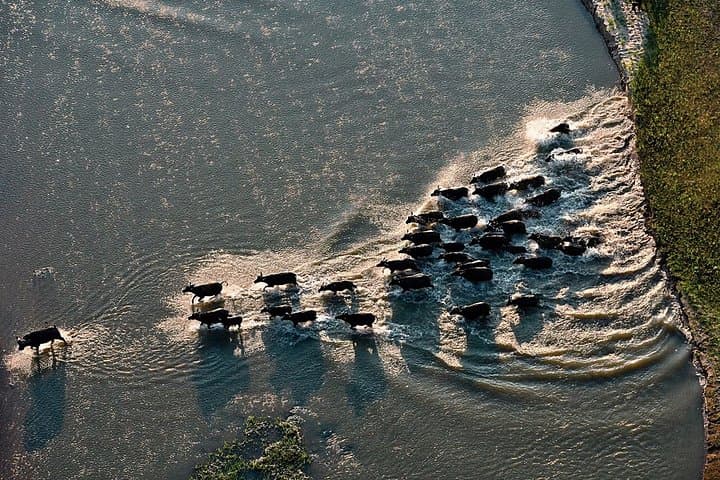
Dawn in Nyerere National Park arrives with a low, wide light that makes the Rufiji River look like a moving sheet of metal. You step from a shaded lodge veranda into a world where elephants cross the red tracks and hippos line the riverbanks, the water daring you to come closer while crocodiles watch, still as sun-warmed stones.
Verified experiences and guided adventures in the surrounding area.
Operated by Migration Venture Africa Ltd · Selous Game Reserve, Lindi Region
Dawn in Nyerere National Park arrives with a low, wide light that makes the Rufiji River look like a moving sheet of metal. You step from a shaded lodge veranda into a world where elephants cross the red tracks and hippos line the riverbanks, the water daring you to come closer while crocodiles watch, still as sun-warmed stones.
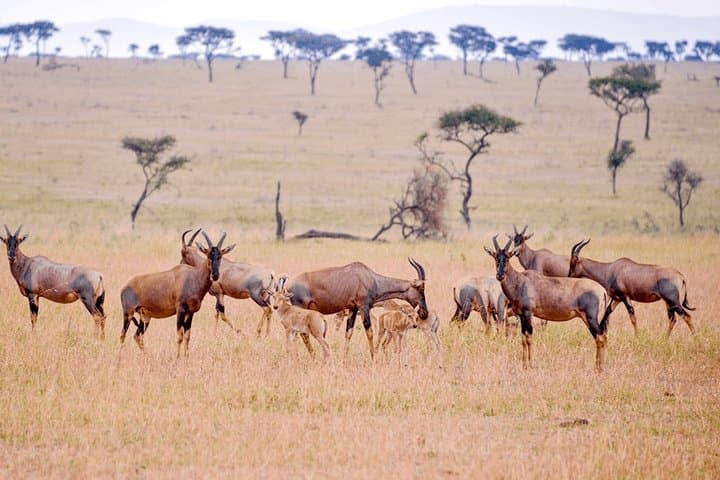
This three-day lodge safari follows a pattern established by decades of East African wildlife touring: long drives through miombo woodlands, a boat safari that opens vistas along the Rufiji and its channels, and a morning walking safari escorted by armed rangers. Geologically the landscape is shaped by alluvial plains and river-carved channels; ecologically it supports large mammals—elephant, buffalo, lion—and a dense bird list.
Locally, communities around the park are rural and often linked to riverine fishing and small-scale farming; the park itself was renamed Nyerere National Park in 2019 to honor Tanzania’s first president and to consolidate protection across the former Selous.
Practical guidance: expect dusty roads and heat by midday; mornings and late afternoons are best for game viewing. Pack long sleeves and sturdy shoes for the walking safari—rangers brief groups on safety and situational awareness. Hydration and sun protection are essential; binoculars and a camera with a modest zoom make close sightings more rewarding. Transfers from Dar es Salaam take roughly five hours each way, so plan arrival and departure times accordingly. This itinerary balances relaxed lodge comfort with active wildlife time—ideal for travelers who want immersive, responsibly run safari days without heavy trekking.
moderate.
3 days (approx. 72 hours).
Light to moderate fitness: mostly vehicle-based with one short, escorted bush walk; able to climb in/out of safari vehicles and walk 1–3 miles.
Most itineraries include a private road transfer of about five hours; some operators offer flight options—confirm pickup location and transfer time when booking.
You can expect elephants, buffalo and lions commonly; leopard and rhino are rare—sightings aren’t guaranteed but the park supports large concentrations of mammals.
Yes—walking safaris are conducted by trained, armed rangers who brief groups on behavior and maintain safety protocols throughout the walk.
Options range from standard lodges to luxury tented camps; this tour lists lodge accommodation (Kituri Selous Camp) with meals included as specified.
The area formerly known as Selous Game Reserve was reorganized and renamed Nyerere National Park in 2019 to strengthen protection and honor Tanzania’s first president, Julius Nyerere.
The park faces pressures from poaching and development; choose operators that support anti-poaching efforts and follow low-impact tourism practices to minimize footprint.
Migration Venture Africa Ltd operates guided outdoor trips and adventures with an emphasis on safety, stewardship, and memorable experiences.
Dawn in Nyerere National Park arrives with a low, wide light that makes the Rufiji River look like a moving sheet of metal. You step from a shaded lodge veranda into a world where elephants cross the red tracks and hippos line the riverbanks, the water daring you to come closer while crocodiles watch, still as sun-warmed stones.
Dawn in Nyerere National Park arrives with a low, wide light that makes the Rufiji River look like a moving sheet of metal. You step from a shaded lodge veranda into a world where elephants cross the red tracks and hippos line the riverbanks, the water daring you to come closer while crocodiles watch, still as sun-warmed stones.
This three-day lodge safari follows a pattern established by decades of East African wildlife touring: long drives through miombo woodlands, a boat safari that opens vistas along the Rufiji and its channels, and a morning walking safari escorted by armed rangers. Geologically the landscape is shaped by alluvial plains and river-carved channels; ecologically it supports large mammals—elephant, buffalo, lion—and a dense bird list.
Locally, communities around the park are rural and often linked to riverine fishing and small-scale farming; the park itself was renamed Nyerere National Park in 2019 to honor Tanzania’s first president and to consolidate protection across the former Selous.
Practical guidance: expect dusty roads and heat by midday; mornings and late afternoons are best for game viewing. Pack long sleeves and sturdy shoes for the walking safari—rangers brief groups on safety and situational awareness. Hydration and sun protection are essential; binoculars and a camera with a modest zoom make close sightings more rewarding. Transfers from Dar es Salaam take roughly five hours each way, so plan arrival and departure times accordingly. This itinerary balances relaxed lodge comfort with active wildlife time—ideal for travelers who want immersive, responsibly run safari days without heavy trekking.