THE ADVENTURE COLLECTIVE® · Independent discovery and booking for outdoor travel

Spend three nights based out of Whitehorse with two dedicated aurora viewings from heated log cabins. Combine northern lights hunts with optional winter activities like dog sledding and ice fishing while learning local history and geology.
Spend three nights based out of Whitehorse with two dedicated aurora viewings from heated log cabins. Combine northern lights hunts with optional winter activities like dog sledding and ice fishing while learning local history and geology.
The sky over Whitehorse is a clean black sheet punctured by stars; on the nights the aurora comes alive it feels as if the sky itself is moving, ribbons of green and occasional red folding and unfolding above the Yukon River. You leave the city lights behind for a heated log cabin, hot drinks, and a vigil in the cold air while guides scan the horizon and radio updates from aurora forecasts.
Verified experiences and guided adventures in the surrounding area.
Operated by Jupiter Legend Corporation · Whitehorse, Yukon
The sky over Whitehorse is a clean black sheet punctured by stars; on the nights the aurora comes alive it feels as if the sky itself is moving, ribbons of green and occasional red folding and unfolding above the Yukon River. You leave the city lights behind for a heated log cabin, hot drinks, and a vigil in the cold air while guides scan the horizon and radio updates from aurora forecasts.
Whitehorse sits on the Yukon River where steamship history from the Klondike Gold Rush meets contemporary First Nations culture and frontier crafts. The region’s geology — glacially carved valleys, rocky ridges and wide river flats — shapes where the aurora appears brightest, often along darker river corridors and higher ridgelines. Nearby Carcross and Miles Canyon add short daytime options: a small sand plain and basalt cliffs that reveal the land’s Pleistocene past.
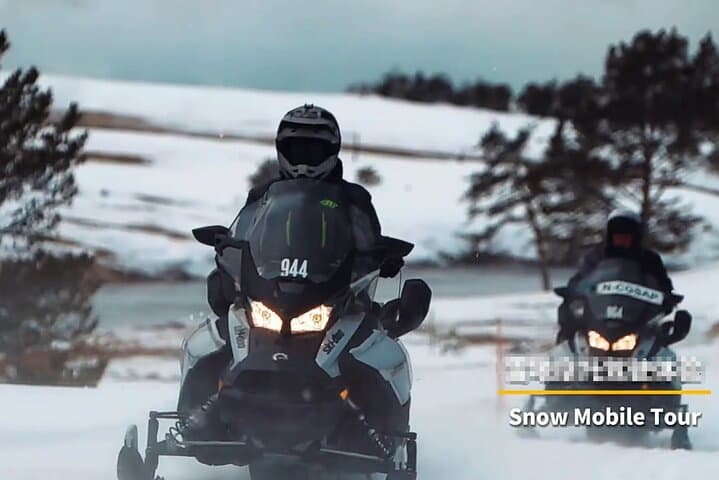
Practically speaking, this is a low-impact, low-strain trip that centers on night-time aurora chases with two dedicated viewing outings, hotel accommodations, and optional winter activities (dog sledding, ice fishing) at extra cost. Peak viewing runs late fall through early spring when long nights and cold, clear air favor visibility. Bring insulated layers, a tripod, spare batteries, and patience — aurora is a live natural event and sightings can’t be guaranteed.
Expect late departures around 10:00 p.m., heated waiting cabins with snacks, and the chance to combine cultural stops in Whitehorse with snow-season excursions. Plan travel time to/from Whitehorse (YXY) and allow an extra buffer for late-night returns and cold-weather logistics.
easy.
3 days (approx. 72 hours).
Suitable for most fitness levels; mainly seated transfers and short walks to viewing areas
Late fall through early spring (roughly September–April) offers the long, dark nights and clear, cold air that increase aurora visibility; the operator schedules viewings accordingly.
The tour includes two dedicated viewing attempts, improving chances, but the aurora is a natural phenomenon and cannot be guaranteed—clouds and solar activity both affect visibility.
Yes: the itinerary includes two nights’ hotel accommodations and bus transfer to the viewing cabin; optional daytime activities are extra and subject to seasonality.
Yes—these activities are offered at additional cost on select days during the snow season (typically mid-November through early April) and depend on weather and availability.
Whitehorse grew around the Yukon River steamship route and the Klondike Gold Rush; the area also has deep First Nations connections reflected in local crafts and place names.
Light-pollution management and leave-no-trace practices are important for aurora areas—stay on designated roads, pack out waste, and avoid disturbing wildlife during night excursions.
Jupiter Legend Corporation operates guided outdoor trips and adventures with an emphasis on safety, stewardship, and memorable experiences.
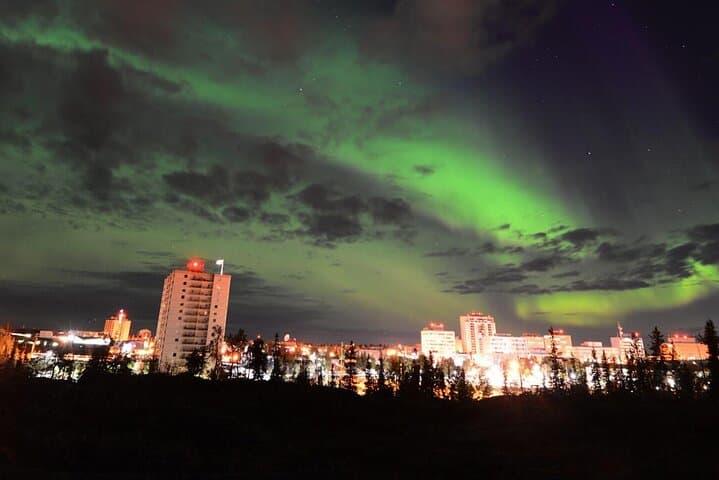
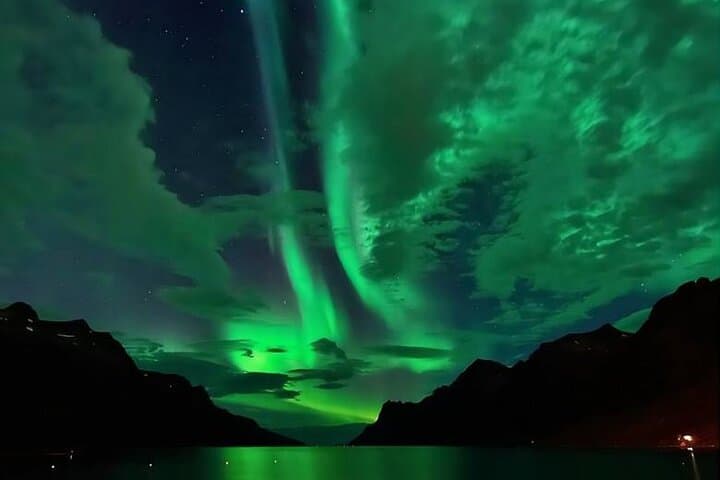
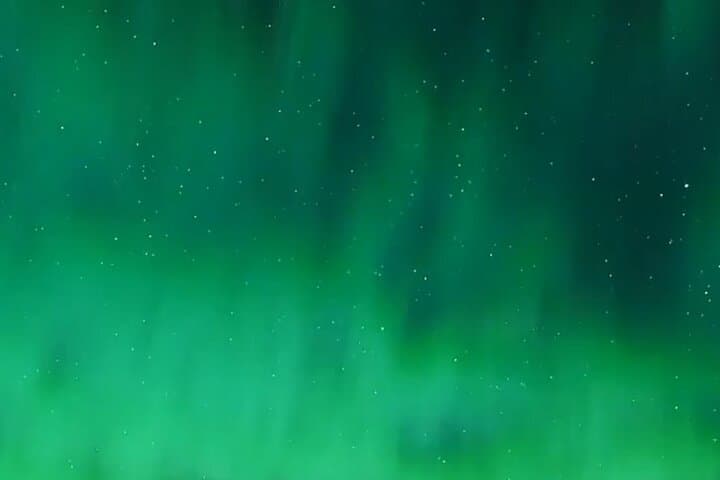
The sky over Whitehorse is a clean black sheet punctured by stars; on the nights the aurora comes alive it feels as if the sky itself is moving, ribbons of green and occasional red folding and unfolding above the Yukon River. You leave the city lights behind for a heated log cabin, hot drinks, and a vigil in the cold air while guides scan the horizon and radio updates from aurora forecasts.
The sky over Whitehorse is a clean black sheet punctured by stars; on the nights the aurora comes alive it feels as if the sky itself is moving, ribbons of green and occasional red folding and unfolding above the Yukon River. You leave the city lights behind for a heated log cabin, hot drinks, and a vigil in the cold air while guides scan the horizon and radio updates from aurora forecasts.
Whitehorse sits on the Yukon River where steamship history from the Klondike Gold Rush meets contemporary First Nations culture and frontier crafts. The region’s geology — glacially carved valleys, rocky ridges and wide river flats — shapes where the aurora appears brightest, often along darker river corridors and higher ridgelines. Nearby Carcross and Miles Canyon add short daytime options: a small sand plain and basalt cliffs that reveal the land’s Pleistocene past.
Practically speaking, this is a low-impact, low-strain trip that centers on night-time aurora chases with two dedicated viewing outings, hotel accommodations, and optional winter activities (dog sledding, ice fishing) at extra cost. Peak viewing runs late fall through early spring when long nights and cold, clear air favor visibility. Bring insulated layers, a tripod, spare batteries, and patience — aurora is a live natural event and sightings can’t be guaranteed.
Expect late departures around 10:00 p.m., heated waiting cabins with snacks, and the chance to combine cultural stops in Whitehorse with snow-season excursions. Plan travel time to/from Whitehorse (YXY) and allow an extra buffer for late-night returns and cold-weather logistics.