THE ADVENTURE COLLECTIVE® · Independent discovery and booking for outdoor travel

A compact, private three-day circuit from Tangier that links Cap Spartel and the Caves of Hercules with the Roman ruins of Volubilis, the labyrinthine medina of Fes, and the blue alleys of Chefchaouen. Ideal for travelers who want a focused cultural and scenic introduction to northern Morocco.
A compact, private three-day circuit from Tangier that links Cap Spartel and the Caves of Hercules with the Roman ruins of Volubilis, the labyrinthine medina of Fes, and the blue alleys of Chefchaouen. Ideal for travelers who want a focused cultural and scenic introduction to northern Morocco.
You step out of Tangier’s port air and into a mosaic of coast, kasbahs and mountain-blue alleys. The first morning delivers the sharp meeting of Mediterranean and Atlantic at Cap Spartel, then the salt-scented wind guides you to the Caves of Hercules where the sea has carved an arch like a stone window to the ocean.
Verified experiences and guided adventures in the surrounding area.
Operated by Fit transport · Tangier, Tangier-Tétouan-Al Hoceïma
You step out of Tangier’s port air and into a mosaic of coast, kasbahs and mountain-blue alleys. The first morning delivers the sharp meeting of Mediterranean and Atlantic at Cap Spartel, then the salt-scented wind guides you to the Caves of Hercules where the sea has carved an arch like a stone window to the ocean.
Across the three days the route stitches Roman ruins, imperial medinas and Rif Mountain villages: Volubilis’ mosaic floors and Roman columns, Fes’ winding medina with its dye pits and madrassas, and the cobalt-painted lanes of Chefchaouen clinging to a green mountain slope. Geologically the region shifts from coastal limestone and cliffs to the metamorphic foothills of the Rif; culturally it is a crossroads shaped by Roman, Andalusi and Islamic layers visible in architecture, food and craft.
Practicalities are straightforward: private, air-conditioned transfers move you between sites and two breakfasts are included; overnight stays in traditional riads put you inside the medina fabric. Expect several hours of guided walking each day on uneven cobbles and narrow alleys, and brief hikes or viewpoints in Chefchaouen for panoramic photos.
Plan for variable microclimates—coastal wind and cool mountain evenings—carry cash for small purchases, wear sturdy shoes for cobbles, and allow time to linger in souks. Local guides add context to tanneries and kasbahs, and respectful dress helps interactions in conservative neighborhoods. The itinerary compresses the region’s highlights into three active days, perfect for travelers who want concentrated cultural immersion without logistics hassles.
moderate.
3 days (approx. 72 hours).
Good walking fitness for several hours per day on uneven surfaces and some short climbs; suitable for most travelers who are comfortable on foot.
This is a private tour with dedicated transportation and a local guide, available for single-group bookings.
The itinerary notes admissions where applicable; clarify specifics with the operator—some site fees may be included while others are paid locally.
Expect several hours of guided walking daily across medinas, archaeological sites and viewpoints; walking pace is moderate with frequent stops.
The operator lists wheelchair-accessible transportation and can accommodate dietary requests if notified during booking; confirm special needs in advance.
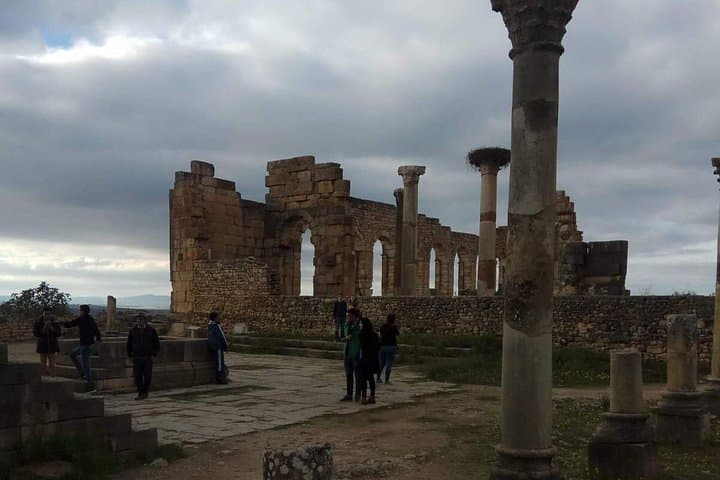
Northern Morocco has been shaped by Phoenician, Roman and Andalusi influences; Volubilis preserves one of the best Roman archaeological sites in northwest Africa.
Touring sustainably means sticking to marked paths in archaeological sites, minimizing plastic use, and supporting local artisans to help preserve traditional crafts.
Fit transport operates guided outdoor trips and adventures with an emphasis on safety, stewardship, and memorable experiences.
You step out of Tangier’s port air and into a mosaic of coast, kasbahs and mountain-blue alleys. The first morning delivers the sharp meeting of Mediterranean and Atlantic at Cap Spartel, then the salt-scented wind guides you to the Caves of Hercules where the sea has carved an arch like a stone window to the ocean.
You step out of Tangier’s port air and into a mosaic of coast, kasbahs and mountain-blue alleys. The first morning delivers the sharp meeting of Mediterranean and Atlantic at Cap Spartel, then the salt-scented wind guides you to the Caves of Hercules where the sea has carved an arch like a stone window to the ocean.
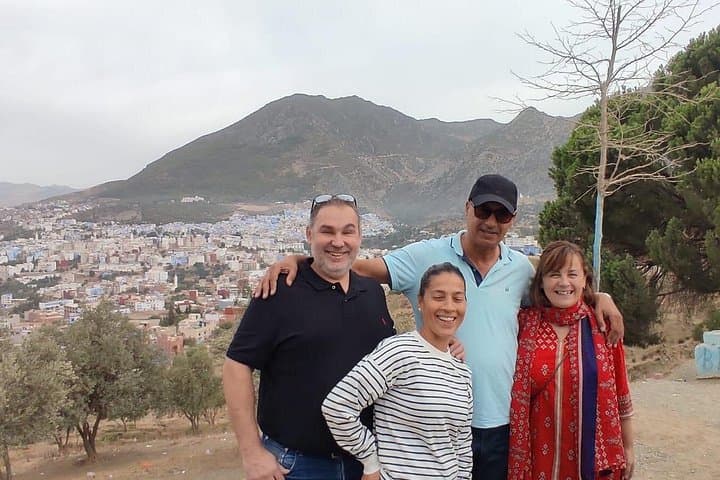
Across the three days the route stitches Roman ruins, imperial medinas and Rif Mountain villages: Volubilis’ mosaic floors and Roman columns, Fes’ winding medina with its dye pits and madrassas, and the cobalt-painted lanes of Chefchaouen clinging to a green mountain slope. Geologically the region shifts from coastal limestone and cliffs to the metamorphic foothills of the Rif; culturally it is a crossroads shaped by Roman, Andalusi and Islamic layers visible in architecture, food and craft.
Practicalities are straightforward: private, air-conditioned transfers move you between sites and two breakfasts are included; overnight stays in traditional riads put you inside the medina fabric. Expect several hours of guided walking each day on uneven cobbles and narrow alleys, and brief hikes or viewpoints in Chefchaouen for panoramic photos.
Plan for variable microclimates—coastal wind and cool mountain evenings—carry cash for small purchases, wear sturdy shoes for cobbles, and allow time to linger in souks. Local guides add context to tanneries and kasbahs, and respectful dress helps interactions in conservative neighborhoods. The itinerary compresses the region’s highlights into three active days, perfect for travelers who want concentrated cultural immersion without logistics hassles.