THE ADVENTURE COLLECTIVE® · Independent discovery and booking for outdoor travel

Live like a Mongolian herder for three days: set up a ger, milk animals, ride across open steppe, and sleep under unfiltered starlight. This hands-on program emphasizes traditional skills, minimal connectivity, and practical immersion in pastoral life.
Live like a Mongolian herder for three days: set up a ger, milk animals, ride across open steppe, and sleep under unfiltered starlight. This hands-on program emphasizes traditional skills, minimal connectivity, and practical immersion in pastoral life.
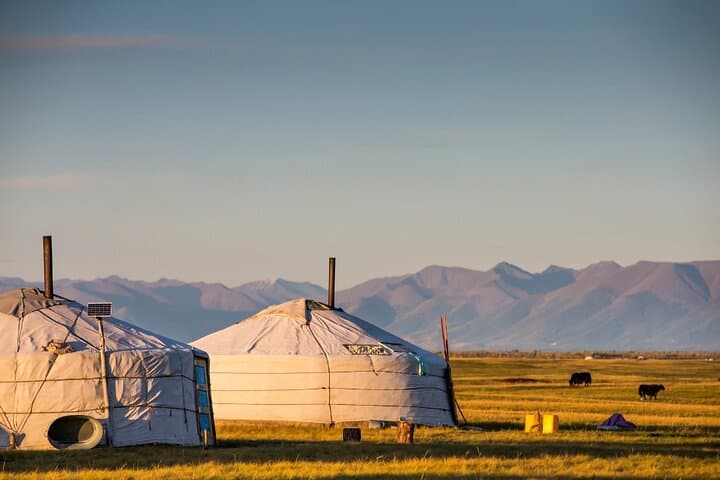
Dawn on the Mongolian steppe arrives as a broad, cool light that flattens distance and makes every fold of grass readable. On this three-day program, travelers trade pavement for a clay track and arrive at a ger camp where wind and sky set the schedule.
Verified experiences and guided adventures in the surrounding area.
Operated by Turu · Ulaanbaatar, Ulaanbaatar
Dawn on the Mongolian steppe arrives as a broad, cool light that flattens distance and makes every fold of grass readable. On this three-day program, travelers trade pavement for a clay track and arrive at a ger camp where wind and sky set the schedule.
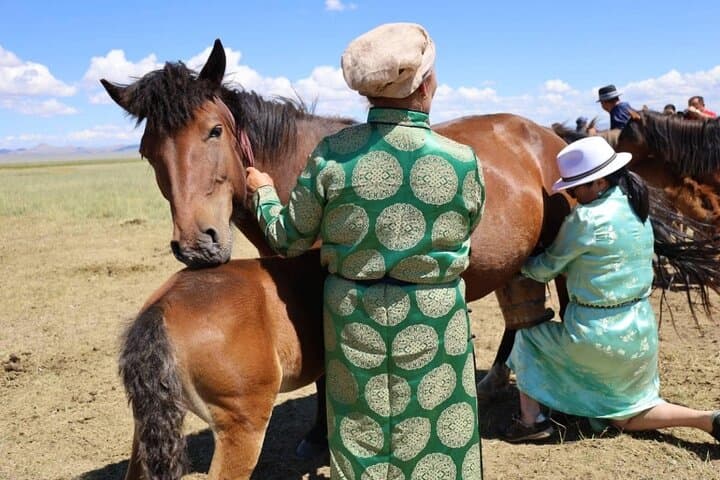
The central Asian steppe is geological lowland—rolling loess plains carved by wind and river—long used by pastoralists whose seasonal migrations date back millennia. Visitors will see practical archaeology in use: felt insulates the ger, dung fires heat water, and horse culture still shapes daily life. Culturally, hosts share milking, simple bread and meat dishes, and games like ankle bones and archery that teach local timing and temper.
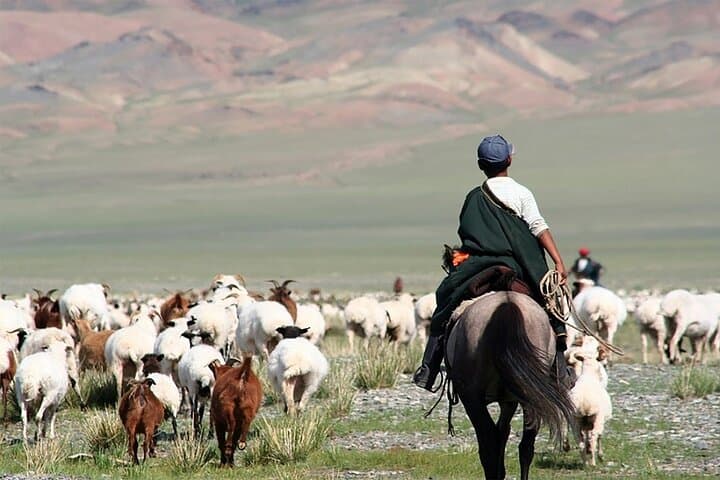
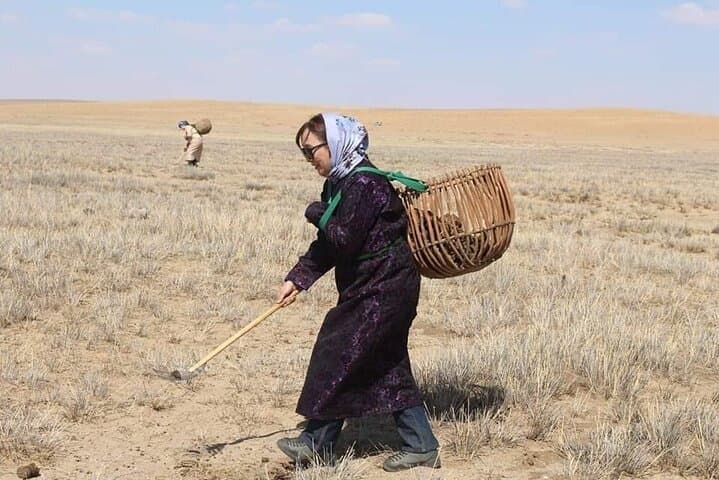
Days are hands-on: help assemble a ger, fetch water, prepare dung fuel, milk animals, and learn basic herding on foot or with guided horse rides. Nights are candle- or battery-lit, with starlight unmasked by city glow. The experience intentionally limits connectivity—expect minimal cell signal and solar lighting only.
Practical guidance: come physically prepared for uneven ground and variable weather—layers, waterproof boots, and a warm sleeping bag matter. Bring personal medications and hygiene supplies; modern bathrooms are not part of the stay. Hydrate frequently at altitude and eat conservatively if you’re sensitive to rich dairy and meat. Follow hosts’ safety briefings for horses and livestock, and keep a respectful distance from working animals. Pack a power bank, headlamp, and cash for small purchases or tips.
This is an immersive, low-impact taste of nomadic life—rough, instructive, and anchored in everyday survival skills rather than tourism performance.
moderate.
3 days.
Moderate fitness: comfortable with several hours of standing, walking on uneven ground, and short riding sessions.
No—expect non-plumbed toilet tents and camping showers; hosts manage water conservatively, so bring personal hygiene supplies.
No—meals are centered on dairy and meat and the program requires participation in animal-based tasks.
Yes—brief lessons and guided rides are provided, but disclose experience levels so guides can match suitable horses.
Minimal to no cell signal and limited solar electricity; emergency Wi‑Fi or signal access is available through the operator when required.
Nomadic pastoralism in Mongolia evolved over thousands of years; the ger’s portable design and herd migrations reflect survival strategies adapted to the steppe.
Small-group, low-impact stays help minimize pressure on pasture; follow hosts’ guidance on water use and avoid disturbing grazing patterns.
Turu operates guided outdoor trips and adventures with an emphasis on safety, stewardship, and memorable experiences.
Dawn on the Mongolian steppe arrives as a broad, cool light that flattens distance and makes every fold of grass readable. On this three-day program, travelers trade pavement for a clay track and arrive at a ger camp where wind and sky set the schedule.
Dawn on the Mongolian steppe arrives as a broad, cool light that flattens distance and makes every fold of grass readable. On this three-day program, travelers trade pavement for a clay track and arrive at a ger camp where wind and sky set the schedule.
The central Asian steppe is geological lowland—rolling loess plains carved by wind and river—long used by pastoralists whose seasonal migrations date back millennia. Visitors will see practical archaeology in use: felt insulates the ger, dung fires heat water, and horse culture still shapes daily life. Culturally, hosts share milking, simple bread and meat dishes, and games like ankle bones and archery that teach local timing and temper.
Days are hands-on: help assemble a ger, fetch water, prepare dung fuel, milk animals, and learn basic herding on foot or with guided horse rides. Nights are candle- or battery-lit, with starlight unmasked by city glow. The experience intentionally limits connectivity—expect minimal cell signal and solar lighting only.
Practical guidance: come physically prepared for uneven ground and variable weather—layers, waterproof boots, and a warm sleeping bag matter. Bring personal medications and hygiene supplies; modern bathrooms are not part of the stay. Hydrate frequently at altitude and eat conservatively if you’re sensitive to rich dairy and meat. Follow hosts’ safety briefings for horses and livestock, and keep a respectful distance from working animals. Pack a power bank, headlamp, and cash for small purchases or tips.
This is an immersive, low-impact taste of nomadic life—rough, instructive, and anchored in everyday survival skills rather than tourism performance.