THE ADVENTURE COLLECTIVE® · Independent discovery and booking for outdoor travel

Three days from Marrakech to the Zagora sands offer cinematic kasbahs, High Atlas views, and a camel-led night under the Sahara stars. Expect long drives, simple desert camps, and sunrise views that reward early mornings.
Three days from Marrakech to the Zagora sands offer cinematic kasbahs, High Atlas views, and a camel-led night under the Sahara stars. Expect long drives, simple desert camps, and sunrise views that reward early mornings.
You leave Marrakech before dawn, the city’s ochre walls shrinking as the Atlas range grows taller and rawer on the horizon.
Verified experiences and guided adventures in the surrounding area.
Operated by JD Morocco Tours, Sarl · Zagora, Drâa-Tafilalet
You leave Marrakech before dawn, the city’s ochre walls shrinking as the Atlas range grows taller and rawer on the horizon.
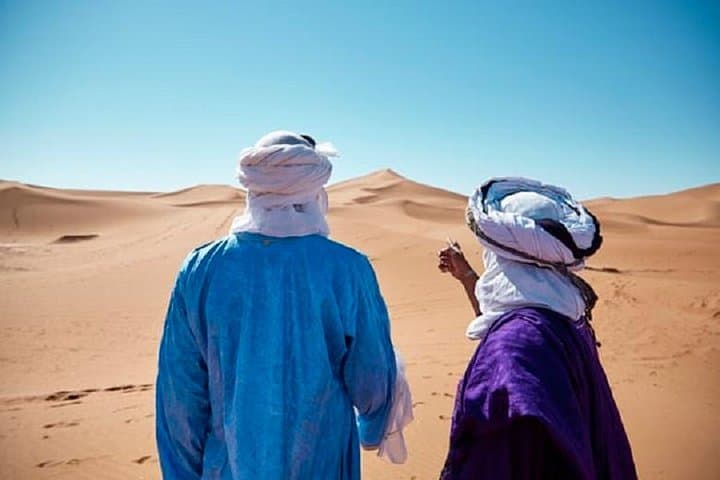
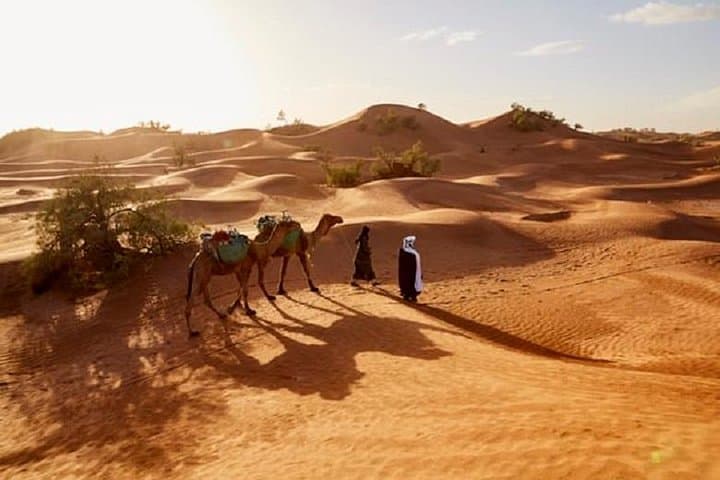
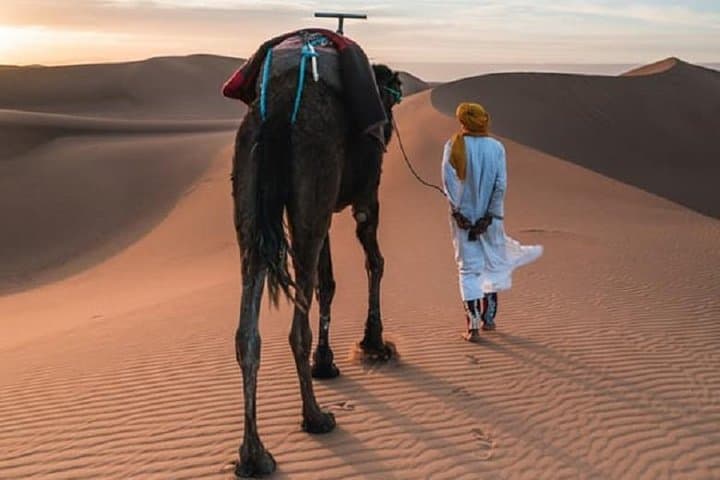
By late afternoon the road has thinned to desert light; the dunes of Erg Lihoudi rise and shift with a wind that seems to dare you to keep moving. At camp, a single lantern glows while a small fire pushes back the cold. Nights are vast—stars so close you can almost touch them—while the camel caravan becomes your slow-motion highway across centuries of trade routes.
This route threads Tizi n’Tichka and the High Atlas foothills, then drops into the Draa Valley, where palm groves and mud-brick kasbahs like Ait Ben Haddou mark centuries of caravan traffic and cinematic set pieces. Geologically the region is folded Paleozoic and Mesozoic layers exposed by uplift; the Sahara here is a working landscape of wind-sculpted sand and stony hammada punctuated by seasonal riverbeds.
Culturally, expect Berber hospitality: mint tea rituals, shared tagines, and tented nights in traditional camps run by local families who preserve nomad skills for visitors.
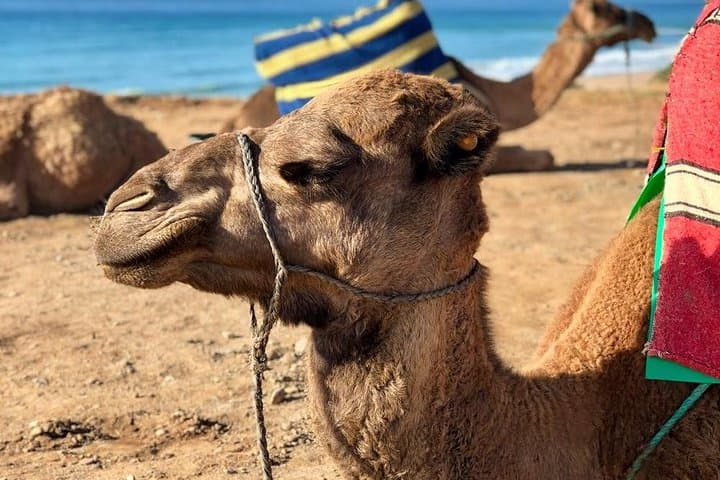
Practical guidance: plan for long drives (several hours between stops), a one-hour camel ride into camp, and simple sleeping on mattress and blankets inside communal tents. Bring sun protection, layered clothing for sharp diurnal swings, and a refillable water bottle. Timing matters—sunrise on the dunes and sunset from camelback are the trip’s highlights—so set your camera ready and your expectations realistic: this is slow travel across shifting terrain, not a luxury hotel break.
moderate.
3 days.
Suitable for travelers with basic fitness: able to mount a camel, walk short sand slopes, and tolerate multi-hour drives.
Camel rides are typically about 45–60 minutes and low-impact; short walks on sand are optional and gentle—basic mobility is sufficient.
The listed price reflects 3-star hotels for overnight stays outside the desert and traditional Berber tents or camps for desert nights; upgrades can often be arranged.
Yes—children can join but infants may be required to sit on a guardian’s lap during transport; check age restrictions with the operator for camel and tent arrangements.
Autumn and spring offer the most comfortable temperatures; summer can be extremely hot during daytime, while winter nights are much colder.
This corridor follows ancient Saharan caravan routes; Ait Ben Haddou dates to the 17th century and served as a fortified trading stop and film backdrop.
Water is scarce and dunes are ecologically sensitive—use refillable bottles, avoid disturbing vegetation, and follow camp guidelines to minimize impact.
JD Morocco Tours, Sarl operates guided outdoor trips and adventures with an emphasis on safety, stewardship, and memorable experiences.
You leave Marrakech before dawn, the city’s ochre walls shrinking as the Atlas range grows taller and rawer on the horizon.
You leave Marrakech before dawn, the city’s ochre walls shrinking as the Atlas range grows taller and rawer on the horizon.
By late afternoon the road has thinned to desert light; the dunes of Erg Lihoudi rise and shift with a wind that seems to dare you to keep moving. At camp, a single lantern glows while a small fire pushes back the cold. Nights are vast—stars so close you can almost touch them—while the camel caravan becomes your slow-motion highway across centuries of trade routes.
This route threads Tizi n’Tichka and the High Atlas foothills, then drops into the Draa Valley, where palm groves and mud-brick kasbahs like Ait Ben Haddou mark centuries of caravan traffic and cinematic set pieces. Geologically the region is folded Paleozoic and Mesozoic layers exposed by uplift; the Sahara here is a working landscape of wind-sculpted sand and stony hammada punctuated by seasonal riverbeds.
Culturally, expect Berber hospitality: mint tea rituals, shared tagines, and tented nights in traditional camps run by local families who preserve nomad skills for visitors.
Practical guidance: plan for long drives (several hours between stops), a one-hour camel ride into camp, and simple sleeping on mattress and blankets inside communal tents. Bring sun protection, layered clothing for sharp diurnal swings, and a refillable water bottle. Timing matters—sunrise on the dunes and sunset from camelback are the trip’s highlights—so set your camera ready and your expectations realistic: this is slow travel across shifting terrain, not a luxury hotel break.