THE ADVENTURE COLLECTIVE® · Independent discovery and booking for outdoor travel

Three days of concentrated safari takes you from Tarangire’s elephant herds to flamingo‑lined Lake Manyara and into Ngorongoro’s crater bowl. Early starts, pop‑up 4x4 game drives, and guided walks combine to maximize big‑game and bird encounters.
Three days of concentrated safari takes you from Tarangire’s elephant herds to flamingo‑lined Lake Manyara and into Ngorongoro’s crater bowl. Early starts, pop‑up 4x4 game drives, and guided walks combine to maximize big‑game and bird encounters.
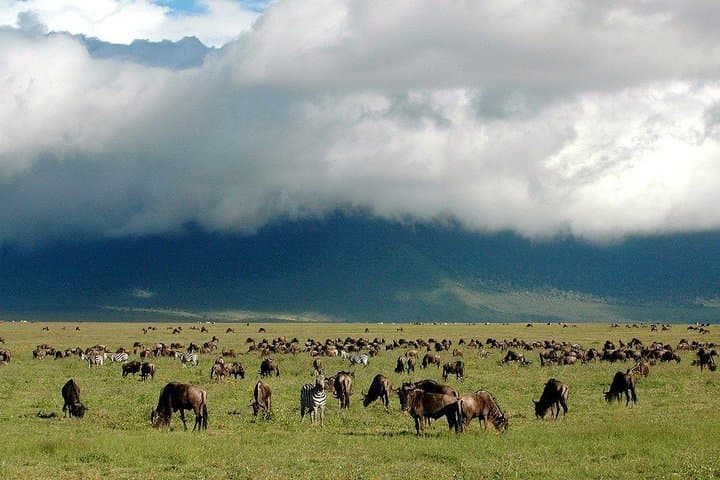
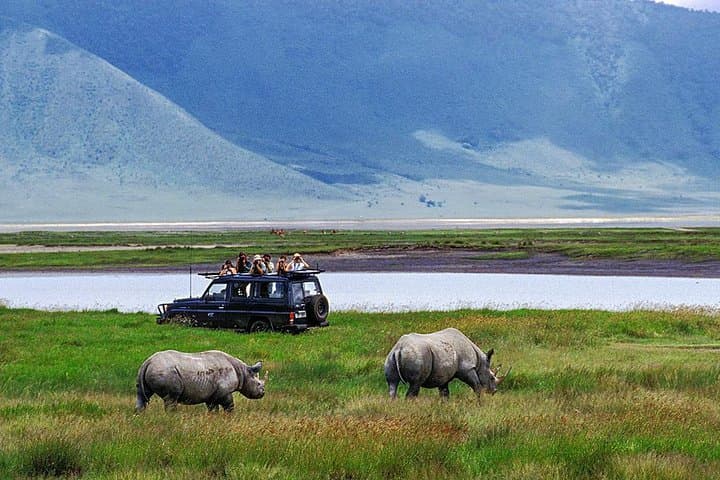
Dawn pulls a cool veil over the African plain as the pop‑up roof of the safari jeep opens and the first silhouettes of acacia and baobab sharpen against the light. Over three days travelers move from the river‑lined thickets of Tarangire to the bird‑saturated shallows of Lake Manyara and finally down into the bowl of the Ngorongoro Crater, where volcanic soil concentrates game in a single, dramatic amphitheater.
Verified experiences and guided adventures in the surrounding area.
Operated by Serengeti Safari Booking · Arusha, Arusha Region
Dawn pulls a cool veil over the African plain as the pop‑up roof of the safari jeep opens and the first silhouettes of acacia and baobab sharpen against the light. Over three days travelers move from the river‑lined thickets of Tarangire to the bird‑saturated shallows of Lake Manyara and finally down into the bowl of the Ngorongoro Crater, where volcanic soil concentrates game in a single, dramatic amphitheater.
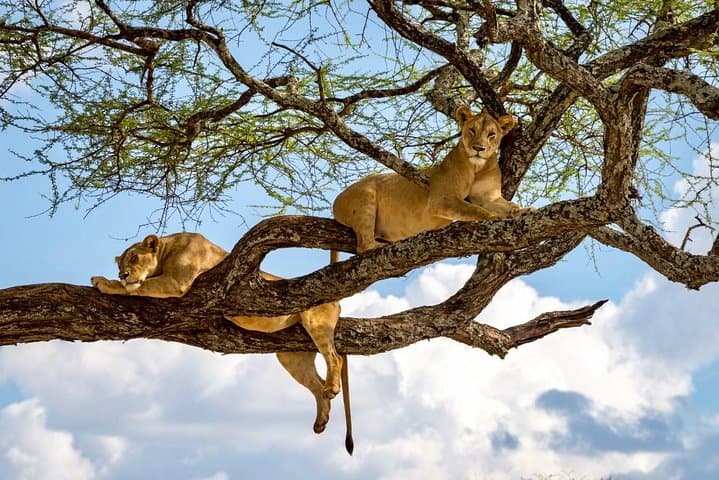
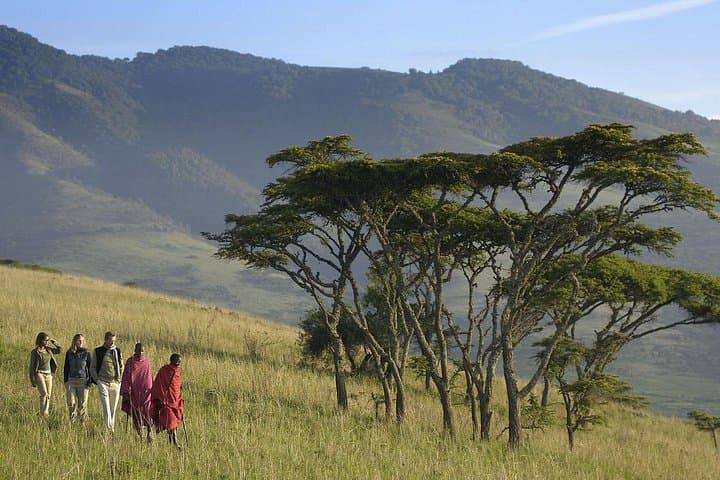
These landscapes are geological and cultural chapters of northern Tanzania: Tarangire’s sandy plains and baobabs shelter one of the densest elephant populations outside the Serengeti; Lake Manyara’s soda flats and underground‑water forests support hundreds of bird species and tree‑climbing lions; Ngorongoro’s collapsed volcanic caldera preserves ancient soils that attracted hominid researchers Mary and Louis Leakey. Maasai bomas and pastoralism remain visible at the crater rim, offering simple cultural context to the wildlife spectacle below.
Practically, expect early starts, long light‑bumpy drives between parks, and guided game drives from a pop‑up 4x4 with picnic lunches and three nights’ lodging included. Optimal viewing is morning and late afternoon; noon brings heat and quieter animals. Bring neutral clothing, a sun hat, and a pair of binoculars; keep cameras ready and voices low when near megafauna. Respect park rules, follow guide instructions, and carry water — heat and dust are constant companions. For first‑time safari goers, this compact loop delivers a high likelihood of Big Five sightings and a rounded introduction to East African savanna ecology.
moderate.
3 days.
Light‑moderate—suitable for most people who can handle early mornings, vehicle rides, and short guided walks.
Yes—entry fees for Tarangire, Lake Manyara and Ngorongoro Crater are included in this tour price.
Options include camping, mid‑range lodges, or similar accommodations based on booking; three nights’ accommodation is included.
This is a joined‑group safari with up to six travelers per vehicle, ideal for solo travelers who want to share costs.
Three breakfasts, lunches and dinners are included along with drinking water and some beverages; bring personal snacks if desired.
Ngorongoro’s caldera formed from a volcanic collapse roughly 2–3 million years ago and the area is linked to key paleoanthropological discoveries by the Leakeys.
Parks balance tourism with Maasai pastoralism and conservation fees support anti‑poaching and community programs; visitors should minimize waste and stay on designated roads.
Serengeti Safari Booking operates guided outdoor trips and adventures with an emphasis on safety, stewardship, and memorable experiences.
Dawn pulls a cool veil over the African plain as the pop‑up roof of the safari jeep opens and the first silhouettes of acacia and baobab sharpen against the light. Over three days travelers move from the river‑lined thickets of Tarangire to the bird‑saturated shallows of Lake Manyara and finally down into the bowl of the Ngorongoro Crater, where volcanic soil concentrates game in a single, dramatic amphitheater.
Dawn pulls a cool veil over the African plain as the pop‑up roof of the safari jeep opens and the first silhouettes of acacia and baobab sharpen against the light. Over three days travelers move from the river‑lined thickets of Tarangire to the bird‑saturated shallows of Lake Manyara and finally down into the bowl of the Ngorongoro Crater, where volcanic soil concentrates game in a single, dramatic amphitheater.
These landscapes are geological and cultural chapters of northern Tanzania: Tarangire’s sandy plains and baobabs shelter one of the densest elephant populations outside the Serengeti; Lake Manyara’s soda flats and underground‑water forests support hundreds of bird species and tree‑climbing lions; Ngorongoro’s collapsed volcanic caldera preserves ancient soils that attracted hominid researchers Mary and Louis Leakey. Maasai bomas and pastoralism remain visible at the crater rim, offering simple cultural context to the wildlife spectacle below.
Practically, expect early starts, long light‑bumpy drives between parks, and guided game drives from a pop‑up 4x4 with picnic lunches and three nights’ lodging included. Optimal viewing is morning and late afternoon; noon brings heat and quieter animals. Bring neutral clothing, a sun hat, and a pair of binoculars; keep cameras ready and voices low when near megafauna. Respect park rules, follow guide instructions, and carry water — heat and dust are constant companions. For first‑time safari goers, this compact loop delivers a high likelihood of Big Five sightings and a rounded introduction to East African savanna ecology.