THE ADVENTURE COLLECTIVE® · Independent discovery and booking for outdoor travel

Track rhinos on foot at Ziwa, watch elephants and lions across open savanna, and take a boat to the thunderous base of Murchison Falls. This three‑day itinerary pairs dramatic river geology with big‑game viewing and river wildlife viewing.
Track rhinos on foot at Ziwa, watch elephants and lions across open savanna, and take a boat to the thunderous base of Murchison Falls. This three‑day itinerary pairs dramatic river geology with big‑game viewing and river wildlife viewing.
The Nile narrows into a throat of stone and water, forcing itself through a 43‑meter drop that throws a spray of light across the escarpment—this is Murchison Falls. On the first morning you’ll cross fertile farmland from Entebbe, arriving at Ziwa Rhino Sanctuary to track white rhinos on foot under the watchful guidance of rangers. The land here alternates between riparian forest, tall savanna grass, and rocky gorge; the river seems to dare you closer as it bends toward Lake Albert.
Verified experiences and guided adventures in the surrounding area.
Operated by Kafu Safaris · Masindi, Western Region
The Nile narrows into a throat of stone and water, forcing itself through a 43‑meter drop that throws a spray of light across the escarpment—this is Murchison Falls. On the first morning you’ll cross fertile farmland from Entebbe, arriving at Ziwa Rhino Sanctuary to track white rhinos on foot under the watchful guidance of rangers. The land here alternates between riparian forest, tall savanna grass, and rocky gorge; the river seems to dare you closer as it bends toward Lake Albert.
Murchison Falls National Park, created in the mid‑20th century, sits where the Victoria Nile slices the Rift Valley floor. The falls and surrounding floodplains have shaped local Bunyoro culture and historic trade routes; Masindi grew as the nearest market town. Geologically the gorge is a narrow breach in the rift escarpment, exposing volcanic and sedimentary layers and creating concentrated rapids where the Nile squeezes through.
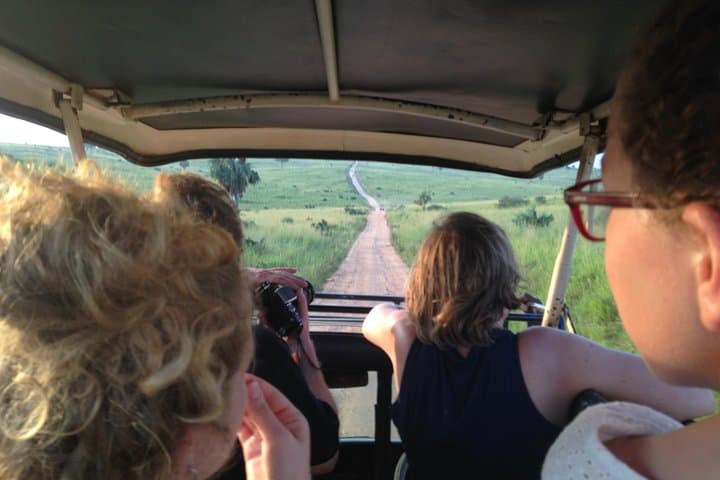
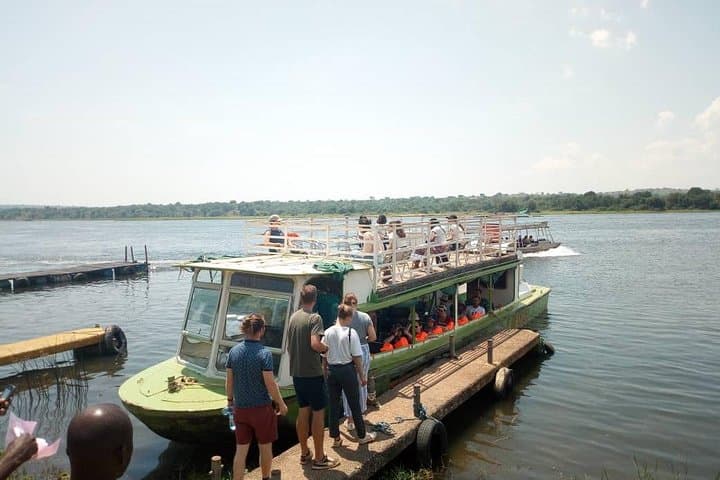
Expect morning game drives when predators and grazers concentrate near water, and an afternoon boat cruise upstream toward the base of the falls where hippos and crocodiles are most visible. Terrain is mostly flat to undulating at roughly 600–800 m elevation with short on‑foot hikes for rhino tracking (2–3 hours). Roads are rough—prepare for long drives with stops; the Entebbe–Murchison transfer is often 5–6 hours total including the Ziwa stop.
Practical tips: travel in the dry season for the best visibility, bring layers for cool mornings, use insect repellent, and carry binoculars and a refillable water bottle. The experience mixes close wildlife encounters with broad river scenery—an active, accessible safari that rewards patience and observation.
moderate.
3 days.
Suitable for travelers with average fitness; able to manage short hikes of 2–3 hours and tolerate long vehicle drives
Plan for roughly 5–6 hours total with a stop at Ziwa Rhino Sanctuary; road conditions and stops can extend the transfer.
Yes—Ziwa Rhino Sanctuary is Uganda’s managed site for rhino viewing and this itinerary includes guided foot tracking with a good chance of sightings.
This package lists park entrance and boat cruise fees as included; confirm exact inclusions at booking and carry some local currency for extras.
The dry season (roughly June–August and December–February) concentrates animals at water sources and generally offers the clearest viewing conditions.
Murchison Falls Park was established in the 1950s; the falls have long defined trade and settlement patterns for Bunyoro communities along the Nile.
Ziwa Rhino Sanctuary is a key local reintroduction project for white rhinos; visitors help fund anti‑poaching and habitat protection through park fees.
Kafu Safaris operates guided outdoor trips and adventures with an emphasis on safety, stewardship, and memorable experiences.
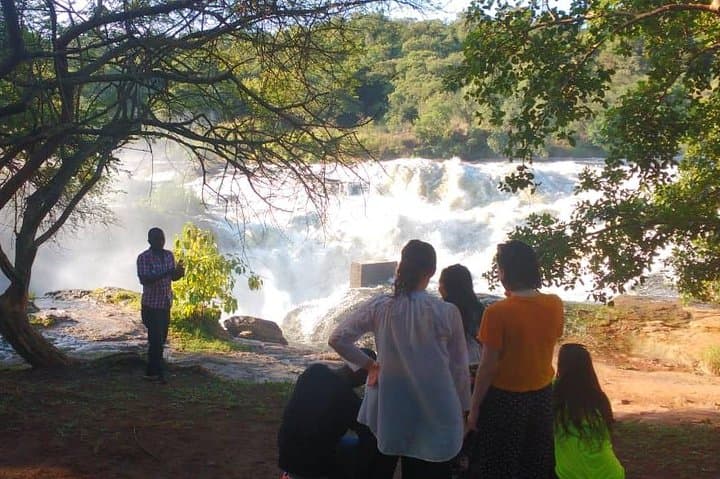
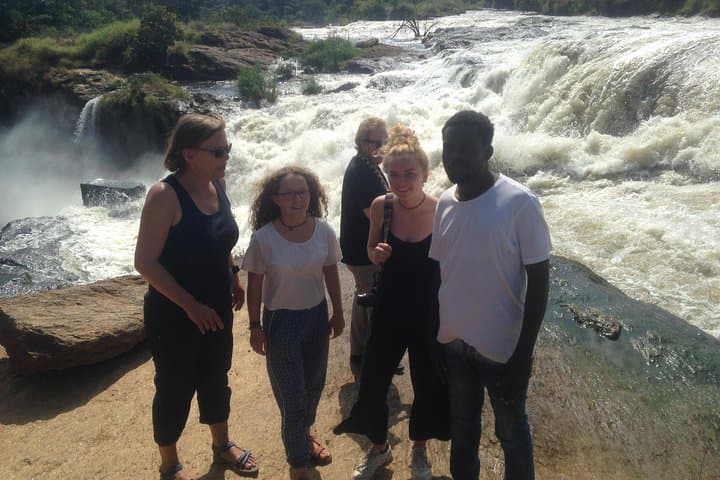
The Nile narrows into a throat of stone and water, forcing itself through a 43‑meter drop that throws a spray of light across the escarpment—this is Murchison Falls. On the first morning you’ll cross fertile farmland from Entebbe, arriving at Ziwa Rhino Sanctuary to track white rhinos on foot under the watchful guidance of rangers. The land here alternates between riparian forest, tall savanna grass, and rocky gorge; the river seems to dare you closer as it bends toward Lake Albert.
The Nile narrows into a throat of stone and water, forcing itself through a 43‑meter drop that throws a spray of light across the escarpment—this is Murchison Falls. On the first morning you’ll cross fertile farmland from Entebbe, arriving at Ziwa Rhino Sanctuary to track white rhinos on foot under the watchful guidance of rangers. The land here alternates between riparian forest, tall savanna grass, and rocky gorge; the river seems to dare you closer as it bends toward Lake Albert.
Murchison Falls National Park, created in the mid‑20th century, sits where the Victoria Nile slices the Rift Valley floor. The falls and surrounding floodplains have shaped local Bunyoro culture and historic trade routes; Masindi grew as the nearest market town. Geologically the gorge is a narrow breach in the rift escarpment, exposing volcanic and sedimentary layers and creating concentrated rapids where the Nile squeezes through.
Expect morning game drives when predators and grazers concentrate near water, and an afternoon boat cruise upstream toward the base of the falls where hippos and crocodiles are most visible. Terrain is mostly flat to undulating at roughly 600–800 m elevation with short on‑foot hikes for rhino tracking (2–3 hours). Roads are rough—prepare for long drives with stops; the Entebbe–Murchison transfer is often 5–6 hours total including the Ziwa stop.
Practical tips: travel in the dry season for the best visibility, bring layers for cool mornings, use insect repellent, and carry binoculars and a refillable water bottle. The experience mixes close wildlife encounters with broad river scenery—an active, accessible safari that rewards patience and observation.