THE ADVENTURE COLLECTIVE® · Independent discovery and booking for outdoor travel

Three days of classic Sapa trekking through Muong Hoa’s rice terraces, village homestays and bamboo forests. Expect moderate hikes, cultural immersion with Black Hmong and Giay communities, and varied trail conditions—best prepared with waterproofs and solid footwear.
Three days of classic Sapa trekking through Muong Hoa’s rice terraces, village homestays and bamboo forests. Expect moderate hikes, cultural immersion with Black Hmong and Giay communities, and varied trail conditions—best prepared with waterproofs and solid footwear.
Morning mist peels back across carved rice terraces as you step from Sapa’s narrow, cobbled streets onto a trail that climbs into the Hoang Lien range. The valley opens in tiers below you — green fields folding like steps — while children and water buffalo move through irrigation channels that have shaped this landscape for generations.
Verified experiences and guided adventures in the surrounding area.
Operated by Asia Travel Links · Sapa, Lao Cai
Morning mist peels back across carved rice terraces as you step from Sapa’s narrow, cobbled streets onto a trail that climbs into the Hoang Lien range. The valley opens in tiers below you — green fields folding like steps — while children and water buffalo move through irrigation channels that have shaped this landscape for generations.
Geology here is young and rugged: granite outcrops and steep valleys formed by tectonic uplift and persistent monsoon erosion. Sapa itself was a French hill station in the early 20th century; today the region is defined by the Black Hmong, Giay and Red Dao communities who maintain terraced agriculture and distinctive textiles. Muong Hoa’s terraces and village trails are living cultural landscapes more than a single viewpoint — each path threads through daily life.
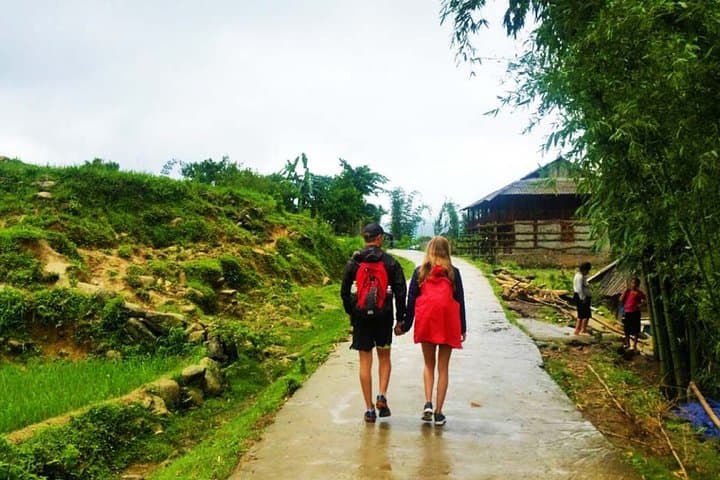
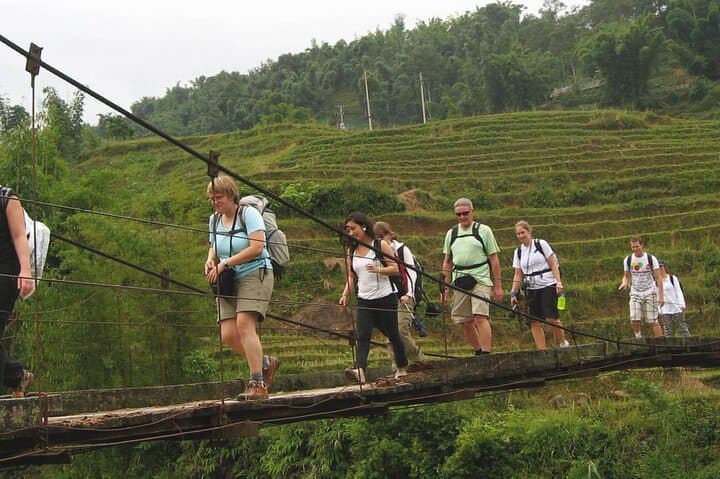
Over three days expect mixed trails: packed dirt, stone steps, occasional bamboo forest and slippery stretches after rain. Daily walking averages 6–12 km with cumulative elevation changes roughly 800–1,200 m; porters carry group luggage while you hike light. Two nights in village homestays give direct cultural exchange and simple comforts: shared meals, wood-fired kitchens and basic bedding.
Practical notes: start early to avoid afternoon showers, carry a waterproof layer and solid footwear, and budget extra time for village visits and photography. Respect local customs, keep to paths to avoid trampling terraces, and drink boiled or treated water supplied during the tour. By the last descent to Su Pan the valley has a way of pulling you forward — quiet, insistently local, and undeniably beautiful.
moderate.
3 days (approx. 72 hours).
Good general fitness for sustained walking on uneven terrain; regular hikers will be comfortable.
Each day covers moderate distances (6–12 km) with mixed uphill and downhill sections; suitable for those with regular walking fitness but not recommended for people with serious back or heart problems.
Homestays are simple family homes offering local meals, shared sleeping areas and basic bedding—they provide cultural immersion rather than hotel comforts.
Sapa sits around 1,500 m; most people adapt quickly, but allow time, stay hydrated and avoid strenuous exertion if you feel unwell.
Yes—an English-speaking guide accompanies the trek and porters carry group food and luggage as noted in the tour inclusions.
The Hoang Lien area has been farmed by local hill tribes for centuries; Sapa was developed as a French hill station in the early 1900s and the terraces reflect generations of community agriculture.
Stick to marked trails to protect fragile terrace edges, minimize single-use plastics, and support homestays that reinvest tourism income locally.
Asia Travel Links operates guided outdoor trips and adventures with an emphasis on safety, stewardship, and memorable experiences.
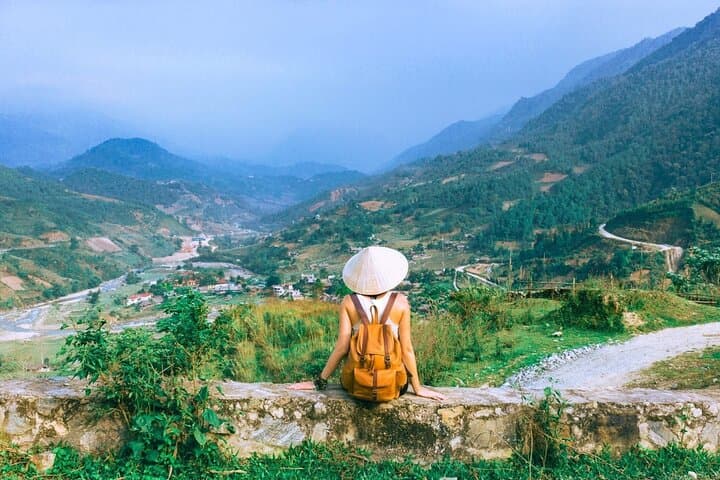
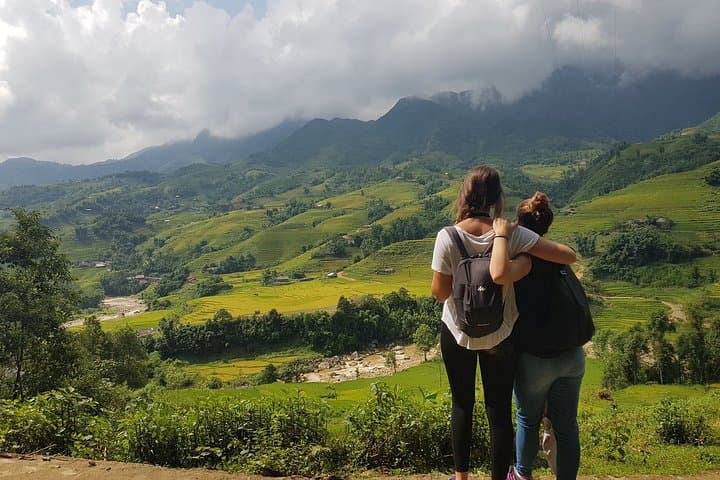
Morning mist peels back across carved rice terraces as you step from Sapa’s narrow, cobbled streets onto a trail that climbs into the Hoang Lien range. The valley opens in tiers below you — green fields folding like steps — while children and water buffalo move through irrigation channels that have shaped this landscape for generations.
Morning mist peels back across carved rice terraces as you step from Sapa’s narrow, cobbled streets onto a trail that climbs into the Hoang Lien range. The valley opens in tiers below you — green fields folding like steps — while children and water buffalo move through irrigation channels that have shaped this landscape for generations.
Geology here is young and rugged: granite outcrops and steep valleys formed by tectonic uplift and persistent monsoon erosion. Sapa itself was a French hill station in the early 20th century; today the region is defined by the Black Hmong, Giay and Red Dao communities who maintain terraced agriculture and distinctive textiles. Muong Hoa’s terraces and village trails are living cultural landscapes more than a single viewpoint — each path threads through daily life.
Over three days expect mixed trails: packed dirt, stone steps, occasional bamboo forest and slippery stretches after rain. Daily walking averages 6–12 km with cumulative elevation changes roughly 800–1,200 m; porters carry group luggage while you hike light. Two nights in village homestays give direct cultural exchange and simple comforts: shared meals, wood-fired kitchens and basic bedding.
Practical notes: start early to avoid afternoon showers, carry a waterproof layer and solid footwear, and budget extra time for village visits and photography. Respect local customs, keep to paths to avoid trampling terraces, and drink boiled or treated water supplied during the tour. By the last descent to Su Pan the valley has a way of pulling you forward — quiet, insistently local, and undeniably beautiful.