THE ADVENTURE COLLECTIVE® · Independent discovery and booking for outdoor travel

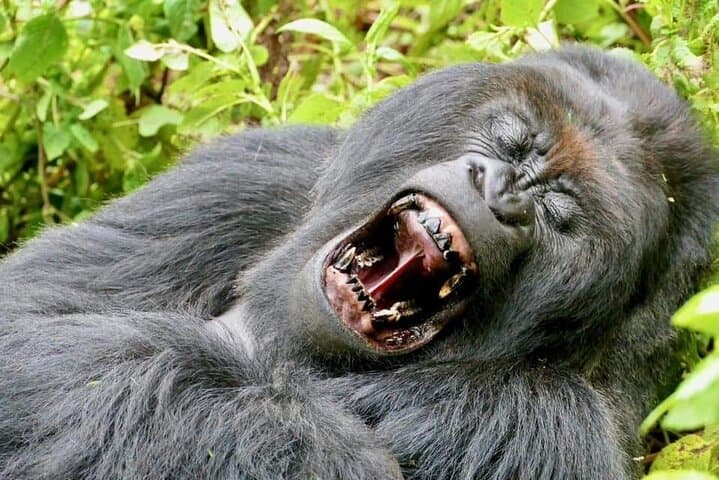
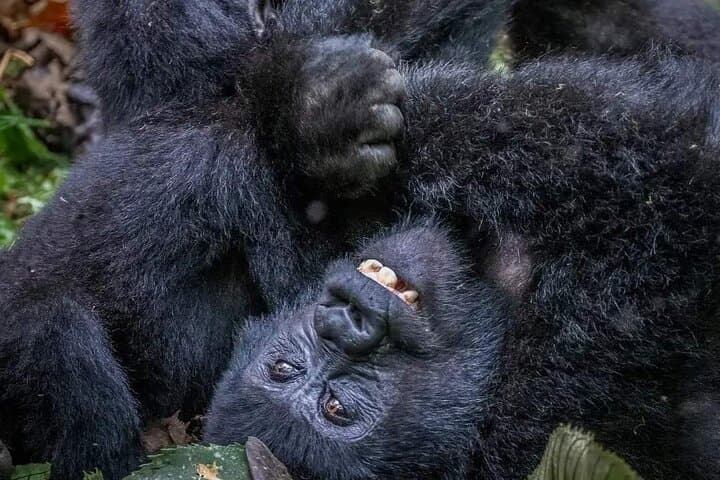
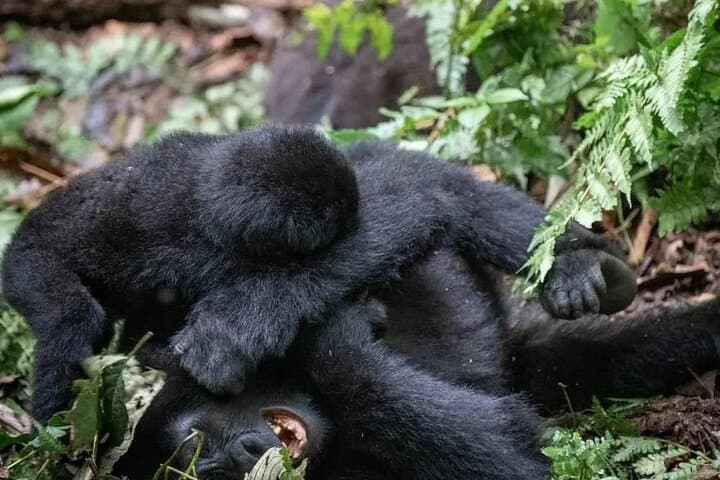
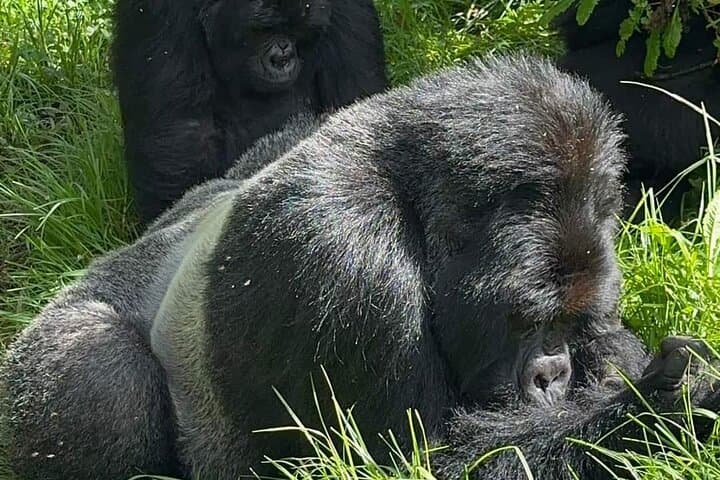
Spend three days tracking mountain gorillas in Bwindi Impenetrable National Park, where dense rainforest, steep ridges, and experienced rangers deliver a rare hour with habituated gorilla families. Expect muddy trails, cultural insights, and practical guidance to make the most of this conservation-focused encounter.
Spend three days tracking mountain gorillas in Bwindi Impenetrable National Park, where dense rainforest, steep ridges, and experienced rangers deliver a rare hour with habituated gorilla families. Expect muddy trails, cultural insights, and practical guidance to make the most of this conservation-focused encounter.
Morning mist clings to the leaves as your vehicle climbs toward Bwindi; the road narrows, tea terraces give way to steep ridges, and the forest ahead seems to hold its breath. Rangers meet you for a short briefing, then you step into a living, breathing green—vines tangle like ropes and shafts of light push through the canopy as trackers read the forest’s signs.
Verified experiences and guided adventures in the surrounding area.
Operated by Next trip safaris · Kisoro, Western Region
Morning mist clings to the leaves as your vehicle climbs toward Bwindi; the road narrows, tea terraces give way to steep ridges, and the forest ahead seems to hold its breath. Rangers meet you for a short briefing, then you step into a living, breathing green—vines tangle like ropes and shafts of light push through the canopy as trackers read the forest’s signs.
Bwindi Impenetrable National Park is ancient rainforest carved by tectonic movement along the western rift. It shelters about half the world’s mountain gorillas and supports Batwa and Bakiga communities whose lives have long been tied to the slopes. The park’s geology—the broken ridges and hidden gullies—makes each tracking day variable: a gentle forest walk can become a steep, muddy scramble in minutes.
Culturally, encounters are quiet and reverent: the Uganda Wildlife Authority enforces strict viewing rules and limits time to an hour to protect gorilla groups. Local lodges like Bweza and community-run viewpoints offer close access without camping, and visiting contributes directly to conservation and local livelihoods.
Practically, expect daily treks of 2–8 hours through uneven, often wet terrain. Gaiters and waterproof boots are standard; a small daypack, water, and layers keep comfort high. Guides and porters help with route-finding and heavy packs. Photography is allowed but no flash; maintain distance and follow ranger instructions—your discipline is part of the protection these apes need.
This three-day itinerary balances travel time from Entebbe with a focused gorilla encounter and time to reflect on the forests and people that sustain them.
moderate.
3 days (daily treks 2–8 hours).
Good basic cardio and strong ankles recommended; you should be comfortable on steep, muddy trails and short steep climbs.
Yes—Uganda requires a gorilla tracking permit issued by the Uganda Wildlife Authority; permits are limited and typically arranged before travel.
Difficulty varies—treks can be as short as two hours or a full-day hike over steep, muddy terrain; moderate fitness and sure-footedness are recommended.
Photography is allowed but no flash; maintain distance and follow ranger instructions to avoid disturbing the gorillas.
Yes—expect birdlife, primates, and lush plant variety; visits often include local community experiences and equator-stop photo opportunities en route.
Bwindi’s forest is an ancient remnant of African rainforest shaped by rift-valley tectonics and recognized as a UNESCO World Heritage site for its biodiversity and endangered gorillas.
Gorilla tracking fees and lodges contribute directly to conservation and community programs; follow all guidelines to minimize disease and disturbance risks.
Next trip safaris operates guided outdoor trips and adventures with an emphasis on safety, stewardship, and memorable experiences.
Morning mist clings to the leaves as your vehicle climbs toward Bwindi; the road narrows, tea terraces give way to steep ridges, and the forest ahead seems to hold its breath. Rangers meet you for a short briefing, then you step into a living, breathing green—vines tangle like ropes and shafts of light push through the canopy as trackers read the forest’s signs.
Morning mist clings to the leaves as your vehicle climbs toward Bwindi; the road narrows, tea terraces give way to steep ridges, and the forest ahead seems to hold its breath. Rangers meet you for a short briefing, then you step into a living, breathing green—vines tangle like ropes and shafts of light push through the canopy as trackers read the forest’s signs.
Bwindi Impenetrable National Park is ancient rainforest carved by tectonic movement along the western rift. It shelters about half the world’s mountain gorillas and supports Batwa and Bakiga communities whose lives have long been tied to the slopes. The park’s geology—the broken ridges and hidden gullies—makes each tracking day variable: a gentle forest walk can become a steep, muddy scramble in minutes.
Culturally, encounters are quiet and reverent: the Uganda Wildlife Authority enforces strict viewing rules and limits time to an hour to protect gorilla groups. Local lodges like Bweza and community-run viewpoints offer close access without camping, and visiting contributes directly to conservation and local livelihoods.
Practically, expect daily treks of 2–8 hours through uneven, often wet terrain. Gaiters and waterproof boots are standard; a small daypack, water, and layers keep comfort high. Guides and porters help with route-finding and heavy packs. Photography is allowed but no flash; maintain distance and follow ranger instructions—your discipline is part of the protection these apes need.
This three-day itinerary balances travel time from Entebbe with a focused gorilla encounter and time to reflect on the forests and people that sustain them.