THE ADVENTURE COLLECTIVE® · Independent discovery and booking for outdoor travel

A classic three-day trek from Marrakech into the Azzaden Valley and up to Jebel Toubkal. Expect steep climbs, traditional Berber villages, a night in a high mountain refuge, and a summit push with expansive Atlas views.
A classic three-day trek from Marrakech into the Azzaden Valley and up to Jebel Toubkal. Expect steep climbs, traditional Berber villages, a night in a high mountain refuge, and a summit push with expansive Atlas views.
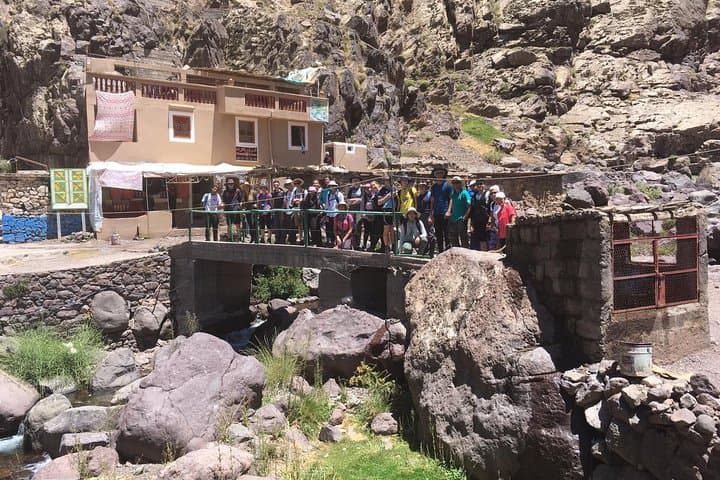
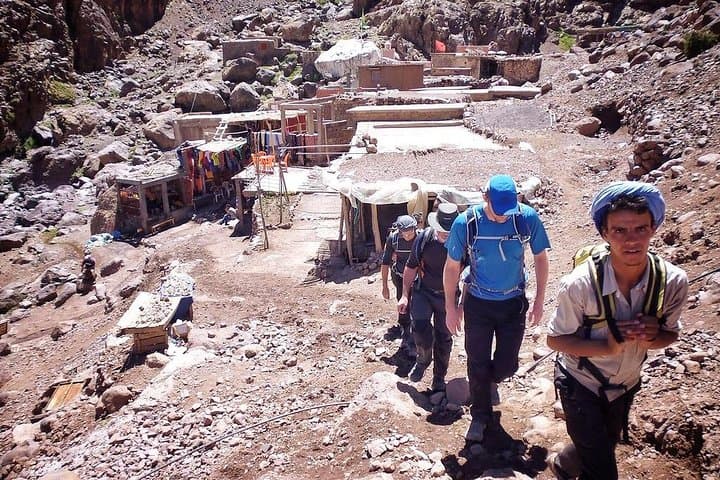
The trail rises out of Imlil at dawn, dust and mule bells still warm from the night. Trekkers move up a tight valley of stone terraces and irrigated orchards, the Azzaden spines of the High Atlas climbing ahead like a challenge. Streams dare you to follow them higher; wind pushes across scree and past the low rock shelters where guides pause for tea.
Verified experiences and guided adventures in the surrounding area.
Operated by Smart Morocco Tours Excursions · Imlil, Marrakesh-Safi
The trail rises out of Imlil at dawn, dust and mule bells still warm from the night. Trekkers move up a tight valley of stone terraces and irrigated orchards, the Azzaden spines of the High Atlas climbing ahead like a challenge. Streams dare you to follow them higher; wind pushes across scree and past the low rock shelters where guides pause for tea.
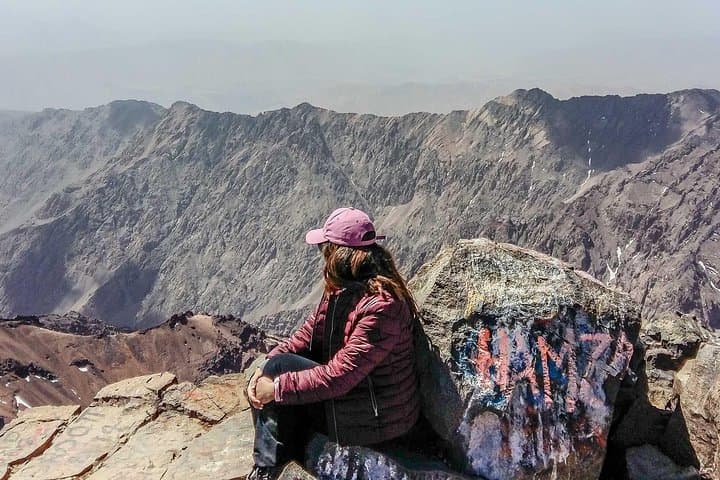
This three-day itinerary follows traditional Berber routes toward North Africa’s highest peak, Jebel Toubkal (4,167 m). Geologically the High Atlas is young and rugged—folded sedimentary rock pushed up by the collision of the African and Eurasian plates—so expect steep ascents, loose scree, and sharp ridgelines. Culturally the path passes Azzaden villages where Amazigh farmers tend terraced plots and raise goats; local refuges maintain a long history of hosting cross‑Saharan traders and modern trekkers alike.
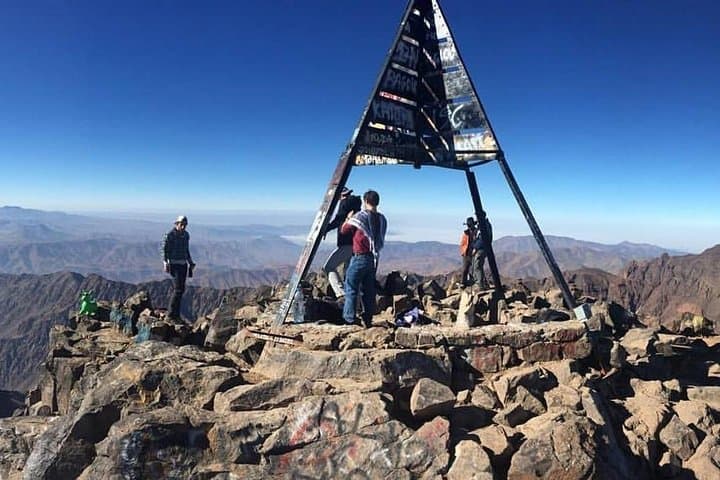
Practically, days alternate steady climbs and long descents: Day 1 moves from Imlil (1,780 m) into the Azzaden Valley and up to Azib n’Tamsoult; Day 2 climbs to the Aguelzim pass and Toubkal Refuge (~3,200 m); Day 3 is an alpine start for the summit and a long return to Imlil. Expect 6–9 hours of trekking on summit day with about 900 m ascent and nearly 2,500 m descent overall.
Bring layered clothing for large temperature swings, sturdy boots for mixed rock and scree, and hydration systems—water is limited above villages. Travel early to avoid afternoon storms and hire an experienced local guide familiar with refuge logistics and altitude pacing.
challenging.
3 days (approx. 48–72 hours including transfers).
Good aerobic fitness with experience on sustained uphill and long downhill days; comfortable carrying a daypack.
You should have experience on multi-day hikes with sustained climbs; the route includes steep sections and long descents, so good cardiovascular fitness and leg strength help.
Refuges are basic but functional—ranked as comfortable for high-altitude shelters, with shared dormitories, simple meals, and limited hot water.
Yes, mule support is commonly arranged via guides to carry larger packs and supplies, reducing load for trekkers.
There is no formal permit system for Toubkal, but registered guides and refuge bookings are strongly recommended for safety and local regulations.
The High Atlas has long been inhabited by Amazigh (Berber) communities who shaped the terrace agriculture and maintained refuge hospitality for traders and pilgrims crossing the range.
Trails are fragile above tree line; stick to established paths, pack out waste, and support local guides to ensure low-impact camping and proper refuge use.
Smart Morocco Tours Excursions operates guided outdoor trips and adventures with an emphasis on safety, stewardship, and memorable experiences.
The trail rises out of Imlil at dawn, dust and mule bells still warm from the night. Trekkers move up a tight valley of stone terraces and irrigated orchards, the Azzaden spines of the High Atlas climbing ahead like a challenge. Streams dare you to follow them higher; wind pushes across scree and past the low rock shelters where guides pause for tea.
The trail rises out of Imlil at dawn, dust and mule bells still warm from the night. Trekkers move up a tight valley of stone terraces and irrigated orchards, the Azzaden spines of the High Atlas climbing ahead like a challenge. Streams dare you to follow them higher; wind pushes across scree and past the low rock shelters where guides pause for tea.
This three-day itinerary follows traditional Berber routes toward North Africa’s highest peak, Jebel Toubkal (4,167 m). Geologically the High Atlas is young and rugged—folded sedimentary rock pushed up by the collision of the African and Eurasian plates—so expect steep ascents, loose scree, and sharp ridgelines. Culturally the path passes Azzaden villages where Amazigh farmers tend terraced plots and raise goats; local refuges maintain a long history of hosting cross‑Saharan traders and modern trekkers alike.
Practically, days alternate steady climbs and long descents: Day 1 moves from Imlil (1,780 m) into the Azzaden Valley and up to Azib n’Tamsoult; Day 2 climbs to the Aguelzim pass and Toubkal Refuge (~3,200 m); Day 3 is an alpine start for the summit and a long return to Imlil. Expect 6–9 hours of trekking on summit day with about 900 m ascent and nearly 2,500 m descent overall.
Bring layered clothing for large temperature swings, sturdy boots for mixed rock and scree, and hydration systems—water is limited above villages. Travel early to avoid afternoon storms and hire an experienced local guide familiar with refuge logistics and altitude pacing.