THE ADVENTURE COLLECTIVE® · Independent discovery and booking for outdoor travel

A compact, guided three-day ascent of Jebel Toubkal from Marrakech that combines village trails, a mountain refuge night, and a summit push to North Africa’s highest peak. Ideal for hikers with moderate fitness and a taste for alpine terrain.
A compact, guided three-day ascent of Jebel Toubkal from Marrakech that combines village trails, a mountain refuge night, and a summit push to North Africa’s highest peak. Ideal for hikers with moderate fitness and a taste for alpine terrain.
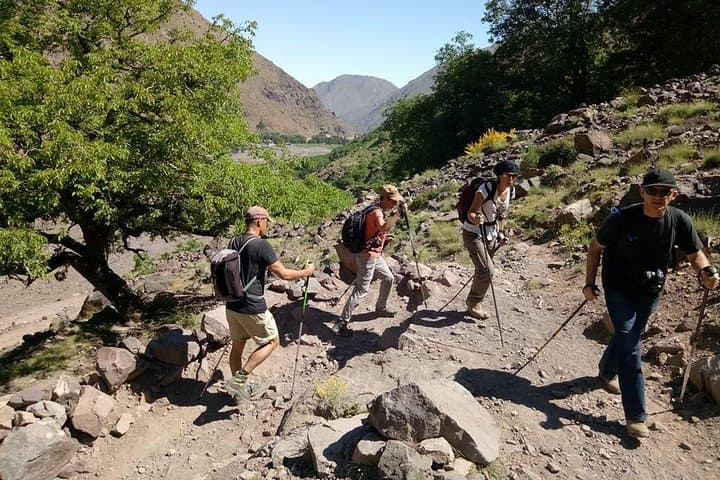
You set out before dawn from Imlil, headlamp cutting a path through cool air as the foothills of the High Atlas begin to glow. The mule tracks climb steadily; dry stone terraces and small Berber hamlets slide behind you as the trail angles toward the Toubkal refuge at 3,200 m. At sunrise the ridgelines sharpen and the mountain seems to test your resolve with each step.
Verified experiences and guided adventures in the surrounding area.
Operated by Smart Morocco Tours Excursions · Imlil, Marrakesh-Safi
You set out before dawn from Imlil, headlamp cutting a path through cool air as the foothills of the High Atlas begin to glow. The mule tracks climb steadily; dry stone terraces and small Berber hamlets slide behind you as the trail angles toward the Toubkal refuge at 3,200 m. At sunrise the ridgelines sharpen and the mountain seems to test your resolve with each step.
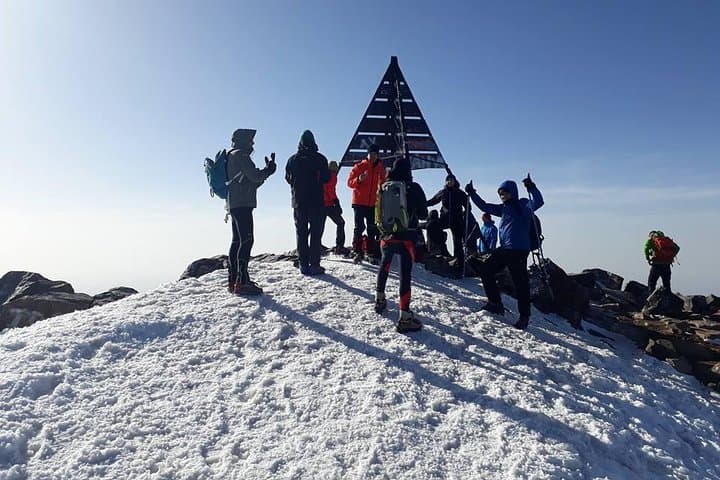
Jebel Toubkal is the highest peak in North Africa at 4,167 m, sitting on fractured volcanic and metamorphic rocks shaped by glacial episodes. The route follows old transhumance tracks used by Amazigh shepherds for generations; you’ll pass shrines and seasonal fields that speak to a living mountain culture. Guides from local villages act as both navigators and cultural interpreters, connecting you to the landscape’s human history.
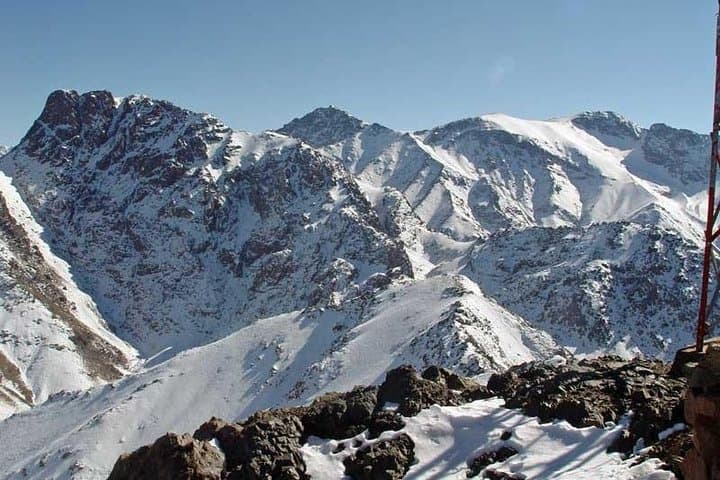
Expect rocky alpine trails, loose scree near the summit, and wide views from the top that sweep to the Marrakech plain and, in clear weather, the beginning of the Sahara. The refuge system provides simple, communal lodging—comfort without luxury—and mule support reduces load on long approaches.
Practical guidance: pace yourself for altitude gain, carry layered clothing for high winds and sharp temperature swings, and plan for early starts on summit day to avoid afternoon weather. Hydrate and snack frequently; the ascent is steep but technical skill requirements are low in summer. With a competent guide and basic trekking fitness, this three-day itinerary is an attainable, memorable summit experience in a dramatic, culturally rich setting.
challenging.
3 days (approx. 10–14 hours hiking total).
Good aerobic fitness and experience on multi-day hikes; ability to handle sustained uphill walking at altitude.
No technical climbing skills are required in summer routes; however, good fitness, steady footing on scree, and altitude awareness are essential.
Two nights in mountain refuge-style lodging and local guesthouse-style accommodation on approach; communal rooms and basic facilities are standard.
Families can join if participants have moderate fitness; it’s not recommended for those with serious heart or spinal conditions or for late-stage pregnancy.
Yes—meals as listed (breakfasts, lunches, dinners) and private returns to/from Marrakech are included in the itinerary.
Jebel Toubkal has long been part of Amazigh seasonal routes; the refuge network and mule trails reflect centuries of mountain shepherding and trade.
Toubkal sits within a protected park where staying on trails, packing out waste, and using local guides helps reduce impact and supports village economies.
Smart Morocco Tours Excursions operates guided outdoor trips and adventures with an emphasis on safety, stewardship, and memorable experiences.

You set out before dawn from Imlil, headlamp cutting a path through cool air as the foothills of the High Atlas begin to glow. The mule tracks climb steadily; dry stone terraces and small Berber hamlets slide behind you as the trail angles toward the Toubkal refuge at 3,200 m. At sunrise the ridgelines sharpen and the mountain seems to test your resolve with each step.
You set out before dawn from Imlil, headlamp cutting a path through cool air as the foothills of the High Atlas begin to glow. The mule tracks climb steadily; dry stone terraces and small Berber hamlets slide behind you as the trail angles toward the Toubkal refuge at 3,200 m. At sunrise the ridgelines sharpen and the mountain seems to test your resolve with each step.
Jebel Toubkal is the highest peak in North Africa at 4,167 m, sitting on fractured volcanic and metamorphic rocks shaped by glacial episodes. The route follows old transhumance tracks used by Amazigh shepherds for generations; you’ll pass shrines and seasonal fields that speak to a living mountain culture. Guides from local villages act as both navigators and cultural interpreters, connecting you to the landscape’s human history.
Expect rocky alpine trails, loose scree near the summit, and wide views from the top that sweep to the Marrakech plain and, in clear weather, the beginning of the Sahara. The refuge system provides simple, communal lodging—comfort without luxury—and mule support reduces load on long approaches.
Practical guidance: pace yourself for altitude gain, carry layered clothing for high winds and sharp temperature swings, and plan for early starts on summit day to avoid afternoon weather. Hydrate and snack frequently; the ascent is steep but technical skill requirements are low in summer. With a competent guide and basic trekking fitness, this three-day itinerary is an attainable, memorable summit experience in a dramatic, culturally rich setting.