THE ADVENTURE COLLECTIVE® · Independent discovery and booking for outdoor travel

A three-day private trek from Marrakech to the summit of Jebel Toubkal (4,167 m). Expect cultural village stops, a night in a high-mountain refuge, and a pre-dawn summit push with panoramic views across the High Atlas.
A three-day private trek from Marrakech to the summit of Jebel Toubkal (4,167 m). Expect cultural village stops, a night in a high-mountain refuge, and a pre-dawn summit push with panoramic views across the High Atlas.
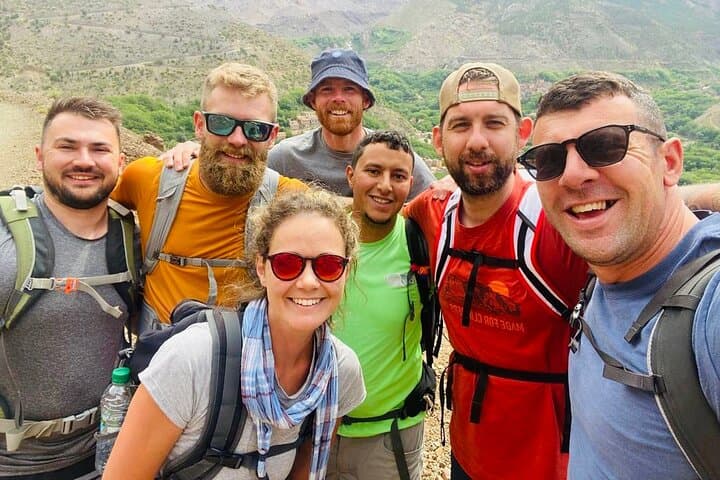
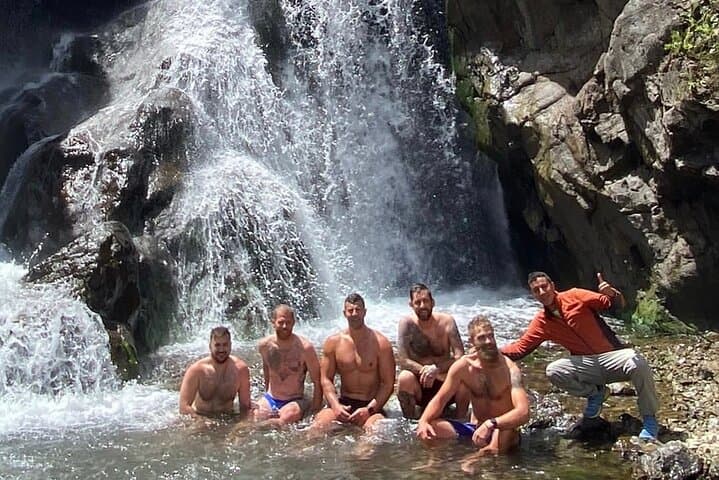
You wake before dawn in a small guest house in Imlil; the air is sharp, the first light sliding over terraces and walnut trees. Mules load quietly outside while your guide checks the route — the track ahead climbs from green valleys into wind-scoured scree, the massif of Toubkal looming like a challenge kept for those willing to earn it. Rivers dare you across stepped fords, and the wind pushes you forward as if impatient for the summit.
Verified experiences and guided adventures in the surrounding area.
Operated by Make a change expeditions · Imlil, Marrakech-Safi
You wake before dawn in a small guest house in Imlil; the air is sharp, the first light sliding over terraces and walnut trees. Mules load quietly outside while your guide checks the route — the track ahead climbs from green valleys into wind-scoured scree, the massif of Toubkal looming like a challenge kept for those willing to earn it. Rivers dare you across stepped fords, and the wind pushes you forward as if impatient for the summit.
The High Atlas were shaped by tectonic forces and glacial action, leaving steep ridges, terraces, and the rocky crown of Jebel Toubkal (4,167 m). Local Amazigh (Berber) communities have farmed these valleys for centuries; stone houses and stepped fields speak to a mountain culture adapted to altitude. The refuge at 3,207 m is a meeting point for climbers and muleteers, and the morning summit push follows ridgelines that demand steady footing and patience.
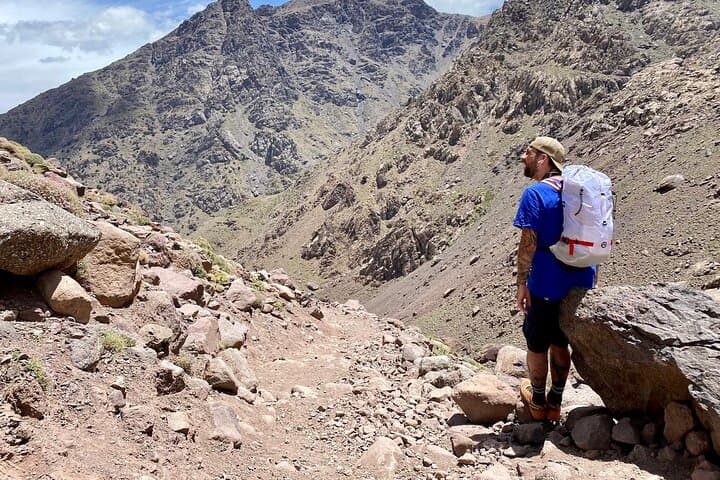
Practically, the itinerary spans three days: acclimatizing walks around Imlil, a full-day ascent to the refuge through walnut and high meadow, then an early pre-dawn summit ascent and descent back to Imlil. Expect rocky trails, loose scree above 3,000 m, and 6–8 hours of walking on summit day. Hydration, layered clothing, and sturdy boots matter; poles are strongly recommended. Weather shifts rapidly — sun can burn midday and winds bite at altitude.
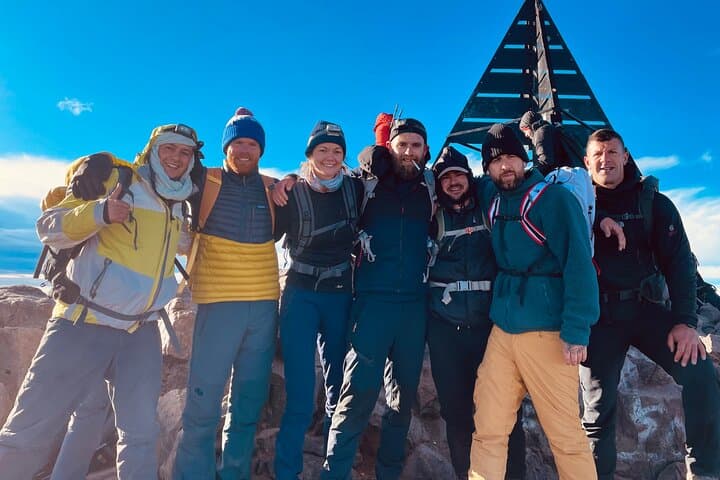
This trip pairs cultural immersion with alpine terrain: stay respectful of local customs, support mule teams and refuges, and pack out waste. The view from the top stretches toward the Sahara on clear days — a wide, hard-earned panorama that rewards the climb.
challenging.
3 days.
Requires a high level of cardiovascular fitness and experience with sustained uphill hiking at altitude.
Summit day is long and steep: expect about 8 hours of walking with sections of loose scree and exposed ridge; good fitness and steady pace are required.
Prior experience at altitude helps but is not mandatory; however, travelers should be physically fit and able to handle long days and reduced oxygen above 3,000 m.
Nights are in a local guest house in Imlil and a communal mountain refuge (Toubkal Hut) at ~3,207 m with basic dormitory-style sleeping and shared facilities.
Yes — the itinerary includes an experienced guide and mule support for luggage on the trek; personal trekking poles may be rented locally at extra cost.
The High Atlas are home to Amazigh (Berber) communities whose stone terraces and mule routes reflect centuries of mountain farming and trade.
Trekking pressure has increased waste and fuel use near refuges; support local guides, pack out trash, and favor refuges using sustainable practices to minimize impact.
Make a change expeditions operates guided outdoor trips and adventures with an emphasis on safety, stewardship, and memorable experiences.
You wake before dawn in a small guest house in Imlil; the air is sharp, the first light sliding over terraces and walnut trees. Mules load quietly outside while your guide checks the route — the track ahead climbs from green valleys into wind-scoured scree, the massif of Toubkal looming like a challenge kept for those willing to earn it. Rivers dare you across stepped fords, and the wind pushes you forward as if impatient for the summit.
You wake before dawn in a small guest house in Imlil; the air is sharp, the first light sliding over terraces and walnut trees. Mules load quietly outside while your guide checks the route — the track ahead climbs from green valleys into wind-scoured scree, the massif of Toubkal looming like a challenge kept for those willing to earn it. Rivers dare you across stepped fords, and the wind pushes you forward as if impatient for the summit.
The High Atlas were shaped by tectonic forces and glacial action, leaving steep ridges, terraces, and the rocky crown of Jebel Toubkal (4,167 m). Local Amazigh (Berber) communities have farmed these valleys for centuries; stone houses and stepped fields speak to a mountain culture adapted to altitude. The refuge at 3,207 m is a meeting point for climbers and muleteers, and the morning summit push follows ridgelines that demand steady footing and patience.
Practically, the itinerary spans three days: acclimatizing walks around Imlil, a full-day ascent to the refuge through walnut and high meadow, then an early pre-dawn summit ascent and descent back to Imlil. Expect rocky trails, loose scree above 3,000 m, and 6–8 hours of walking on summit day. Hydration, layered clothing, and sturdy boots matter; poles are strongly recommended. Weather shifts rapidly — sun can burn midday and winds bite at altitude.
This trip pairs cultural immersion with alpine terrain: stay respectful of local customs, support mule teams and refuges, and pack out waste. The view from the top stretches toward the Sahara on clear days — a wide, hard-earned panorama that rewards the climb.