THE ADVENTURE COLLECTIVE® · Independent discovery and booking for outdoor travel

A three-day private climb up Mount Meru offers a condensed, guide-led summit experience from Arusha. Expect forested trails, alpine exposure, and an early-morning summit push—non-technical but physically demanding.
A three-day private climb up Mount Meru offers a condensed, guide-led summit experience from Arusha. Expect forested trails, alpine exposure, and an early-morning summit push—non-technical but physically demanding.
A damp pre-dawn in Arusha smells of roasting coffee and diesel; by the time the minivan leaves town the city has already begun to stretch. The road to Momella Gate peels away from cultivated fields into tall acacia and the shadow of Mount Meru grows until it fills the windshield—a hulking, green-volcanic shoulder crowned in fog. Over three days this mountain asks for steady legs and a patient pace: the route threads montane forest, bamboo gullies, alpine heather and a final raw rim where wind and altitude sharpen every sensation.
Verified experiences and guided adventures in the surrounding area.
Operated by African polecat safaris · Arusha, Arusha Region
A damp pre-dawn in Arusha smells of roasting coffee and diesel; by the time the minivan leaves town the city has already begun to stretch. The road to Momella Gate peels away from cultivated fields into tall acacia and the shadow of Mount Meru grows until it fills the windshield—a hulking, green-volcanic shoulder crowned in fog. Over three days this mountain asks for steady legs and a patient pace: the route threads montane forest, bamboo gullies, alpine heather and a final raw rim where wind and altitude sharpen every sensation.
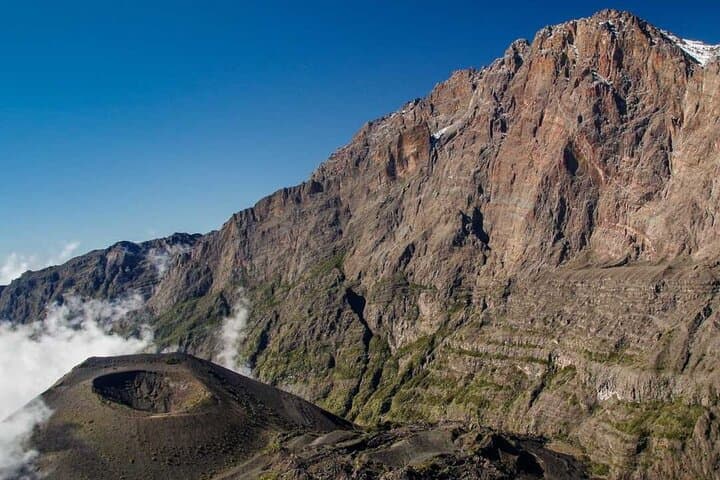
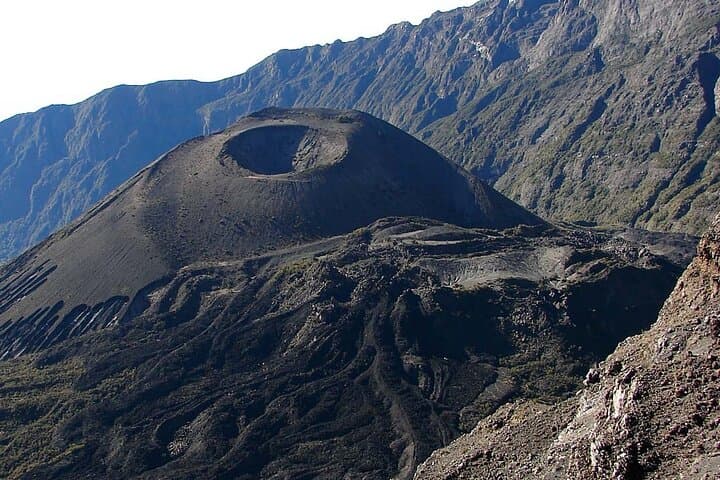
Geology here reads like a short history of the Rift. Mount Meru is a young stratovolcano rising from the floor of the East African Rift; its slopes are a stairway of ecological zones formed by lava flows, volcanic ash and river-carved gullies. Culturally, Meru has been a landmark for the Maasai and the Meru people; Arusha, the nearest hub, grew as a trading town in the volcano's shadow and remains the logistical base for most climbs.
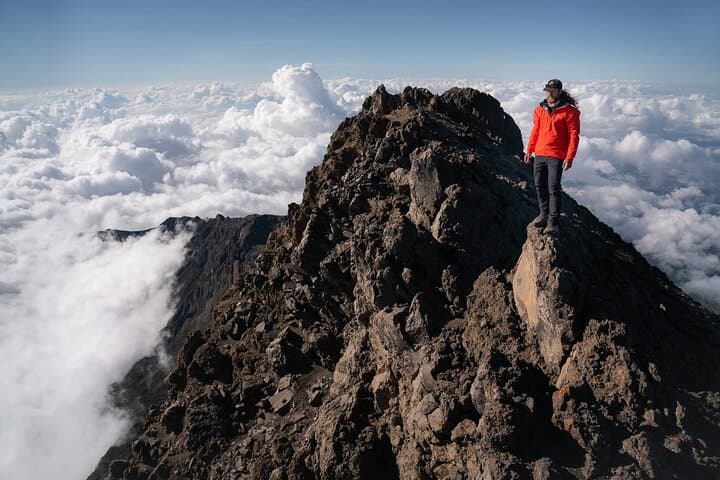
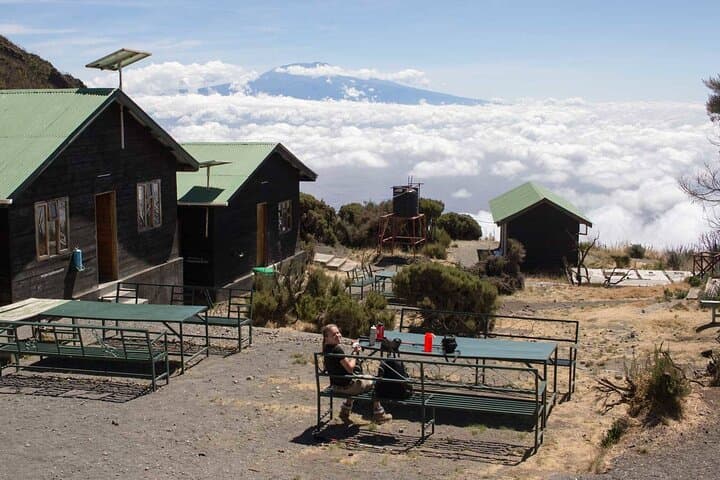
Day one moves easily through a forest that still smells of wet earth; monkeys chatter in the canopy and porters step with quiet efficiency, ferrying tents and food. By evening the Mariakamba Hut sits at ~8,500 feet and the light thins to copper. Day two is a tougher pitch—around 4 km but with 1,050 meters of ascent—ending at Saddle Hut where the air becomes thin and views of Kilimanjaro can appear like a pale promise on the horizon. The summit push starts very early on day three: the summit itself stands high above the treeline, and the descent is long—a 14 km drop back to Momella Gate that tests knees and concentration.
Practical preparation matters. This is non-technical mountaineering, not a scramble, but altitude is the decisive variable. Expect cold nights, strong sun between storms, and terrain that shifts from root-slick forest paths to loose volcanic scree. Guides handle logistics—permits, porters, food—but climbers should bring layered insulation, sturdy boots and a readiness to walk at a measured pace.
A private three-day itinerary compresses the climb into a compact window, ideal for travelers short on time but committed to the summit. Leave a buffer day in Arusha for travel or mild acclimatization. Hydration, slow overnight pacing and respect for local porter practices will make the summit not just possible but memorable: a raw, high-altitude victory with views that pull the Rift’s geometry into focus.
challenging.
3 days (2 nights).
Requires good cardiovascular fitness and hiking experience—regular cardio and long-day hiking in advance recommended.
No technical climbing is required, but you should be comfortable on long hikes with significant elevation gain and at high altitude.
The summit is above 4,500 m; the final ascent is steep and cold—expect a strenuous 6–10 hour push depending on pace.
Guided packages typically include park fees, hut fees and permits—confirm inclusion when booking.
Overnight stays are in basic mountain huts (Mariakamba, Saddle) with shared sleeping areas; guides and porters manage meals and logistics.
Altitude sickness, weather changes, and slippery trails—follow guide instructions, hydrate and monitor symptoms closely.
This itinerary is not recommended for pregnant travelers; children should be assessed case-by-case and possess proven hiking stamina.
Mount Meru is a young stratovolcano in the East African Rift; its slopes have shaped local settlement patterns and trade routes around Arusha.
Climbs occur inside Arusha National Park—stay on trails, use porter services responsibly and pack out waste to protect fragile alpine habitats.
African polecat safaris operates guided outdoor trips and adventures with an emphasis on safety, stewardship, and memorable experiences.
A damp pre-dawn in Arusha smells of roasting coffee and diesel; by the time the minivan leaves town the city has already begun to stretch. The road to Momella Gate peels away from cultivated fields into tall acacia and the shadow of Mount Meru grows until it fills the windshield—a hulking, green-volcanic shoulder crowned in fog. Over three days this mountain asks for steady legs and a patient pace: the route threads montane forest, bamboo gullies, alpine heather and a final raw rim where wind and altitude sharpen every sensation.
A damp pre-dawn in Arusha smells of roasting coffee and diesel; by the time the minivan leaves town the city has already begun to stretch. The road to Momella Gate peels away from cultivated fields into tall acacia and the shadow of Mount Meru grows until it fills the windshield—a hulking, green-volcanic shoulder crowned in fog. Over three days this mountain asks for steady legs and a patient pace: the route threads montane forest, bamboo gullies, alpine heather and a final raw rim where wind and altitude sharpen every sensation.
Geology here reads like a short history of the Rift. Mount Meru is a young stratovolcano rising from the floor of the East African Rift; its slopes are a stairway of ecological zones formed by lava flows, volcanic ash and river-carved gullies. Culturally, Meru has been a landmark for the Maasai and the Meru people; Arusha, the nearest hub, grew as a trading town in the volcano's shadow and remains the logistical base for most climbs.
Day one moves easily through a forest that still smells of wet earth; monkeys chatter in the canopy and porters step with quiet efficiency, ferrying tents and food. By evening the Mariakamba Hut sits at ~8,500 feet and the light thins to copper. Day two is a tougher pitch—around 4 km but with 1,050 meters of ascent—ending at Saddle Hut where the air becomes thin and views of Kilimanjaro can appear like a pale promise on the horizon. The summit push starts very early on day three: the summit itself stands high above the treeline, and the descent is long—a 14 km drop back to Momella Gate that tests knees and concentration.
Practical preparation matters. This is non-technical mountaineering, not a scramble, but altitude is the decisive variable. Expect cold nights, strong sun between storms, and terrain that shifts from root-slick forest paths to loose volcanic scree. Guides handle logistics—permits, porters, food—but climbers should bring layered insulation, sturdy boots and a readiness to walk at a measured pace.
A private three-day itinerary compresses the climb into a compact window, ideal for travelers short on time but committed to the summit. Leave a buffer day in Arusha for travel or mild acclimatization. Hydration, slow overnight pacing and respect for local porter practices will make the summit not just possible but memorable: a raw, high-altitude victory with views that pull the Rift’s geometry into focus.