THE ADVENTURE COLLECTIVE® · Independent discovery and booking for outdoor travel

Witness two of Java’s most dramatic volcanic spectacles in a single itinerary: sunrise over Mount Bromo’s caldera and the surreal blue flames of Ijen. This 3-day journey from Yogyakarta blends rugged hikes, long drives, and cultural stops with practical guidance for first-time volcanic trekkers.
Witness two of Java’s most dramatic volcanic spectacles in a single itinerary: sunrise over Mount Bromo’s caldera and the surreal blue flames of Ijen. This 3-day journey from Yogyakarta blends rugged hikes, long drives, and cultural stops with practical guidance for first-time volcanic trekkers.
Before dawn on Day Two, cold air rides the caldera like a slow tide and the silhouettes of smoking vents sharpen into ridges. You stand on the Bromo rim as light spills across a sea of volcanic sand — the Tengger Caldera breathing steam and color — then, two days later, you watch electric-blue flames licking from a crater rim at Ijen while sulfur miners move like ghosts below.
Verified experiences and guided adventures in the surrounding area.
Operated by YKExplore · Yogyakarta, East Java
Before dawn on Day Two, cold air rides the caldera like a slow tide and the silhouettes of smoking vents sharpen into ridges. You stand on the Bromo rim as light spills across a sea of volcanic sand — the Tengger Caldera breathing steam and color — then, two days later, you watch electric-blue flames licking from a crater rim at Ijen while sulfur miners move like ghosts below.
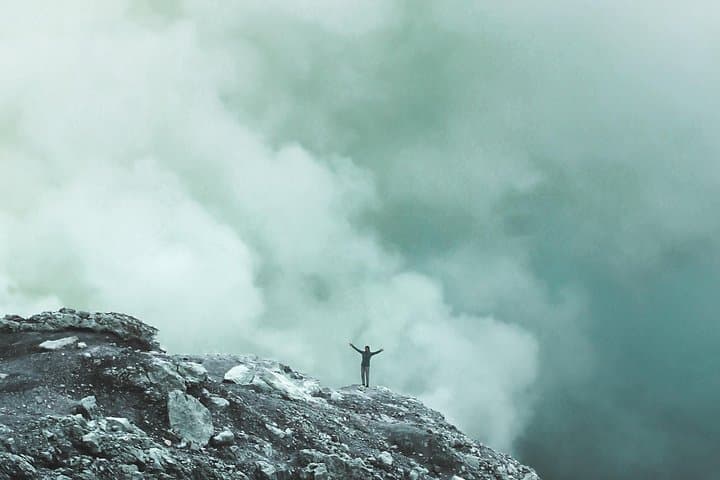
These twin encounters combine Java’s living geology and layered culture. Mount Bromo is part of the Tengger massif, formed by repeated eruptions that carved a broad caldera; Mount Ijen’s high sulfur content and underground combustion produce the rare blue fire at night and steep, acidic crater lakes by day. The Tengger people maintain Hindu temples and village rituals that persist amid Islamic Java, and Banyuwangi’s coastal ports and labor history meet the miners who still haul sulfur by hand.
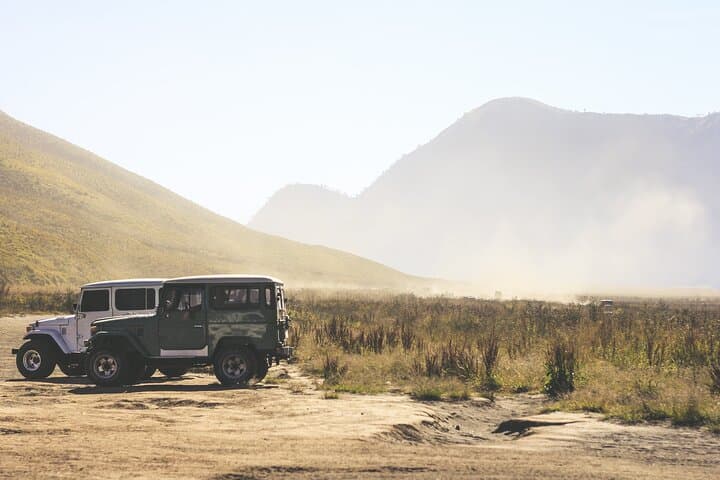
Practical edge: this is a multi-day, moderate tour with largely unpaved roads, short steep hikes and early starts for sunrise. Expect walking on volcanic sand and loose scree, sudden wind chill at elevation, and sulfur gas near Ijen — the operator provides masks, but a well-fitting respirator and goggles improve comfort. Pack a durable headlamp, layered clothing for 0–10°C at night, sturdy boots for crater rims, and water for long drives between sites.
Timing is everything: wake before dawn for both sunrises, move deliberately on crater edges, and allow recovery time after steep descents. With planning, the contrasts between otherworldly lunar plains and molten-blue mystery make three days on Java feel elemental and achievable.
moderate.
3 days.
Moderate fitness — able to walk 3–6 km over uneven terrain, handle early-morning starts, and manage short steep sections.
Both hikes are short but can be steep; Bromo involves stairs and volcanic sand, while Ijen features a steeper 1–2 hour ascent to reach the crater rim — moderate fitness is required.
Blue flames are visible at night/early dawn when conditions are calm and the volcanic gases ignite; visibility depends on weather and timing, so guides aim to position you for the best chance.
Yes, the tour includes basic gas masks and a flashlight, but many travelers bring a higher-quality respirator and goggles for comfort and protection.
Sturdy boots, thermal layers for chilly dawns, a windproof shell, and a headlamp are recommended; avoid open shoes and bring spare socks for damp conditions.
The Tengger people around Bromo maintain Hindu rituals dating back centuries, and Ijen’s sulfur mining is a labor-intensive practice with roots in colonial and local industry.
Both sites are fragile: stay on established trails, avoid touching crater lake water at Ijen, and follow local guides to minimize erosion and disturbance to mining communities.
YKExplore operates guided outdoor trips and adventures with an emphasis on safety, stewardship, and memorable experiences.
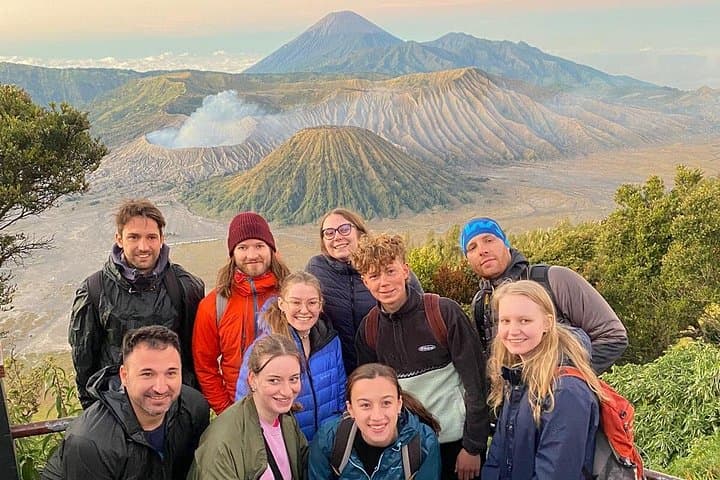
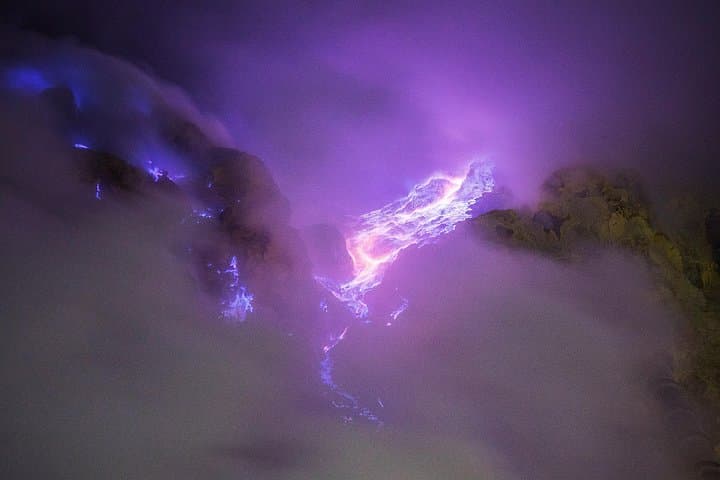
Before dawn on Day Two, cold air rides the caldera like a slow tide and the silhouettes of smoking vents sharpen into ridges. You stand on the Bromo rim as light spills across a sea of volcanic sand — the Tengger Caldera breathing steam and color — then, two days later, you watch electric-blue flames licking from a crater rim at Ijen while sulfur miners move like ghosts below.
Before dawn on Day Two, cold air rides the caldera like a slow tide and the silhouettes of smoking vents sharpen into ridges. You stand on the Bromo rim as light spills across a sea of volcanic sand — the Tengger Caldera breathing steam and color — then, two days later, you watch electric-blue flames licking from a crater rim at Ijen while sulfur miners move like ghosts below.
These twin encounters combine Java’s living geology and layered culture. Mount Bromo is part of the Tengger massif, formed by repeated eruptions that carved a broad caldera; Mount Ijen’s high sulfur content and underground combustion produce the rare blue fire at night and steep, acidic crater lakes by day. The Tengger people maintain Hindu temples and village rituals that persist amid Islamic Java, and Banyuwangi’s coastal ports and labor history meet the miners who still haul sulfur by hand.
Practical edge: this is a multi-day, moderate tour with largely unpaved roads, short steep hikes and early starts for sunrise. Expect walking on volcanic sand and loose scree, sudden wind chill at elevation, and sulfur gas near Ijen — the operator provides masks, but a well-fitting respirator and goggles improve comfort. Pack a durable headlamp, layered clothing for 0–10°C at night, sturdy boots for crater rims, and water for long drives between sites.
Timing is everything: wake before dawn for both sunrises, move deliberately on crater edges, and allow recovery time after steep descents. With planning, the contrasts between otherworldly lunar plains and molten-blue mystery make three days on Java feel elemental and achievable.