THE ADVENTURE COLLECTIVE® · Independent discovery and booking for outdoor travel

Three days from Tangier take you through Roman ruins, imperial gates, Fes’ ancient medina and the blue alleys of Chefchaouen. This compact circuit blends archaeology, urban walking and mountain scenery with practical tips for comfortable travel.
Three days from Tangier take you through Roman ruins, imperial gates, Fes’ ancient medina and the blue alleys of Chefchaouen. This compact circuit blends archaeology, urban walking and mountain scenery with practical tips for comfortable travel.
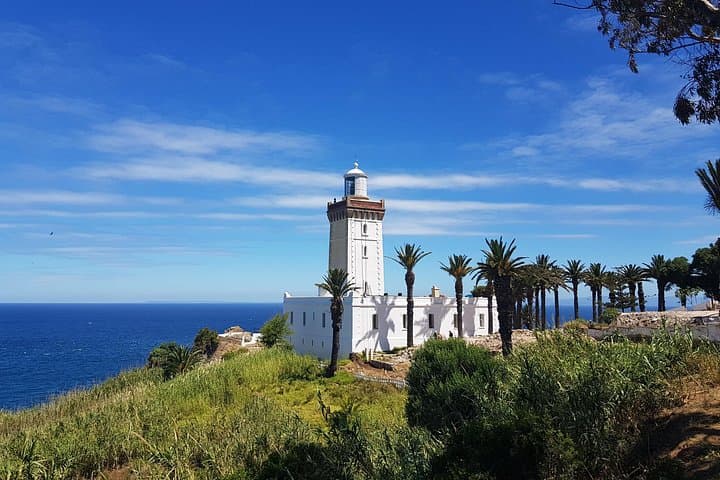
You step out of the air-conditioned van and the sea-scented air of Tangier folds behind you as the road climbs toward the heart of northern Morocco.
Verified experiences and guided adventures in the surrounding area.
Operated by Morocco Kos Tours · Tangier, Tanger-Tetouan-Al Hoceima
You step out of the air-conditioned van and the sea-scented air of Tangier folds behind you as the road climbs toward the heart of northern Morocco.
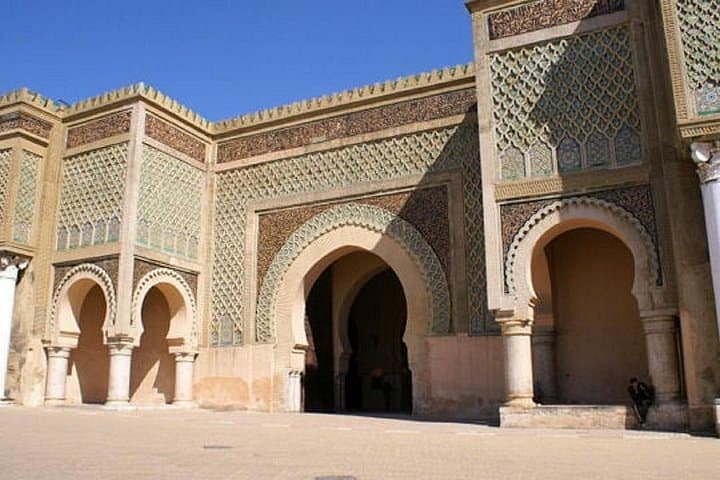
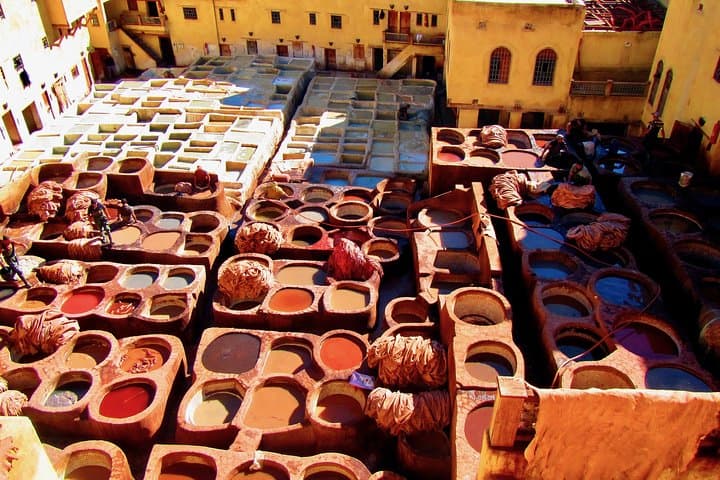
By mid-morning the Roman stones of Volubilis appear, low on a sunlit plain, their mosaic floors and column shafts speaking to an imperial past. Later, the massive gates and granaries of Meknes reveal Moulay Ismail’s 17th-century ambition—wide avenues and the ornate Bab Mansour are stark contrasts to the narrow lanes you’ll meet in Fes. The second day is devoted to Fes’ old medina: from high viewpoints that frame a patchwork of terracotta roofs to the carved courtyards of Bou Inania Madrasa and the long history of Al-Qarawiyyin.
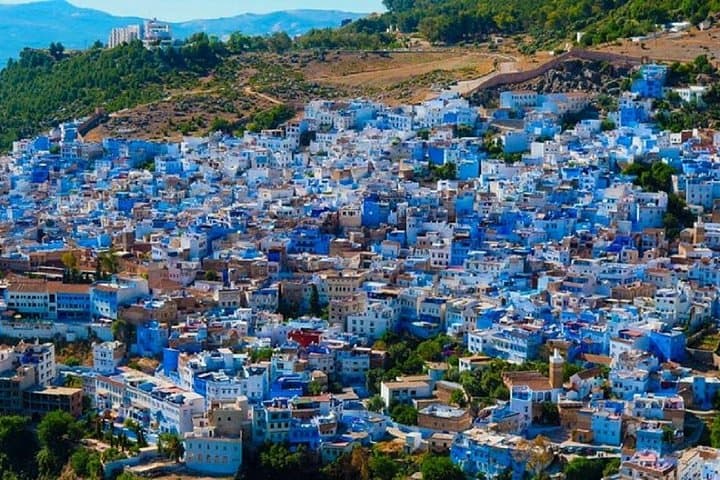
Geology and culture collide in the Rif foothills on day three when Chefchaouen’s blue-washed alleys and steep lanes sit beneath forested ridges; the town’s color and craft traditions evolved from Andalusi and later communities who shaped its identity.
Practical guidance: this is primarily a driving and walking tour—expect 2–4 hours of road time on day one and day three, and several hours of guided walking in uneven cobbles and alleys each day. Bring sturdy walking shoes, sun protection, and a modest layer for mosque visits. Carry local cash for small vendors and plan for tight alleys where vehicles cannot follow; porter services are sometimes available. Pace the itinerary: take rooftop breaks for views and carry water—hydration and comfortable footwear make the difference between a busy day and a memorable one.
easy.
3 days.
Basic walking fitness; able to negotiate uneven surfaces and several hours of guided walking over a day.
Expect 2–4 hours of driving on day one (Tangier to Volubilis/Meknes to Fes) and 3–4 hours on day three (Fes to Chefchaouen to Tangier) with shorter local transfers during the day.
Basic guided visits and transportation are included; some museum or site admissions may be payable locally—confirm with the operator before travel.
The tour is family-friendly but medina walking includes uneven cobbles and steps; not recommended for travelers with significant mobility or spinal problems.
Guides commonly speak English, French, and Arabic; confirm preferred language when booking to ensure availability.
Volubilis preserves Roman mosaics and urban plans from the 1st–3rd centuries; Meknes grew into an imperial capital under Moulay Ismail in the 17th century, while Fes maintains medieval educational and craft traditions.
Historic medinas are sensitive to wear and over-tourism—respect narrow lanes and avoid leaving litter; water is limited in northern Morocco, so conserve and use refill stations when available.
Morocco Kos Tours operates guided outdoor trips and adventures with an emphasis on safety, stewardship, and memorable experiences.
You step out of the air-conditioned van and the sea-scented air of Tangier folds behind you as the road climbs toward the heart of northern Morocco.
You step out of the air-conditioned van and the sea-scented air of Tangier folds behind you as the road climbs toward the heart of northern Morocco.
By mid-morning the Roman stones of Volubilis appear, low on a sunlit plain, their mosaic floors and column shafts speaking to an imperial past. Later, the massive gates and granaries of Meknes reveal Moulay Ismail’s 17th-century ambition—wide avenues and the ornate Bab Mansour are stark contrasts to the narrow lanes you’ll meet in Fes. The second day is devoted to Fes’ old medina: from high viewpoints that frame a patchwork of terracotta roofs to the carved courtyards of Bou Inania Madrasa and the long history of Al-Qarawiyyin.
Geology and culture collide in the Rif foothills on day three when Chefchaouen’s blue-washed alleys and steep lanes sit beneath forested ridges; the town’s color and craft traditions evolved from Andalusi and later communities who shaped its identity.
Practical guidance: this is primarily a driving and walking tour—expect 2–4 hours of road time on day one and day three, and several hours of guided walking in uneven cobbles and alleys each day. Bring sturdy walking shoes, sun protection, and a modest layer for mosque visits. Carry local cash for small vendors and plan for tight alleys where vehicles cannot follow; porter services are sometimes available. Pace the itinerary: take rooftop breaks for views and carry water—hydration and comfortable footwear make the difference between a busy day and a memorable one.