THE ADVENTURE COLLECTIVE® · Independent discovery and booking for outdoor travel

Three days from Marrakech carry you over the High Atlas into palm-lined valleys and a desert camp. Expect long drives, a guided camel ride at sunset, kasbah visits and a night under desert stars.
Three days from Marrakech carry you over the High Atlas into palm-lined valleys and a desert camp. Expect long drives, a guided camel ride at sunset, kasbah visits and a night under desert stars.
You step out of the medina into the cool diesel-scented air as a private minivan waits to thread the High Atlas. The road climbs, hairpins tighten, and the Tizi n’Tichka pass (about 2,260 m) brings you above red-earth towns into a landscape that dares you to look farther — basalt ridges giving way to ochre valleys and a palm-lined ribbon called the Draa.
Verified experiences and guided adventures in the surrounding area.
Operated by Escape Morocco Travel · Marrakech, Marrakech-Safi
You step out of the medina into the cool diesel-scented air as a private minivan waits to thread the High Atlas. The road climbs, hairpins tighten, and the Tizi n’Tichka pass (about 2,260 m) brings you above red-earth towns into a landscape that dares you to look farther — basalt ridges giving way to ochre valleys and a palm-lined ribbon called the Draa.
This three-day route follows centuries-old caravan corridors: kasbahs of rammed earth, Berber villages clinging to gullies, and the long Draa Valley (roughly 1,100 km across Morocco) where date palms mark ancient irrigation. Geologically the Atlas are folded, uplifted ranges carved by winter rains; the Sahara’s dunes are wind-sculpted sand seas that shift nightly.
Practically, expect long driving segments (several hours each day), a short camel trek to camp at sunset (typically ~45–90 minutes), and one night under a desert bivouac with dinner and breakfast. Elevation swings are notable — Marrakech sits near 470 m, passes top out around 2,200+ m, then desert camp is lower and arid.
Bring layered clothing for hot days and cold desert nights, stout footwear for kasbah approaches, sun protection and reusable water; guides on this trip speak English, French and Spanish and handle logistics and local permits. Plan for cash in small bills for tips and village purchases; phone signal is sporadic beyond towns. The rhythm here is simple: travel, watch, walk, sleep beneath a broad sky — the landscape pushes you forward and asks only that you come prepared.
challenging.
3 days.
Good aerobic fitness recommended—able to handle several hours of travel per day, short camel treks, and moderate walks on uneven ground.
No technical skill is required—the ride is typically 45–90 minutes at a slow pace; guides handle mounts and dismounts and pace to comfort.
Breakfast and the desert camp’s dinner and breakfast are included; bring snacks for long driving days between towns.
Participants should be in good general fitness—this trip involves long vehicle transfers, short walks on uneven terrain, and adapting to temperature swings.
Many camps offer basic charging but power can be limited—bring a power bank and confirm with the operator if full charging is essential.
The route follows old caravan and trade paths; mud-brick kasbahs protected families and routes between the Atlas and Sahara for centuries, and sites like Aït Ben Haddou reflect imperial-era trade and film interest.
Desert soils and palm oases are fragile—stick to tracks, avoid disturbing vegetation, conserve water, and choose operators that manage waste responsibly.
Escape Morocco Travel operates guided outdoor trips and adventures with an emphasis on safety, stewardship, and memorable experiences.
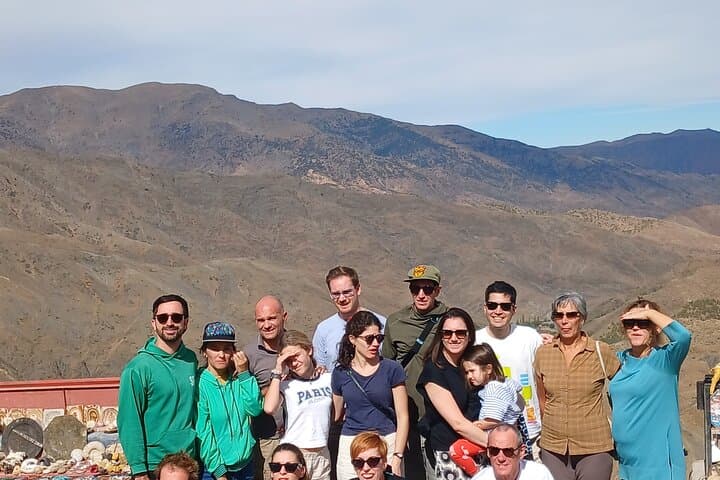
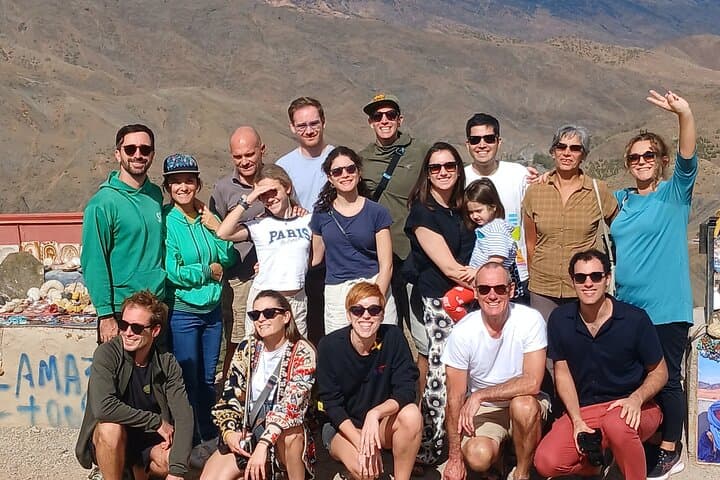
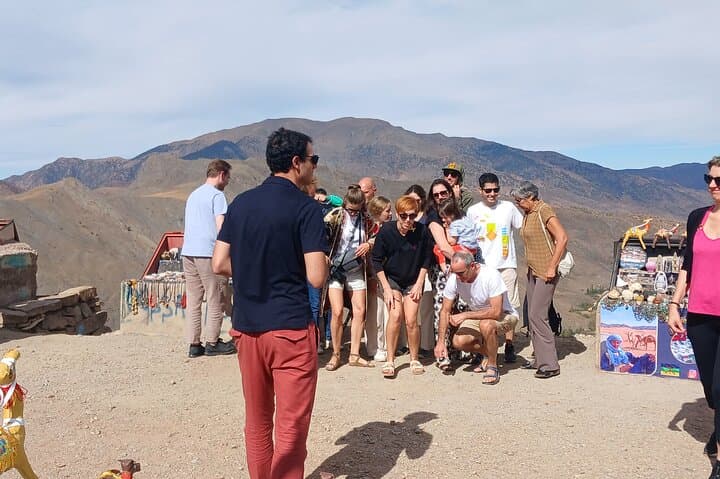
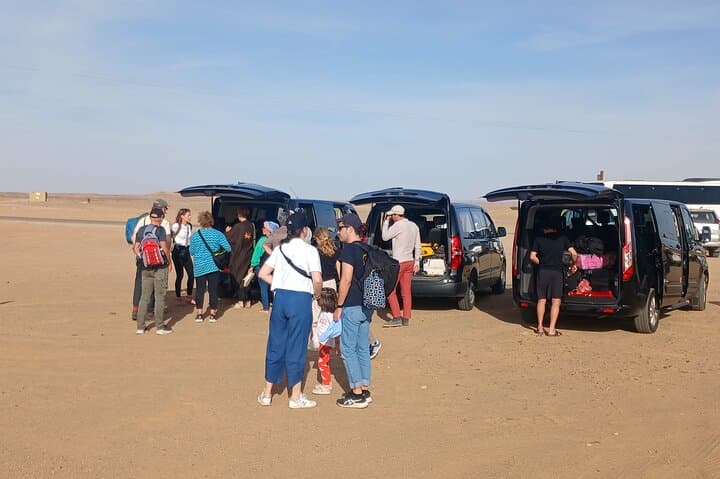
You step out of the medina into the cool diesel-scented air as a private minivan waits to thread the High Atlas. The road climbs, hairpins tighten, and the Tizi n’Tichka pass (about 2,260 m) brings you above red-earth towns into a landscape that dares you to look farther — basalt ridges giving way to ochre valleys and a palm-lined ribbon called the Draa.
You step out of the medina into the cool diesel-scented air as a private minivan waits to thread the High Atlas. The road climbs, hairpins tighten, and the Tizi n’Tichka pass (about 2,260 m) brings you above red-earth towns into a landscape that dares you to look farther — basalt ridges giving way to ochre valleys and a palm-lined ribbon called the Draa.
This three-day route follows centuries-old caravan corridors: kasbahs of rammed earth, Berber villages clinging to gullies, and the long Draa Valley (roughly 1,100 km across Morocco) where date palms mark ancient irrigation. Geologically the Atlas are folded, uplifted ranges carved by winter rains; the Sahara’s dunes are wind-sculpted sand seas that shift nightly.
Practically, expect long driving segments (several hours each day), a short camel trek to camp at sunset (typically ~45–90 minutes), and one night under a desert bivouac with dinner and breakfast. Elevation swings are notable — Marrakech sits near 470 m, passes top out around 2,200+ m, then desert camp is lower and arid.
Bring layered clothing for hot days and cold desert nights, stout footwear for kasbah approaches, sun protection and reusable water; guides on this trip speak English, French and Spanish and handle logistics and local permits. Plan for cash in small bills for tips and village purchases; phone signal is sporadic beyond towns. The rhythm here is simple: travel, watch, walk, sleep beneath a broad sky — the landscape pushes you forward and asks only that you come prepared.