THE ADVENTURE COLLECTIVE® · Independent discovery and booking for outdoor travel

Three days of Mongolian landscapes—ancient capital ruins, granite formations, and the wild Takhi—connected by ger camps and riverside riding. This loop blends culture, short hikes and wildlife-viewing with long but scenic drives from Ulaanbaatar.
Three days of Mongolian landscapes—ancient capital ruins, granite formations, and the wild Takhi—connected by ger camps and riverside riding. This loop blends culture, short hikes and wildlife-viewing with long but scenic drives from Ulaanbaatar.
You step out of Ulaanbaatar’s flat skyline and into a country that changes every hour—open steppe rolling into larch and pine, granite tors shaped like animals, and a wide river that seems to dare you to follow it upstream.
Verified experiences and guided adventures in the surrounding area.
Operated by Mongolian Vision Tours · Ulaanbaatar, Ulaanbaatar
You step out of Ulaanbaatar’s flat skyline and into a country that changes every hour—open steppe rolling into larch and pine, granite tors shaped like animals, and a wide river that seems to dare you to follow it upstream.
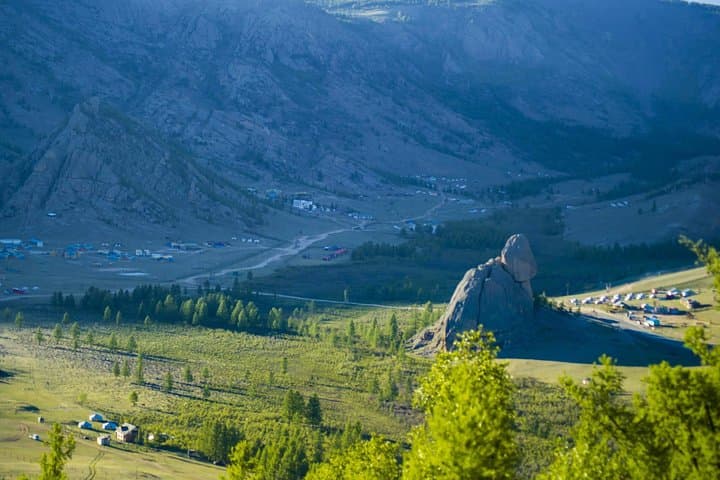
This three-day loop threads history and habitat. Day one crosses 365 km to Kharkhorin (Kharakhorum), the 13th‑century capital whose remaining stonework gives way to Erdene‑Zuu monastery, built on the city’s buried foundations in the 16th century. Geology here is blunt and honest: glacial-age granite sculpted by wind and frost, sand dunes beside mineral springs at Khugnu Khaan, and river valleys that feed the Tuul.
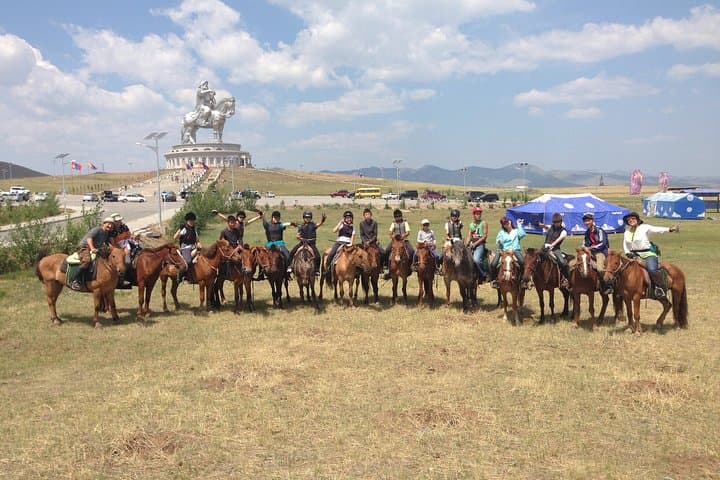
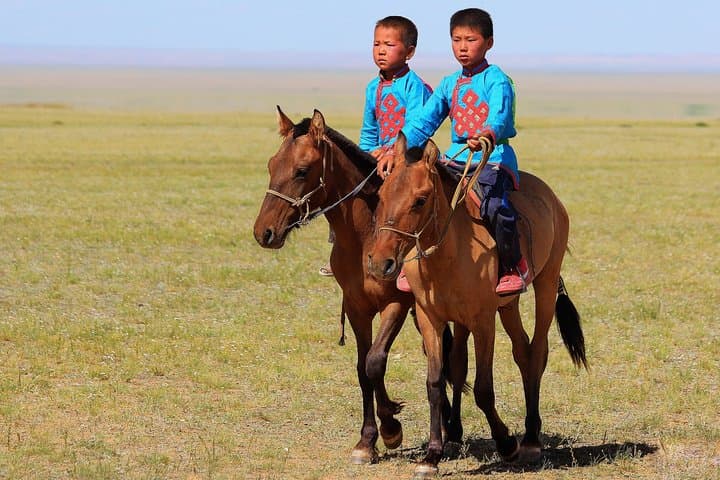
Culture arrives as ger camps, horse and camel rides, and Kazakh hospitality—meals served family-style, stories told late into cold nights. Wildlife is literal: Khustai National Park protects the reintroduced Przewalski’s horse (Takhi) and supports marmots, raptors and argali in a mosaic of steppe and forest.
Practicality matters: expect long drives (Ulaanbaatar–Kharkhorin ~365 km; Kharkhorin–Khugnu Khaan ~100 km; Khugnu Khaan–Khustai ~160 km; Terelj ~75 km back), dirt roads and short day-hikes on mixed terrain. Pack layered clothing for temperature swings, sturdy boots for rocky trails, and cash for small village purchases. Bookings often include ger stays, basic meals and local transfers, but prepare for rustic comforts: hot tea, star-filled nights and frequent wind. Aim for late spring to early fall for the best balance of weather and wildlife viewing.
moderate.
3–4 days.
Suitable for travelers in average physical condition; able to handle short hikes (1–3 hours) and horseback rides plus extended vehicle transfers.
The tour is moderate: each day includes driving and short hikes or 1‑hour horse rides—no technical climbing required; basic mobility is sufficient.
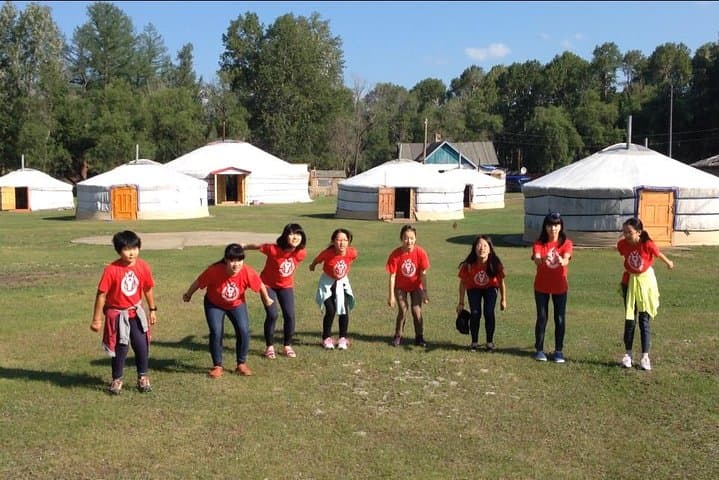
Overnight stays are typically in ger camps or family gers with simple bedding, shared facilities in tourist camps, and hearty local meals included.
Late spring through early fall offers the most active wildlife viewing; mornings and evenings increase chances of sightings.
Foreign visitors generally need a Mongolian visa; park entrance fees are typically included in the tour but confirm with the operator ahead of time.
Kharakhorum (Kharkhorin) was the Mongol Empire’s capital in the 13th century; Erdene-Zuu monastery was built on its ruins in 1586 and later preserved as a museum.
Khustai National Park is a successful Takhi reintroduction site—travelers should follow viewing rules to minimize disturbance and support local conservation efforts.
Mongolian Vision Tours operates guided outdoor trips and adventures with an emphasis on safety, stewardship, and memorable experiences.
You step out of Ulaanbaatar’s flat skyline and into a country that changes every hour—open steppe rolling into larch and pine, granite tors shaped like animals, and a wide river that seems to dare you to follow it upstream.
You step out of Ulaanbaatar’s flat skyline and into a country that changes every hour—open steppe rolling into larch and pine, granite tors shaped like animals, and a wide river that seems to dare you to follow it upstream.
This three-day loop threads history and habitat. Day one crosses 365 km to Kharkhorin (Kharakhorum), the 13th‑century capital whose remaining stonework gives way to Erdene‑Zuu monastery, built on the city’s buried foundations in the 16th century. Geology here is blunt and honest: glacial-age granite sculpted by wind and frost, sand dunes beside mineral springs at Khugnu Khaan, and river valleys that feed the Tuul.
Culture arrives as ger camps, horse and camel rides, and Kazakh hospitality—meals served family-style, stories told late into cold nights. Wildlife is literal: Khustai National Park protects the reintroduced Przewalski’s horse (Takhi) and supports marmots, raptors and argali in a mosaic of steppe and forest.
Practicality matters: expect long drives (Ulaanbaatar–Kharkhorin ~365 km; Kharkhorin–Khugnu Khaan ~100 km; Khugnu Khaan–Khustai ~160 km; Terelj ~75 km back), dirt roads and short day-hikes on mixed terrain. Pack layered clothing for temperature swings, sturdy boots for rocky trails, and cash for small village purchases. Bookings often include ger stays, basic meals and local transfers, but prepare for rustic comforts: hot tea, star-filled nights and frequent wind. Aim for late spring to early fall for the best balance of weather and wildlife viewing.