THE ADVENTURE COLLECTIVE® · Independent discovery and booking for outdoor travel

Three days in Mole National Park combine early game drives, a village walk and a canoe safari—perfect for travelers who want wildlife and cultural exchange without hardcore trekking. Read on for what to expect and how to prepare.
Three days in Mole National Park combine early game drives, a village walk and a canoe safari—perfect for travelers who want wildlife and cultural exchange without hardcore trekking. Read on for what to expect and how to prepare.
Dawn breaks over the dry savanna as the jeep crunches across red dirt toward Mole National Park. Early light strips the horizon into long silhouettes: termite mounds, spindly acacia, and the slow, deliberate shapes of elephants moving toward the water. The guide gestures; the park answers in low rumbles and the sharp calls of hornbills.
Verified experiences and guided adventures in the surrounding area.
Operated by Grassroot Tours Ghana · Damongo, Savannah Region
Dawn breaks over the dry savanna as the jeep crunches across red dirt toward Mole National Park. Early light strips the horizon into long silhouettes: termite mounds, spindly acacia, and the slow, deliberate shapes of elephants moving toward the water. The guide gestures; the park answers in low rumbles and the sharp calls of hornbills.
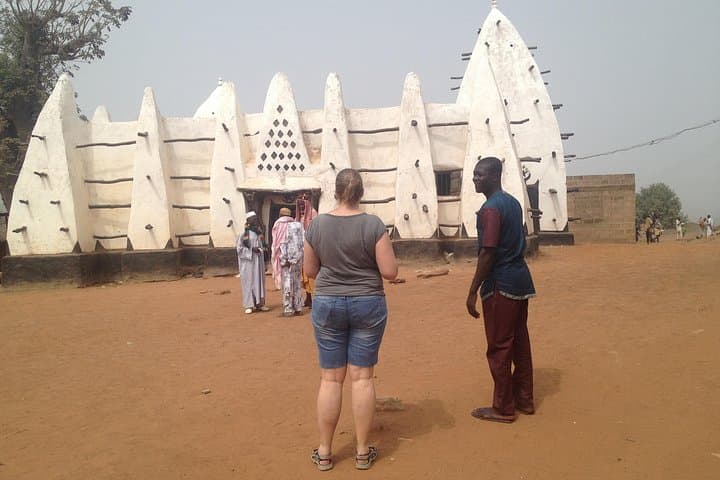
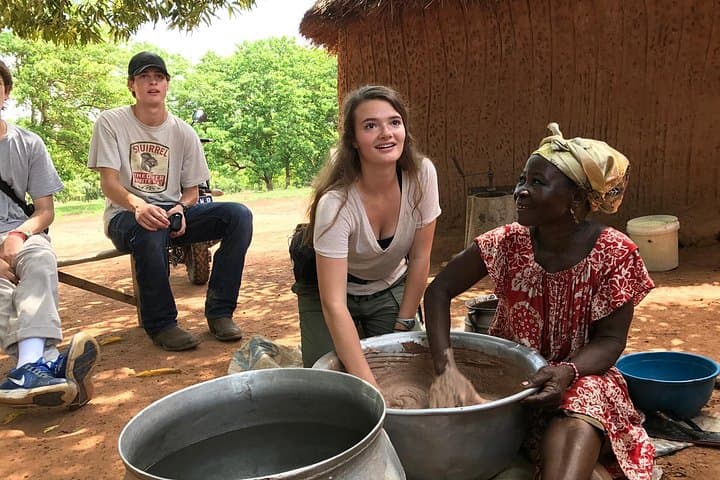
Mole sits on Ghana’s northern plains, a landscape carved by seasonal rivers and ancient sandstone. The park’s history is woven with Larabanga, one of West Africa’s oldest mosques (dating to the 15th century), and with village communities—Mognori and Sognaayilli—whose livelihoods still follow rhythms set by the land. Geology here favors open, grassy corridors where elephants and buffalo range, while gallery forest along river lines concentrates birdlife.
On this three-day grassroots safari expect a mix of early-morning walks and game drives, community-led village walks, and a canoe trip on seasonal waterways. Guides focus on low-impact observation: slow approaches, no chasing, and clear park boundaries. Practicalities matter—mornings are cool and productive for wildlife; afternoons heat up and call for shade, hydration, and a slower pace.
Bring binoculars, sun protection, and insect precautions; wear sturdy shoes for riverbank and village walking. Nights are simple at local lodges; meals are communal and often based on local staples. Respect local customs during village visits, and plan travel time—Tamale to Mole is a multi-hour drive. The experience balances active watching with cultural exchange, letting the landscape and its people set the tempo.
easy.
3 days.
Suitable for most travelers; involves several hours in a vehicle and short walks (under 2–3 miles) over uneven terrain each day.
Expect about 2.5–3 hours by road from Tamale to Mole National Park, depending on traffic and road conditions.
No guarantee, but early morning and late-afternoon drives significantly increase your chances—guides know regular movement corridors.
Yes—this itinerary is rated easy; vehicles and some accommodations are wheelchair and stroller accessible, but check specifics with the operator.
The tour lists national park fees and accommodations as included, but confirm specifics (single room supplements, extra activities) at booking.
Larabanga mosque near the park dates to the 15th century and is an architectural landmark of Sudanic clay-built mosques in northern Ghana.
Mole works with local communities on human-wildlife conflict mitigation and eco-tourism revenue sharing; visitors can minimize impact by staying on trails and following guide rules.
Grassroot Tours Ghana operates guided outdoor trips and adventures with an emphasis on safety, stewardship, and memorable experiences.
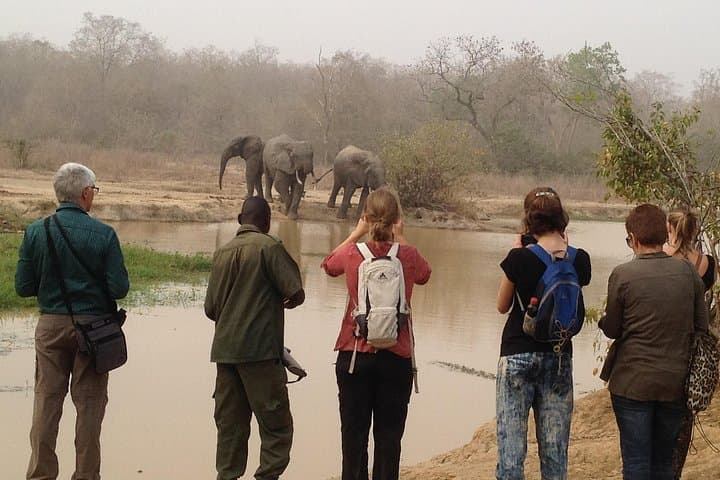
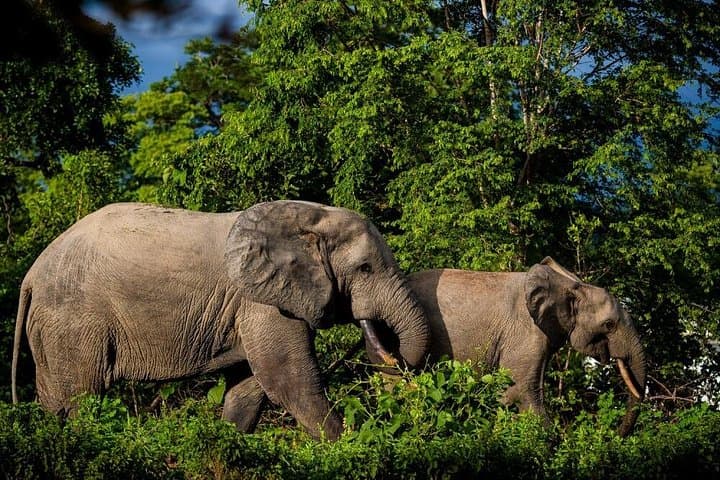
Dawn breaks over the dry savanna as the jeep crunches across red dirt toward Mole National Park. Early light strips the horizon into long silhouettes: termite mounds, spindly acacia, and the slow, deliberate shapes of elephants moving toward the water. The guide gestures; the park answers in low rumbles and the sharp calls of hornbills.
Dawn breaks over the dry savanna as the jeep crunches across red dirt toward Mole National Park. Early light strips the horizon into long silhouettes: termite mounds, spindly acacia, and the slow, deliberate shapes of elephants moving toward the water. The guide gestures; the park answers in low rumbles and the sharp calls of hornbills.
Mole sits on Ghana’s northern plains, a landscape carved by seasonal rivers and ancient sandstone. The park’s history is woven with Larabanga, one of West Africa’s oldest mosques (dating to the 15th century), and with village communities—Mognori and Sognaayilli—whose livelihoods still follow rhythms set by the land. Geology here favors open, grassy corridors where elephants and buffalo range, while gallery forest along river lines concentrates birdlife.
On this three-day grassroots safari expect a mix of early-morning walks and game drives, community-led village walks, and a canoe trip on seasonal waterways. Guides focus on low-impact observation: slow approaches, no chasing, and clear park boundaries. Practicalities matter—mornings are cool and productive for wildlife; afternoons heat up and call for shade, hydration, and a slower pace.
Bring binoculars, sun protection, and insect precautions; wear sturdy shoes for riverbank and village walking. Nights are simple at local lodges; meals are communal and often based on local staples. Respect local customs during village visits, and plan travel time—Tamale to Mole is a multi-hour drive. The experience balances active watching with cultural exchange, letting the landscape and its people set the tempo.