THE ADVENTURE COLLECTIVE® · Independent discovery and booking for outdoor travel

Spend three days in Ghana’s largest wildlife reserve, combining jeep safaris, a morning walking game walk, and an eco-canoe trip with cultural stops like Larabanga Mosque. Practical comforts and big-sky wildlife viewing make this a condensed but authentic northern Ghana adventure.
Spend three days in Ghana’s largest wildlife reserve, combining jeep safaris, a morning walking game walk, and an eco-canoe trip with cultural stops like Larabanga Mosque. Practical comforts and big-sky wildlife viewing make this a condensed but authentic northern Ghana adventure.
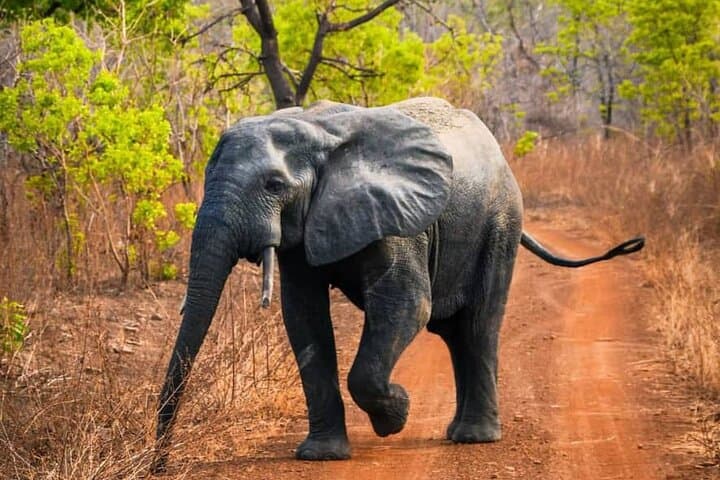
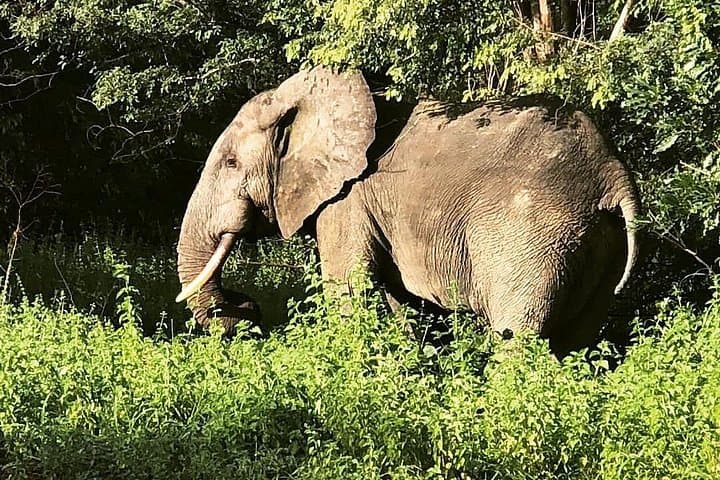
Dawn arrives across the savannah like a slow exhale — long shadows, a red sun, and the distant silhouettes of elephants moving toward a watering hole. On a 3-day Mole National Park safari you trade asphalt for dusty tracks, watching herds graze and hornbills wheel above termite mounds that punctuate the plain.
Verified experiences and guided adventures in the surrounding area.
Operated by Best Ghana Tours · Tamale, Northern Region
Dawn arrives across the savannah like a slow exhale — long shadows, a red sun, and the distant silhouettes of elephants moving toward a watering hole. On a 3-day Mole National Park safari you trade asphalt for dusty tracks, watching herds graze and hornbills wheel above termite mounds that punctuate the plain.
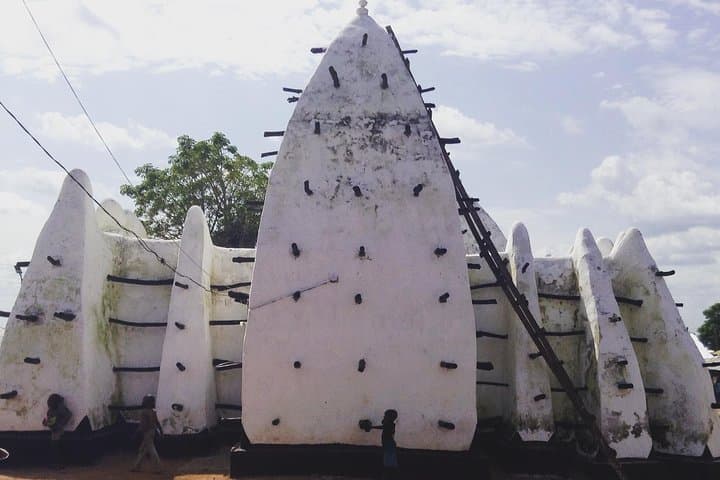
Mole is Ghana’s largest wildlife reserve, created in the mid-20th century to protect West Africa’s classic dry-forest and savannah mosaic. The park’s geology is dominated by sandy, lateritic soils and low-lying hills, a landscape carved by seasonal rivers that dare you to follow their braided courses. Cultural stops thread through the itinerary: Larabanga’s mud-and-stick mosque (built around 1421) sits on an old trans-Saharan trade route, while nearby villages maintain Shea-processing, blacksmithing and canoe traditions.
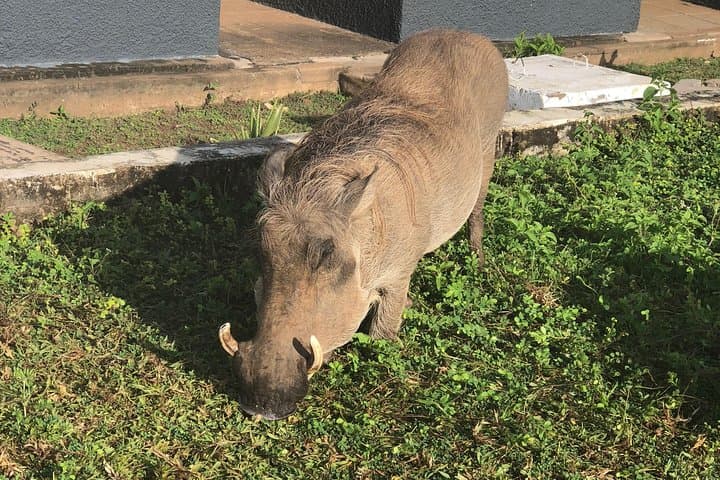
Expect guided jeep safaris at sunset, short morning walking safaris, and an eco-canoe trip on the Mole River for birdwatching and village visits. Accommodation in the package is air-conditioned lodgings with private bathrooms and a pool — practical comfort after long drives and early starts. Wildlife highlights include elephants, warthogs, kobs, baboons and prolific birdlife; sightings aren’t guaranteed but the park’s scale increases your chances.
Practical notes: travel by internal flight to Tamale, then a two-hour road transfer; bring sun protection, good walking shoes, mosquito repellent and a small daypack. Best game viewing is at dawn and dusk; schedule photography and river visits around those windows. Respect local communities during village stops and carry cash for small purchases of Shea products and handicrafts.
moderate.
3 days (approx. 72 hours).
Light to moderate fitness; able to walk 1–2 hours over uneven ground and tolerate dusty, bumpy road transfers.
This package includes round-trip domestic flights Accra–Tamale plus private transfers; Tamale is the usual gateway and the road to Mole is about a two-hour drive.
Walking safaris here are short (around 1–2 hours) on relatively flat ground; they’re suitable for most people in reasonable health but not recommended for those with severe mobility issues.
Yellow fever vaccination is required for entry to Ghana for many travelers; malaria prophylaxis is advised and you should consult a travel clinic for personalized recommendations.
Mole has a resident elephant population, but wildlife sightings depend on season, time of day and luck; morning and evening safaris maximize chances.
Mole was established in the mid-20th century to protect savannah species and remains Ghana’s largest protected area, intersecting traditional village lands and old trade routes.
Park management balances tourism with community livelihoods; support local guides and buy Shea or craft products directly to help fund conservation and local economies.
Best Ghana Tours operates guided outdoor trips and adventures with an emphasis on safety, stewardship, and memorable experiences.
Dawn arrives across the savannah like a slow exhale — long shadows, a red sun, and the distant silhouettes of elephants moving toward a watering hole. On a 3-day Mole National Park safari you trade asphalt for dusty tracks, watching herds graze and hornbills wheel above termite mounds that punctuate the plain.
Dawn arrives across the savannah like a slow exhale — long shadows, a red sun, and the distant silhouettes of elephants moving toward a watering hole. On a 3-day Mole National Park safari you trade asphalt for dusty tracks, watching herds graze and hornbills wheel above termite mounds that punctuate the plain.
Mole is Ghana’s largest wildlife reserve, created in the mid-20th century to protect West Africa’s classic dry-forest and savannah mosaic. The park’s geology is dominated by sandy, lateritic soils and low-lying hills, a landscape carved by seasonal rivers that dare you to follow their braided courses. Cultural stops thread through the itinerary: Larabanga’s mud-and-stick mosque (built around 1421) sits on an old trans-Saharan trade route, while nearby villages maintain Shea-processing, blacksmithing and canoe traditions.
Expect guided jeep safaris at sunset, short morning walking safaris, and an eco-canoe trip on the Mole River for birdwatching and village visits. Accommodation in the package is air-conditioned lodgings with private bathrooms and a pool — practical comfort after long drives and early starts. Wildlife highlights include elephants, warthogs, kobs, baboons and prolific birdlife; sightings aren’t guaranteed but the park’s scale increases your chances.
Practical notes: travel by internal flight to Tamale, then a two-hour road transfer; bring sun protection, good walking shoes, mosquito repellent and a small daypack. Best game viewing is at dawn and dusk; schedule photography and river visits around those windows. Respect local communities during village stops and carry cash for small purchases of Shea products and handicrafts.