THE ADVENTURE COLLECTIVE® · Independent discovery and booking for outdoor travel

Glide silently through papyrus channels, camp on island flats and learn traditional mokoro poling on this intimate 3-day Okavango Delta safari. Expect close wildlife encounters, exceptional birding, and nights under a wide southern sky.
Glide silently through papyrus channels, camp on island flats and learn traditional mokoro poling on this intimate 3-day Okavango Delta safari. Expect close wildlife encounters, exceptional birding, and nights under a wide southern sky.
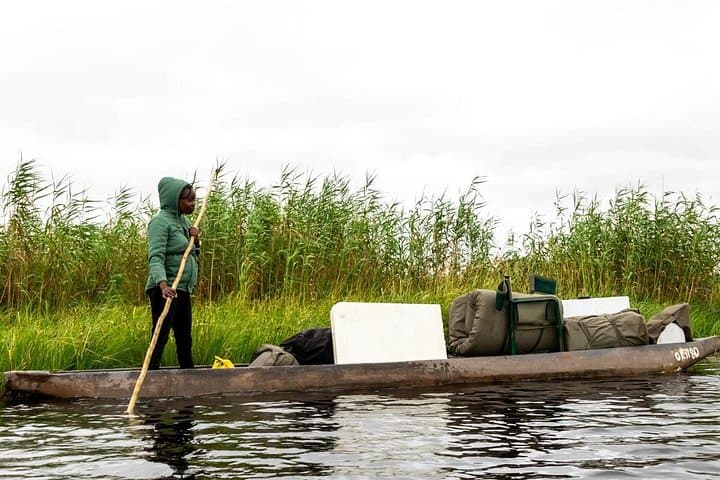
You push off from a reedy bank and the mokoro slips forward with a whisper — water daring you to move slower than the wildlife. Papyrus edges blur into open channels, and the poler’s steady rhythm becomes the pulse of the Delta as you glide between islands, each rise of grass revealing a grazing antelope or a bobbing hippo eye.
Verified experiences and guided adventures in the surrounding area.
Operated by Crocodile Tears Safaris · Maun, North-West District
You push off from a reedy bank and the mokoro slips forward with a whisper — water daring you to move slower than the wildlife. Papyrus edges blur into open channels, and the poler’s steady rhythm becomes the pulse of the Delta as you glide between islands, each rise of grass revealing a grazing antelope or a bobbing hippo eye.
The Okavango Delta is an inland river delta created where the Okavango River fans out into a labyrinth of seasonal channels and wetlands. This UNESCO site has supported communities for generations; local polers still use traditional dugout canoes and pass down knowledge about flood cycles, fishing, and seasonal bird movements. Geologically, the Delta is a shallow basin whose annual flood reconfigures channels, concentrating game and offering dramatic seasonal contrasts.
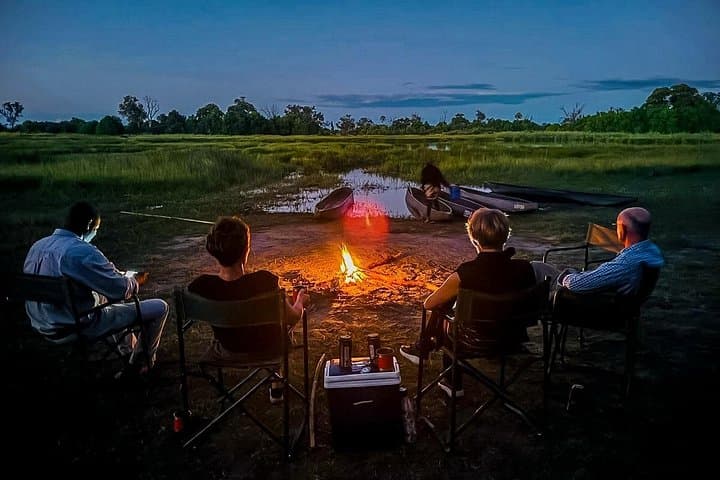
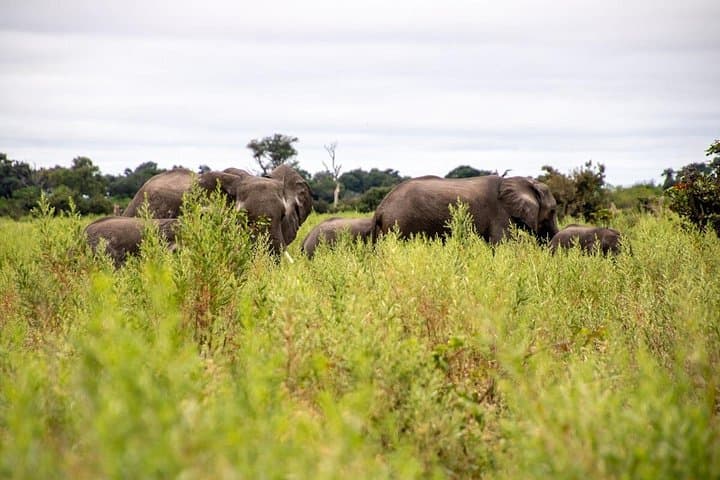
Over three days you’ll alternate silent mokoro rides with guided island walks, camping in dome tents on higher ground. Expect close-range birding — African fish eagles, lilac-breasted rollers — and sightings of elephants, reedbuck, and possibly sitatunga near marshy edges. Nights are dark and large with stars; the Delta’s sounds act like a living map, guiding your senses.
Practical side: travel light and waterproof your kit; balance and modest agility help for getting in and out of a mokoro. Bring binoculars, high-SPF sun protection, and insect repellent. Water levels and wildlife concentration shift with the flood; the best viewing is often early morning and late afternoon. Respect local guides, follow Leave No Trace practices, and be ready for an intimate, low-impact wilderness experience.
moderate.
3 days.
Suitable for travelers in average physical condition who can walk on uneven ground, sit in low canoes, and carry a small daypack.
The itinerary is rated accessible for most adults; you’ll do short guided walks on uneven ground and board low mokoros, so basic mobility and balance are required.
Expect abundant birdlife, hippos in channels, and frequent sightings of antelope and sometimes elephants; sightings depend on season and water levels.
Meals listed (breakfast, lunch, dinner) are included; guided teams generally supply drinking water — bring a refillable bottle and purification tablets if you prefer filtered water.
Dry season (May–October) concentrates wildlife and offers easier travel by mokoro; wet season brings higher water, dramatic birding, and more mosquitoes.
Local communities have used mokoro for generations; the Delta’s seasonal floodplain has shaped livelihoods and settlement patterns for centuries and is now protected as a UNESCO World Heritage Site.
Low-impact camping and small-group mokoro travel minimize disturbance; stick to paths, avoid removing plants, and follow guides’ instructions to protect fragile wetlands.
Crocodile Tears Safaris operates guided outdoor trips and adventures with an emphasis on safety, stewardship, and memorable experiences.
You push off from a reedy bank and the mokoro slips forward with a whisper — water daring you to move slower than the wildlife. Papyrus edges blur into open channels, and the poler’s steady rhythm becomes the pulse of the Delta as you glide between islands, each rise of grass revealing a grazing antelope or a bobbing hippo eye.
You push off from a reedy bank and the mokoro slips forward with a whisper — water daring you to move slower than the wildlife. Papyrus edges blur into open channels, and the poler’s steady rhythm becomes the pulse of the Delta as you glide between islands, each rise of grass revealing a grazing antelope or a bobbing hippo eye.
The Okavango Delta is an inland river delta created where the Okavango River fans out into a labyrinth of seasonal channels and wetlands. This UNESCO site has supported communities for generations; local polers still use traditional dugout canoes and pass down knowledge about flood cycles, fishing, and seasonal bird movements. Geologically, the Delta is a shallow basin whose annual flood reconfigures channels, concentrating game and offering dramatic seasonal contrasts.
Over three days you’ll alternate silent mokoro rides with guided island walks, camping in dome tents on higher ground. Expect close-range birding — African fish eagles, lilac-breasted rollers — and sightings of elephants, reedbuck, and possibly sitatunga near marshy edges. Nights are dark and large with stars; the Delta’s sounds act like a living map, guiding your senses.
Practical side: travel light and waterproof your kit; balance and modest agility help for getting in and out of a mokoro. Bring binoculars, high-SPF sun protection, and insect repellent. Water levels and wildlife concentration shift with the flood; the best viewing is often early morning and late afternoon. Respect local guides, follow Leave No Trace practices, and be ready for an intimate, low-impact wilderness experience.