THE ADVENTURE COLLECTIVE® · Independent discovery and booking for outdoor travel

Three days in Mikumi National Park delivers full-day and dawn game drives from Dar es Salaam, with options to sleep inside the park. Expect open-top 4x4s, concentrated wildlife on the Mkata Floodplain, and straightforward logistics for first-time safari-goers.
Three days in Mikumi National Park delivers full-day and dawn game drives from Dar es Salaam, with options to sleep inside the park. Expect open-top 4x4s, concentrated wildlife on the Mkata Floodplain, and straightforward logistics for first-time safari-goers.
The sun lifts off the horizon and spills gold across the Mkata Floodplain as a 4x4 eases onto a track—tall grass parts like a curtain and a distant elephant silhouette slows its pace to watch. Over three days, the savanna will push you into wide, open views and close encounters: lions thermoregulating on termite mounds, giraffes picking high foliage, and flocks of hornbills punctuating the sky.
Verified experiences and guided adventures in the surrounding area.
Operated by African Pangolin Safaris · Mikumi, Morogoro Region
The sun lifts off the horizon and spills gold across the Mkata Floodplain as a 4x4 eases onto a track—tall grass parts like a curtain and a distant elephant silhouette slows its pace to watch. Over three days, the savanna will push you into wide, open views and close encounters: lions thermoregulating on termite mounds, giraffes picking high foliage, and flocks of hornbills punctuating the sky.
Mikumi National Park covers about 3,230 km² and sits north of the Selous Game Reserve. Established in 1964 and expanded in 1975, the park’s flat plains and seasonal rivers cut through ancient geology shaped by tectonic rifts and later alluvial deposits. Local cultures in Morogoro and surrounding villages have long coexisted with these rhythms—seasonal grazing and traditional land use remain visible at park edges.
Practically, this is a grounded, accessible safari. Expect roughly five hours’ road transfer from Dar es Salaam in a pop-up roof 4x4, two full days of guided game drives (including an optional dawn drive), and accommodation either inside the park (park cottages) or nearby safari lodges. National park fees and bottled water are typically included; bring cash for tips and extras.
Pack binoculars, sun protection, lightweight layers for cool mornings, and a camera with a long lens. Drive times can be dusty; wear closed shoes and keep a refillable water bottle. For timing, the dry season concentrates wildlife on waterholes and delivers cleaner viewing; the wet season brings newborns and abundant birdlife. Guides manage game logistics—follow their instructions for safety around large mammals.
This three-day loop is straightforward but rich: it’s about being present where the plains dictate the pace, and where each drive can reveal a different side of East Africa’s wildlife.
easy.
3 days.
Suitable for travelers with basic mobility; long vehicle transfers require patience rather than fitness
The transfer is about 4–6 hours by road (roughly 300 km depending on route and traffic); operators typically schedule a lunch stop in Morogoro.
This itinerary commonly includes Tanzanian National Park fees—confirm at booking as some operators itemize them separately.
The tour is suitable for children and most fitness levels, but long road transfers and bumpy tracks may be uncomfortable for those with mobility limitations; check vehicle accessibility and seat options.
The dry season (June–October) concentrates animals around waterholes for easier viewing; the wet season (November–May) brings newborns and abundant birdlife but can make some tracks muddy.
Mikumi was established in 1964 and expanded in 1975; its location adjacent to the Selous connects it ecologically to larger southern Tanzanian conservation areas.
Human-wildlife coexistence and anti-poaching efforts are ongoing; visitors reduce impact by following park rules, minimizing single-use plastics, and supporting licensed guides and lodges.
African Pangolin Safaris operates guided outdoor trips and adventures with an emphasis on safety, stewardship, and memorable experiences.
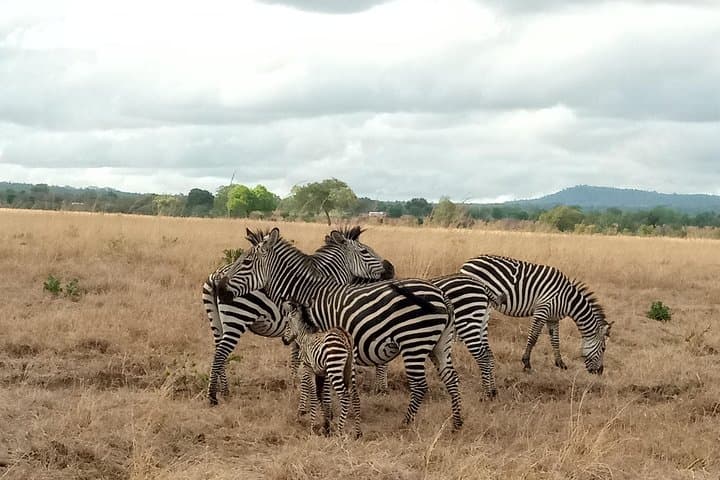
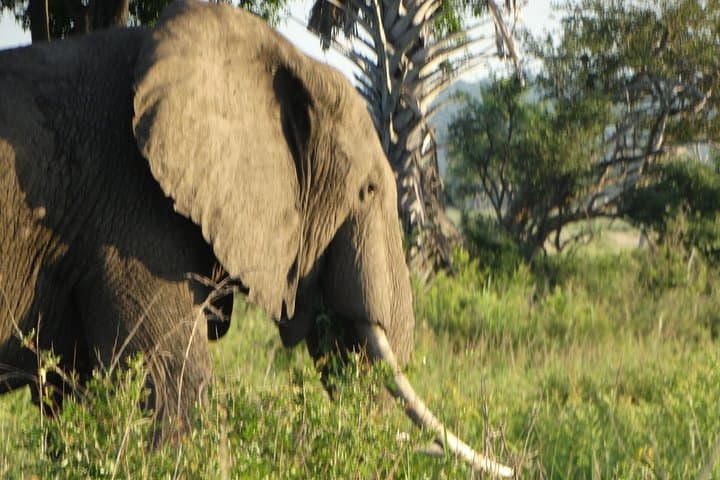
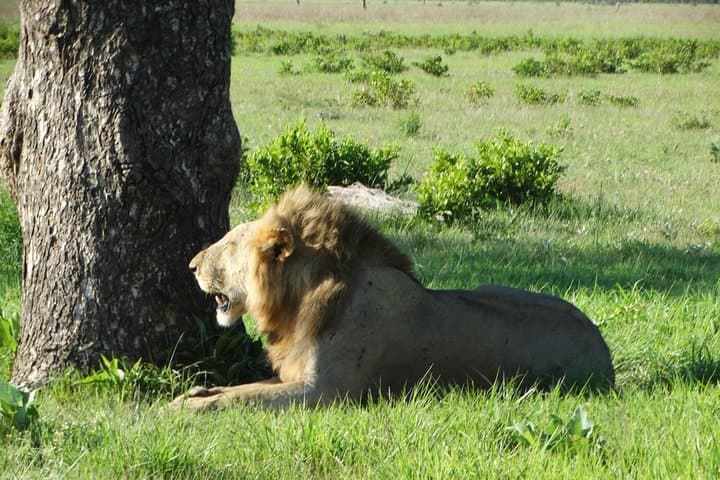
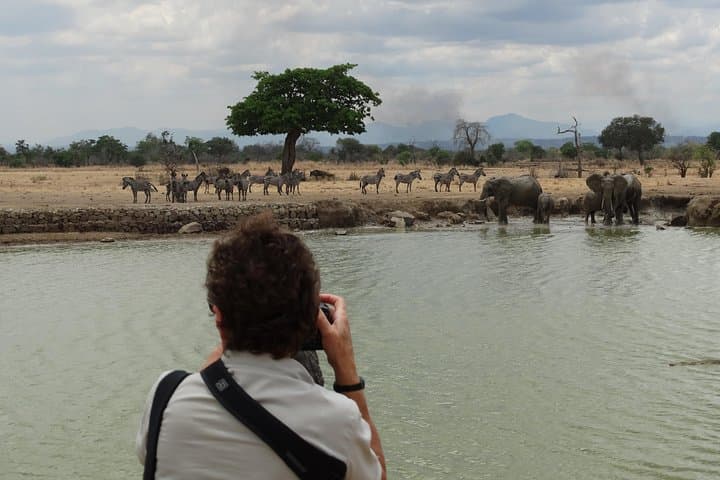
The sun lifts off the horizon and spills gold across the Mkata Floodplain as a 4x4 eases onto a track—tall grass parts like a curtain and a distant elephant silhouette slows its pace to watch. Over three days, the savanna will push you into wide, open views and close encounters: lions thermoregulating on termite mounds, giraffes picking high foliage, and flocks of hornbills punctuating the sky.
The sun lifts off the horizon and spills gold across the Mkata Floodplain as a 4x4 eases onto a track—tall grass parts like a curtain and a distant elephant silhouette slows its pace to watch. Over three days, the savanna will push you into wide, open views and close encounters: lions thermoregulating on termite mounds, giraffes picking high foliage, and flocks of hornbills punctuating the sky.
Mikumi National Park covers about 3,230 km² and sits north of the Selous Game Reserve. Established in 1964 and expanded in 1975, the park’s flat plains and seasonal rivers cut through ancient geology shaped by tectonic rifts and later alluvial deposits. Local cultures in Morogoro and surrounding villages have long coexisted with these rhythms—seasonal grazing and traditional land use remain visible at park edges.
Practically, this is a grounded, accessible safari. Expect roughly five hours’ road transfer from Dar es Salaam in a pop-up roof 4x4, two full days of guided game drives (including an optional dawn drive), and accommodation either inside the park (park cottages) or nearby safari lodges. National park fees and bottled water are typically included; bring cash for tips and extras.
Pack binoculars, sun protection, lightweight layers for cool mornings, and a camera with a long lens. Drive times can be dusty; wear closed shoes and keep a refillable water bottle. For timing, the dry season concentrates wildlife on waterholes and delivers cleaner viewing; the wet season brings newborns and abundant birdlife. Guides manage game logistics—follow their instructions for safety around large mammals.
This three-day loop is straightforward but rich: it’s about being present where the plains dictate the pace, and where each drive can reveal a different side of East Africa’s wildlife.