THE ADVENTURE COLLECTIVE® · Independent discovery and booking for outdoor travel

Three full days of game drives across Tarangire, Lake Manyara and the Ngorongoro Crater—big herds, flamingo-studded shores and a collapsed volcano filled with wildlife. This mid-range safari pairs dependable viewing with comfortable lodge nights.
Three full days of game drives across Tarangire, Lake Manyara and the Ngorongoro Crater—big herds, flamingo-studded shores and a collapsed volcano filled with wildlife. This mid-range safari pairs dependable viewing with comfortable lodge nights.
Heat rises off the red earth as the Land Cruiser noses past baobabs and acacia—elephants kick up dust like punctuation marks on the savanna.
Verified experiences and guided adventures in the surrounding area.
Operated by Safari Njema Adventures · Arusha, Arusha Region
Heat rises off the red earth as the Land Cruiser noses past baobabs and acacia—elephants kick up dust like punctuation marks on the savanna.
Over three days this mid-range safari threads the Northern Circuit: Tarangire’s elephant-packed plains, Lake Manyara’s wetland edge and tree-studded forest, and the vertiginous bowl of the Ngorongoro Crater. Geology writes the route: the Great Rift Valley’s tilt and a volcanic collapse two to three million years ago that created the crater’s closed ecosystem. Culture appears in small ways—Maasai herders on the distant ridgelines and guides fluent in local ecology and Swahili.
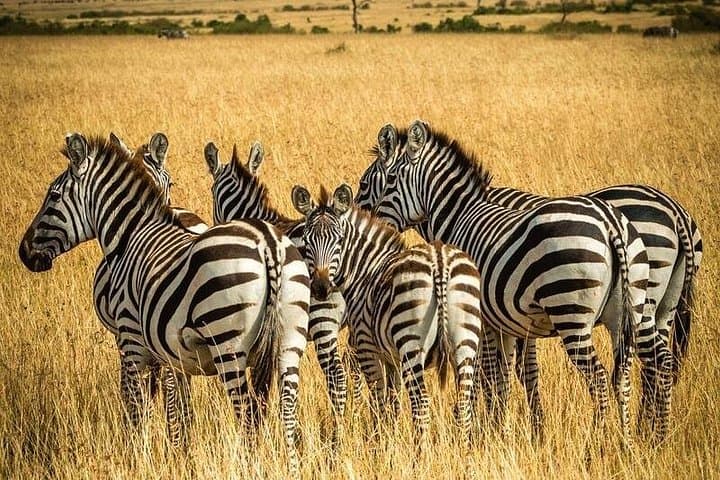
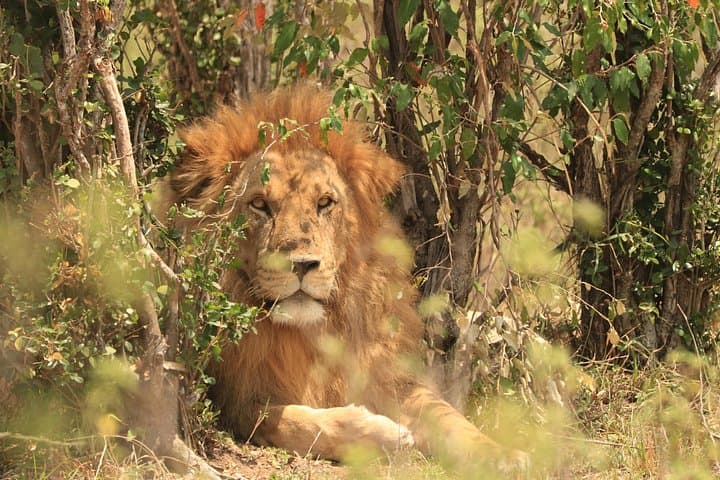
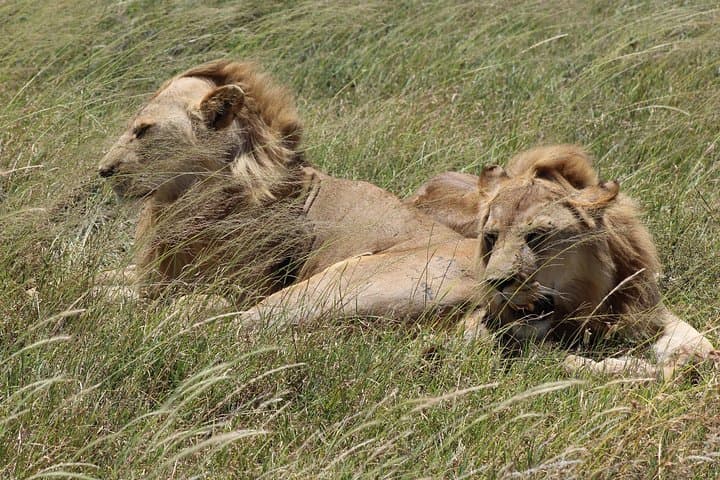
Tarangire’s river and seasonal swamps act like a wildlife magnet in the dry months (June–October), concentrating herds and predators among giant baobabs. Lake Manyara offers a contrast—lakeshore birds, pelicans and the occasional tree-climbing lion. Ngorongoro’s descent sweeps through montane forest onto an open caldera floor where grazing plains, marsh and a soda lake support large concentrations of species.
Practical guidance: expect early departures for the crater, pop-up-roof vehicles for unobstructed viewing, and picnic lunches inside park areas. Wear neutral, sun-protective clothing and sturdy shoes for short walks at viewpoints; bring binoculars and sunscreen. Malaria prophylaxis and routine vaccinations are recommended—ask a travel health professional. Respect local rules: stay in vehicles unless guided to a walking area, keep distance from animals, and follow guide instructions.
This itinerary balances reliable wildlife viewing with comfortable lodges, making it a strong choice for travelers who want immersive safari days without camping.
moderate.
3 days.
Suitable for travelers in average fitness; most time is spent in vehicle with short, easy walks at viewpoints.
Park entrance fees vary by park and operator; confirm with the tour provider whether fees are included in the quoted price.
Safaris use 4x4 vehicles with pop-up roofs for unobstructed game viewing and photography.
The tour accepts families but infants are required to sit on an adult’s lap; check age restrictions and safety guidance with the operator.
Travelers should check visa requirements and seek travel-health advice for recommended vaccinations and malaria prevention before departure.
The Ngorongoro Crater formed when a massive volcano collapsed millennia ago; the region has long been inhabited by pastoralist Maasai communities who still use surrounding highlands for grazing.
All parks operate under Tanzania National Parks rules focused on habitat protection and regulated tourism; visitors should minimize waste, avoid off-road driving, and support guides who follow responsible wildlife viewing practices.
Safari Njema Adventures operates guided outdoor trips and adventures with an emphasis on safety, stewardship, and memorable experiences.
Heat rises off the red earth as the Land Cruiser noses past baobabs and acacia—elephants kick up dust like punctuation marks on the savanna.
Heat rises off the red earth as the Land Cruiser noses past baobabs and acacia—elephants kick up dust like punctuation marks on the savanna.
Over three days this mid-range safari threads the Northern Circuit: Tarangire’s elephant-packed plains, Lake Manyara’s wetland edge and tree-studded forest, and the vertiginous bowl of the Ngorongoro Crater. Geology writes the route: the Great Rift Valley’s tilt and a volcanic collapse two to three million years ago that created the crater’s closed ecosystem. Culture appears in small ways—Maasai herders on the distant ridgelines and guides fluent in local ecology and Swahili.
Tarangire’s river and seasonal swamps act like a wildlife magnet in the dry months (June–October), concentrating herds and predators among giant baobabs. Lake Manyara offers a contrast—lakeshore birds, pelicans and the occasional tree-climbing lion. Ngorongoro’s descent sweeps through montane forest onto an open caldera floor where grazing plains, marsh and a soda lake support large concentrations of species.
Practical guidance: expect early departures for the crater, pop-up-roof vehicles for unobstructed viewing, and picnic lunches inside park areas. Wear neutral, sun-protective clothing and sturdy shoes for short walks at viewpoints; bring binoculars and sunscreen. Malaria prophylaxis and routine vaccinations are recommended—ask a travel health professional. Respect local rules: stay in vehicles unless guided to a walking area, keep distance from animals, and follow guide instructions.
This itinerary balances reliable wildlife viewing with comfortable lodges, making it a strong choice for travelers who want immersive safari days without camping.