THE ADVENTURE COLLECTIVE® · Independent discovery and booking for outdoor travel

Board an early coach from Athens and arrive amid the vertical cliffs of Meteora—ancient sandstone towers topped by centuries-old monasteries. This three-day itinerary pairs guided monastery visits, a museum stop, and optional hikes through the rock forest.
Board an early coach from Athens and arrive amid the vertical cliffs of Meteora—ancient sandstone towers topped by centuries-old monasteries. This three-day itinerary pairs guided monastery visits, a museum stop, and optional hikes through the rock forest.
The bus slips out of Athens before dawn and the lowlands open into rolling olive groves; then, without warning, the landscape rises into a forest of stone towers. Meteora’s pillars push skyward like giant columns daring you to come close, and the monasteries perch on their crowns as if the wind itself had lifted them there.
Verified experiences and guided adventures in the surrounding area.
Operated by Meteora Trip · Kalambaka, Thessaly
The bus slips out of Athens before dawn and the lowlands open into rolling olive groves; then, without warning, the landscape rises into a forest of stone towers. Meteora’s pillars push skyward like giant columns daring you to come close, and the monasteries perch on their crowns as if the wind itself had lifted them there.
Geology here is blunt and old: sandstone and conglomerate deposited in a prehistoric river delta were uplifted and eroded into the stacked pillars you’ll walk among. Culturally, Meteora became a monastic refuge in the 14th century, when hermit monks hauled materials up rope-and-pulley systems to build isolated communities. Kalambaka, the town at the valley floor, grew around that history and now hosts visitors, small museums (notably the Mushroom & Natural History Museum) and local tavernas.
Expect stairs and short steep paths—the trail to the Holy Trinity includes roughly 145 carved steps—alongside easier access at St. Stephen’s via a small stone bridge. Entrance fees are typically paid in cash (about €5 per monastery) and dress codes are enforced: men long trousers and shirts, women skirts below the knee or a wrap.
Practical pointers: bring grippy shoes for uneven steps, carry water and layers for sudden weather changes, and plan sunrise or sunset viewpoints for the most dramatic light. Guided mornings focus on history and frescoes; afternoon hikes explore lesser-used trails. With a sensible pace, daylight planning, and respect for monastery rules, this three-day loop from Athens delivers both cinematic views and a clear sense of why Meteora remains a living cultural landscape.
moderate.
3 days.
Good walking fitness for repeated short ascents and stairs; everyday activity level is usually sufficient.
Very: men must wear long trousers and shirts with sleeves; women must wear skirts below the knee or use a long scarf to cover knees and shoulders—carry a wrap to avoid being turned away.
Not usually—entrance fees (€~5 per monastery) are paid on-site in cash; the tour cites included museum entry but expect to pay for individual monasteries unless stated otherwise.
Some monasteries like St. Stephen’s are more accessible, but many sites require stairs and uneven paths; contact the operator about specific access needs and stroller limitations.
Sunrise and sunset offer the most dramatic light on the pillars; mornings tend to be quieter for shots without crowds.
Meteora’s monasteries were founded by ascetic monks from the 14th century who used ropes and ladders to access the pillar tops; many buildings contain Byzantine frescoes and centuries of monastic archives.
As a UNESCO World Heritage Site, Meteora faces visitor-pressure issues—stick to marked trails, avoid touching frescoes, and carry out all trash to help protect both cultural and natural values.
Meteora Trip operates guided outdoor trips and adventures with an emphasis on safety, stewardship, and memorable experiences.
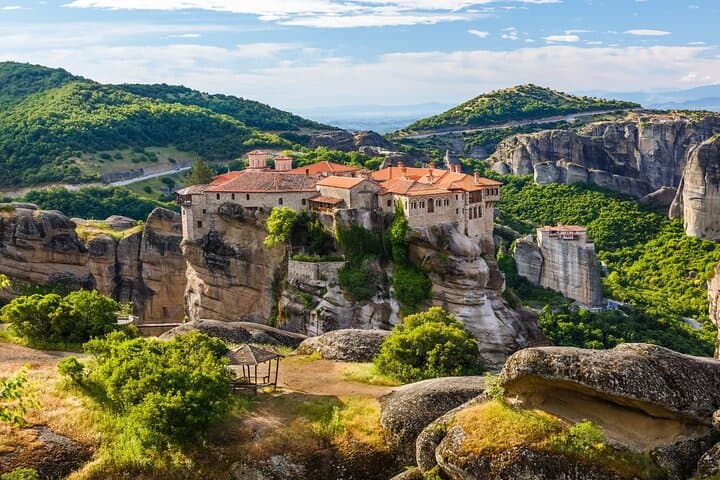
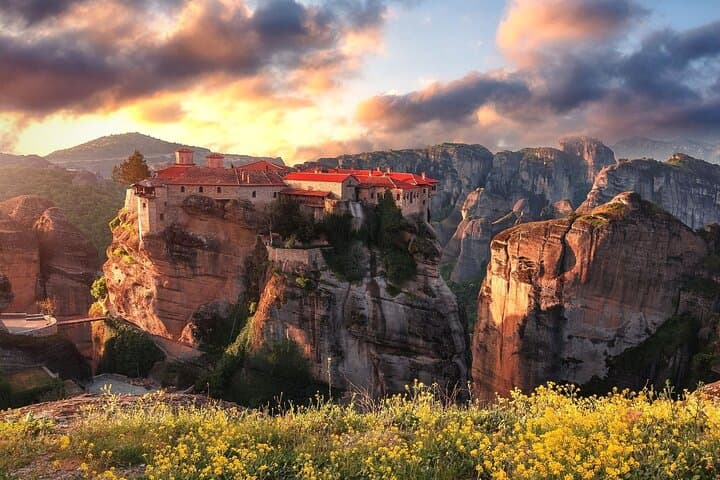
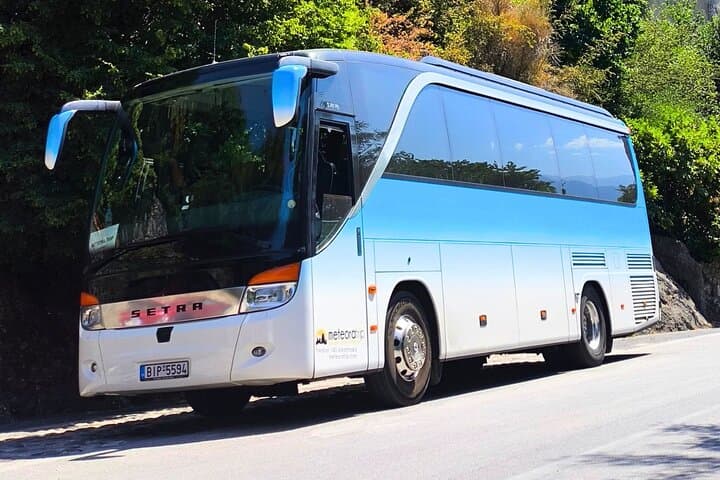
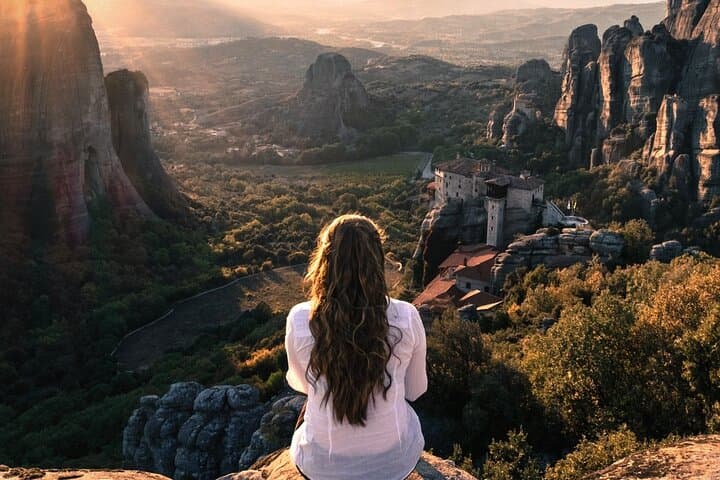
The bus slips out of Athens before dawn and the lowlands open into rolling olive groves; then, without warning, the landscape rises into a forest of stone towers. Meteora’s pillars push skyward like giant columns daring you to come close, and the monasteries perch on their crowns as if the wind itself had lifted them there.
The bus slips out of Athens before dawn and the lowlands open into rolling olive groves; then, without warning, the landscape rises into a forest of stone towers. Meteora’s pillars push skyward like giant columns daring you to come close, and the monasteries perch on their crowns as if the wind itself had lifted them there.
Geology here is blunt and old: sandstone and conglomerate deposited in a prehistoric river delta were uplifted and eroded into the stacked pillars you’ll walk among. Culturally, Meteora became a monastic refuge in the 14th century, when hermit monks hauled materials up rope-and-pulley systems to build isolated communities. Kalambaka, the town at the valley floor, grew around that history and now hosts visitors, small museums (notably the Mushroom & Natural History Museum) and local tavernas.
Expect stairs and short steep paths—the trail to the Holy Trinity includes roughly 145 carved steps—alongside easier access at St. Stephen’s via a small stone bridge. Entrance fees are typically paid in cash (about €5 per monastery) and dress codes are enforced: men long trousers and shirts, women skirts below the knee or a wrap.
Practical pointers: bring grippy shoes for uneven steps, carry water and layers for sudden weather changes, and plan sunrise or sunset viewpoints for the most dramatic light. Guided mornings focus on history and frescoes; afternoon hikes explore lesser-used trails. With a sensible pace, daylight planning, and respect for monastery rules, this three-day loop from Athens delivers both cinematic views and a clear sense of why Meteora remains a living cultural landscape.