THE ADVENTURE COLLECTIVE® · Independent discovery and booking for outdoor travel

Three days between Athens and the cliff-top monasteries of Meteora, Thermopylae’s battlefield and the sacred ruins of Delphi. This semi-private tour mixes short hikes, local guides and two nights in Kalambaka for an efficient taste of central Greece’s geology and history.
Three days between Athens and the cliff-top monasteries of Meteora, Thermopylae’s battlefield and the sacred ruins of Delphi. This semi-private tour mixes short hikes, local guides and two nights in Kalambaka for an efficient taste of central Greece’s geology and history.
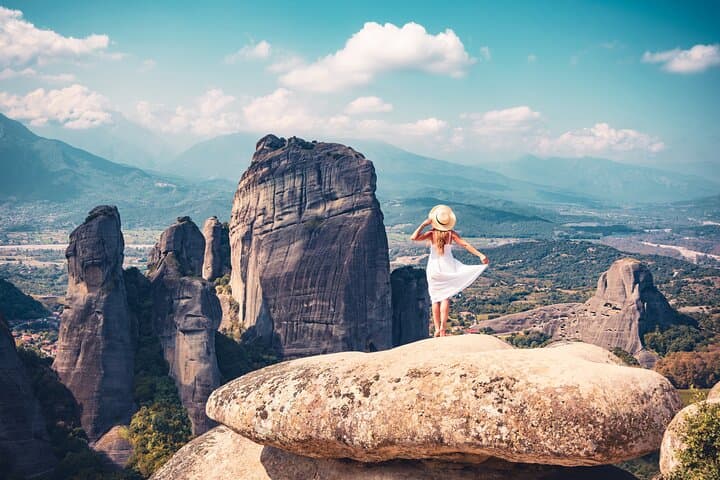
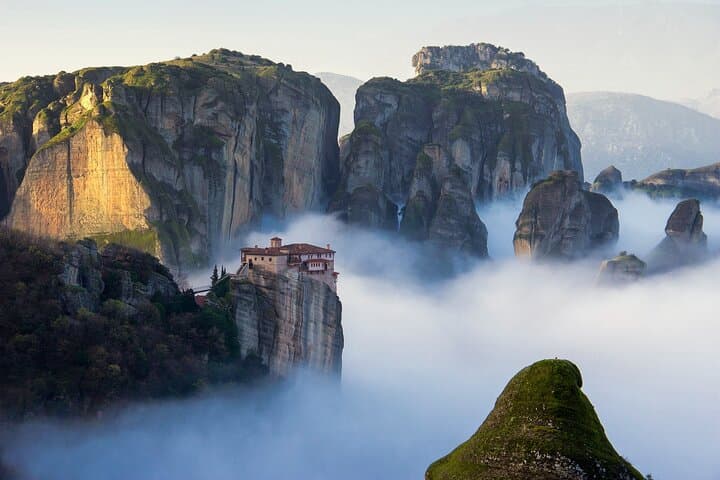
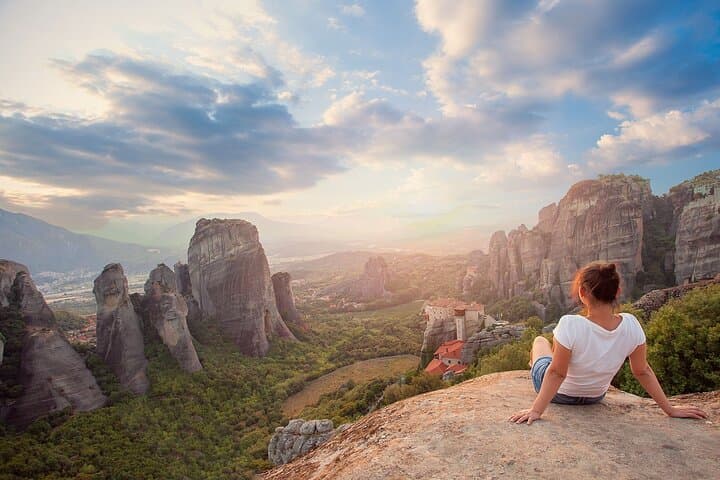
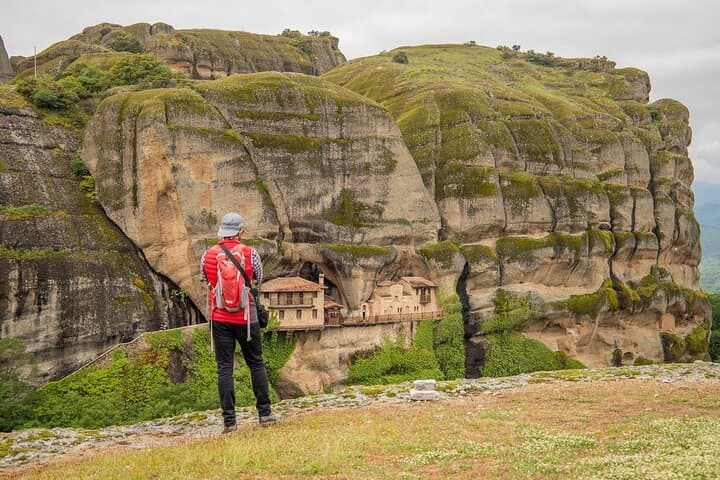
The bus leaves Athens before dawn and by late afternoon the rock pillars of Meteora rise like a challenge against the sky — sheer, wind-scarred columns that seem to hold monasteries on their shoulders. You stand on a viewing terrace as light crawls across the Pindos range, the wind nudging you toward the closest cliff-edge view.
Verified experiences and guided adventures in the surrounding area.
Operated by Visit Meteora · Kalambaka, Thessaly
The bus leaves Athens before dawn and by late afternoon the rock pillars of Meteora rise like a challenge against the sky — sheer, wind-scarred columns that seem to hold monasteries on their shoulders. You stand on a viewing terrace as light crawls across the Pindos range, the wind nudging you toward the closest cliff-edge view.
Geology here is blunt and deliberate: 60-million-year-old conglomerate carved by water and time into towers. History presses close — Byzantine monks climbed rope ladders and hauled provisions in baskets, building isolated communities that still guard frescoes and relics. The route continues through Thermopylae, where the shoreline and passes once shaped ancient warfare, then winds to Delphi, the site where pilgrims listened for prophetic breath from the oracle and left carved offerings.
Culture in both places is tactile: stone steps worn smooth, icons with paint thinned by devotion, tavernas serving raki and grilled lamb in Kalambaka. Expect a balanced mix of soft walking, short stair climbs, and an optional guided hike around Meteora’s lower trails.
Practical tips: arrive with sturdy footwear, carry water, and budget time for photography stops — monasteries have modesty rules and limited entry. The tour runs on an express bus schedule with hotel stays in Kalambaka, morning pickups from Larissis Station, and a return to Athens the third evening. If you choose the hiking option, be ready for uneven trails and short steep sections; if you prefer a relaxed pace, the half-day minibus keeps the tempo easy. This three-day loop is efficient: heavy on scenery and layered history, light on logistics.
moderate.
3 days.
Suitable for average fitness; comfortable with periods of walking, stairs and short hikes. Not suitable for those with severe mobility limits.
Entrance fees are typically not included; the tour covers transport, hotels and some guided elements but allow cash for admissions where required.
Most days involve short walks and stair climbs to monastery courtyards; the optional Meteora hike adds uneven trail sections of moderate length.
The tour departs from Larissis train station in Athens and concludes back in Athens at Liosion bus station/train station area on day three.
You get several hours of free time in Delphi with a mobile audio guide; local guides are available for the Meteora segments per itinerary.
Meteora monasteries rose in the 14th–16th centuries as monks sought isolation during Ottoman turmoil; Delphi was the religious center of ancient Greece and home to the oracle of Apollo.
Visitor numbers are managed at certain monasteries to protect fragile frescoes and pathways; stick to marked trails and avoid feeding wildlife to reduce human impact.
Visit Meteora operates guided outdoor trips and adventures with an emphasis on safety, stewardship, and memorable experiences.
The bus leaves Athens before dawn and by late afternoon the rock pillars of Meteora rise like a challenge against the sky — sheer, wind-scarred columns that seem to hold monasteries on their shoulders. You stand on a viewing terrace as light crawls across the Pindos range, the wind nudging you toward the closest cliff-edge view.
The bus leaves Athens before dawn and by late afternoon the rock pillars of Meteora rise like a challenge against the sky — sheer, wind-scarred columns that seem to hold monasteries on their shoulders. You stand on a viewing terrace as light crawls across the Pindos range, the wind nudging you toward the closest cliff-edge view.
Geology here is blunt and deliberate: 60-million-year-old conglomerate carved by water and time into towers. History presses close — Byzantine monks climbed rope ladders and hauled provisions in baskets, building isolated communities that still guard frescoes and relics. The route continues through Thermopylae, where the shoreline and passes once shaped ancient warfare, then winds to Delphi, the site where pilgrims listened for prophetic breath from the oracle and left carved offerings.
Culture in both places is tactile: stone steps worn smooth, icons with paint thinned by devotion, tavernas serving raki and grilled lamb in Kalambaka. Expect a balanced mix of soft walking, short stair climbs, and an optional guided hike around Meteora’s lower trails.
Practical tips: arrive with sturdy footwear, carry water, and budget time for photography stops — monasteries have modesty rules and limited entry. The tour runs on an express bus schedule with hotel stays in Kalambaka, morning pickups from Larissis Station, and a return to Athens the third evening. If you choose the hiking option, be ready for uneven trails and short steep sections; if you prefer a relaxed pace, the half-day minibus keeps the tempo easy. This three-day loop is efficient: heavy on scenery and layered history, light on logistics.