THE ADVENTURE COLLECTIVE® · Independent discovery and booking for outdoor travel

Trade Marrakech’s bustle for dune silence on a three-day circuit to Erg Chebbi. Ride camels at sunset, sleep under the stars in a simple Sahara camp, and pass Ait Ben Haddou, Todra Gorges and the Valley of Roses along the way.
Trade Marrakech’s bustle for dune silence on a three-day circuit to Erg Chebbi. Ride camels at sunset, sleep under the stars in a simple Sahara camp, and pass Ait Ben Haddou, Todra Gorges and the Valley of Roses along the way.
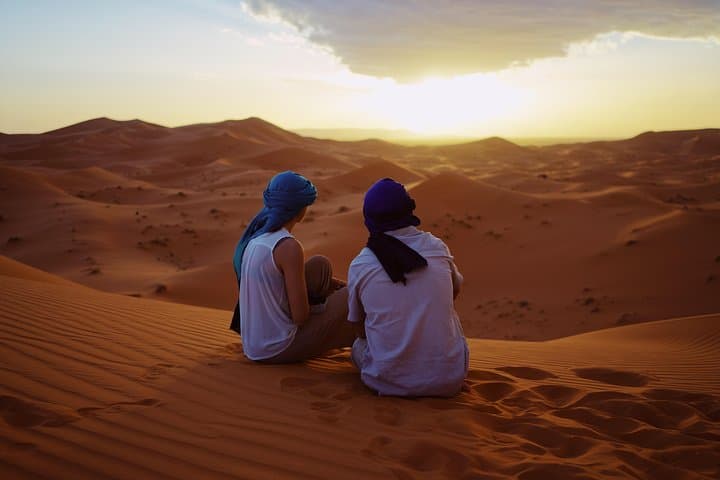
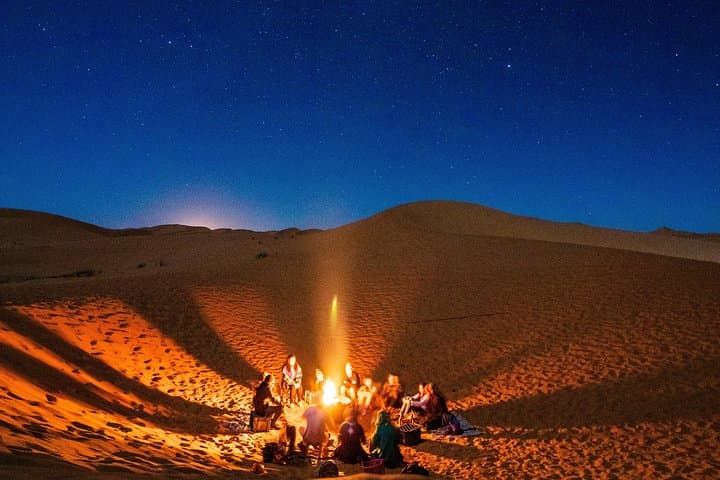
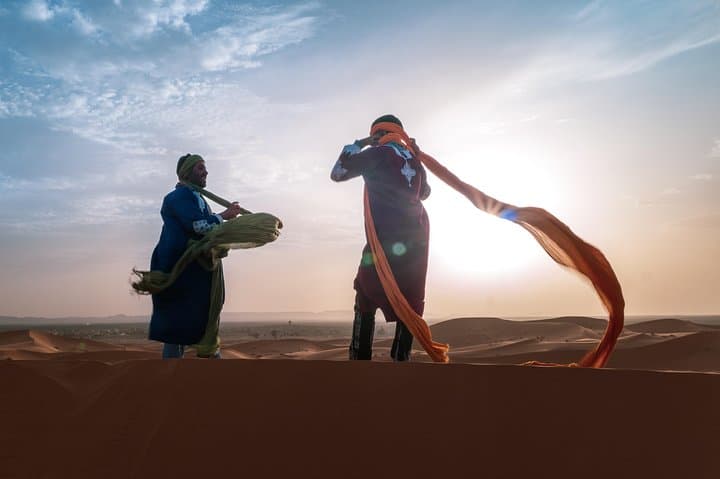
A wind-sculpted ridge lifts into view as the private vehicle drops you at the lip of Erg Chebbi; sand folds away in long, quiet slopes and the sun sharpens every crest. The first footsteps—either boot or camel—leave a short-lived map across the ridge. Night comes quickly in the desert, and by starlight the camp’s lanterns and the Milky Way trade places in the sky.
Verified experiences and guided adventures in the surrounding area.
Operated by Sirius Adventures · Merzouga, Drâa-Tafilalet
A wind-sculpted ridge lifts into view as the private vehicle drops you at the lip of Erg Chebbi; sand folds away in long, quiet slopes and the sun sharpens every crest. The first footsteps—either boot or camel—leave a short-lived map across the ridge. Night comes quickly in the desert, and by starlight the camp’s lanterns and the Milky Way trade places in the sky.
This three-day loop threads Marrakech, the High Atlas, Ait Ben Haddou’s 12th-century kasbahs, the Valley of Roses and the tight, red walls of Todra and Dades gorges before arriving at Merzouga and Erg Chebbi. Geology here is obvious: uplifted and weathered limestone and sandstone give way to wind-formed dunes that migrate with seasonal storms. Culturally, the route follows ancient caravan corridors—oasis towns such as Skoura and Agdez preserve irrigation techniques and mudbrick architecture tied to Amazigh (Berber) life.
Practical guidance: expect long driving segments with several short walks; pack layered clothing for hot days and chilly nights, and bring a charged headlamp—electricity in desert camps is limited. Camel rides typically last about two hours at sunset; alternatives include a short dune scramble. Hydration and sun protection are non-negotiable. Respect local customs: modest dress in villages and ask before photographing people. Leave no trace on the fragile dunes and choose camps that treat animals humanely.
The trip balances cinematic landscapes with straightforward logistics: a small-group, private-transport pace that lets travelers trade Marrakech’s bustle for desert silence without sacrificing comfort.
moderate.
3 days.
Suitable for travelers in average physical condition; involves short walks, a camel ride and long vehicle transfers.
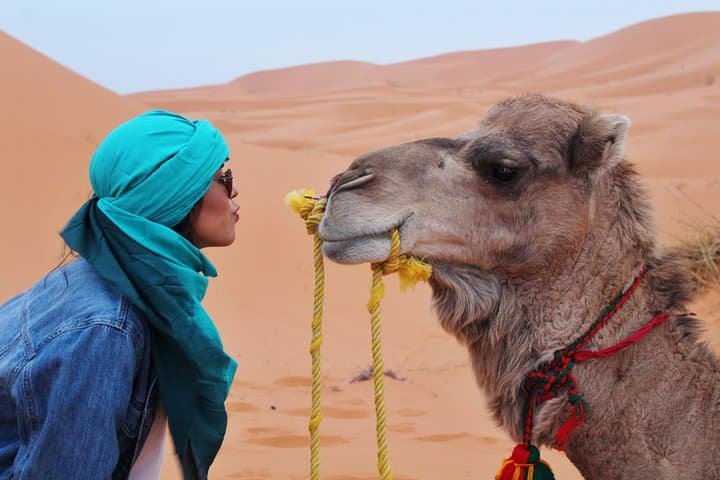
Camel rides are low-impact and suitable for most travelers; mounts are steady and rides last about two hours at sunset with occasional standing stops.
Camps are simple: heated or insulated tents, bedding, and basic toilet facilities; electricity is limited—bring a sleeping bag in colder months.
Service is intermittent in remote gorges and dunes; towns like Merzouga and Ouarzazate usually have coverage—plan accordingly.
Yes—many operators note it’s suitable for most ages, but long drives and overnight tent conditions may be challenging for very young children.
The route follows former caravan corridors and features Ait Ben Haddou, a fortified ksar prominent since the 12th century and used historically as a trans-Saharan trading post.
Erg Chebbi’s dunes and oasis systems are fragile—avoid driving on dunes, pack out waste, conserve water and choose operators that prioritize animal welfare.
Sirius Adventures operates guided outdoor trips and adventures with an emphasis on safety, stewardship, and memorable experiences.
A wind-sculpted ridge lifts into view as the private vehicle drops you at the lip of Erg Chebbi; sand folds away in long, quiet slopes and the sun sharpens every crest. The first footsteps—either boot or camel—leave a short-lived map across the ridge. Night comes quickly in the desert, and by starlight the camp’s lanterns and the Milky Way trade places in the sky.
A wind-sculpted ridge lifts into view as the private vehicle drops you at the lip of Erg Chebbi; sand folds away in long, quiet slopes and the sun sharpens every crest. The first footsteps—either boot or camel—leave a short-lived map across the ridge. Night comes quickly in the desert, and by starlight the camp’s lanterns and the Milky Way trade places in the sky.
This three-day loop threads Marrakech, the High Atlas, Ait Ben Haddou’s 12th-century kasbahs, the Valley of Roses and the tight, red walls of Todra and Dades gorges before arriving at Merzouga and Erg Chebbi. Geology here is obvious: uplifted and weathered limestone and sandstone give way to wind-formed dunes that migrate with seasonal storms. Culturally, the route follows ancient caravan corridors—oasis towns such as Skoura and Agdez preserve irrigation techniques and mudbrick architecture tied to Amazigh (Berber) life.
Practical guidance: expect long driving segments with several short walks; pack layered clothing for hot days and chilly nights, and bring a charged headlamp—electricity in desert camps is limited. Camel rides typically last about two hours at sunset; alternatives include a short dune scramble. Hydration and sun protection are non-negotiable. Respect local customs: modest dress in villages and ask before photographing people. Leave no trace on the fragile dunes and choose camps that treat animals humanely.
The trip balances cinematic landscapes with straightforward logistics: a small-group, private-transport pace that lets travelers trade Marrakech’s bustle for desert silence without sacrificing comfort.