THE ADVENTURE COLLECTIVE® · Independent discovery and booking for outdoor travel

Cross the High Atlas into dramatic gorges, walk alleys of a UNESCO kasbah, and ride camels into the dunes at sunset. This three-day loop from Marrakech packs geology, culture and a night under Sahara stars into one accessible adventure.
Cross the High Atlas into dramatic gorges, walk alleys of a UNESCO kasbah, and ride camels into the dunes at sunset. This three-day loop from Marrakech packs geology, culture and a night under Sahara stars into one accessible adventure.
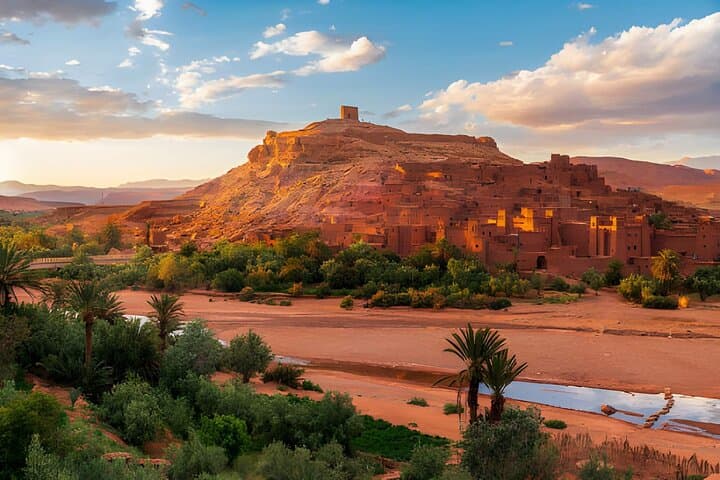
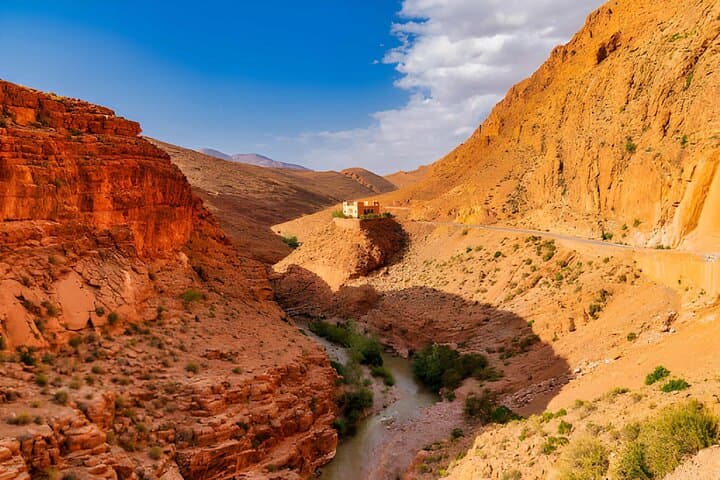
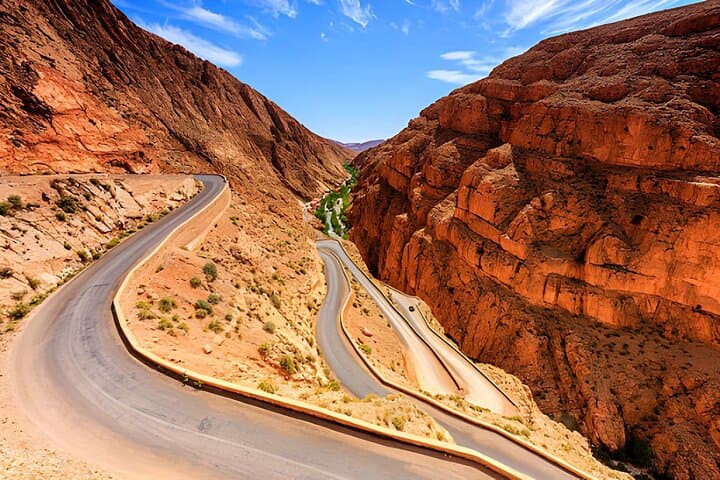
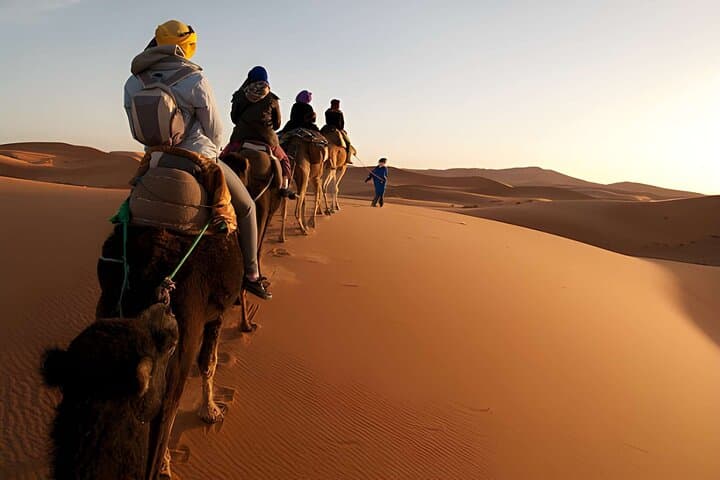
A low sun burns the High Atlas ridgeline as the minivan peels away from Marrakech and climbs toward Tizi n’Tichka, the road dropping travelers into spare, sun-scrubbed valleys by dusk. Over three days the landscape keeps changing—ochre kasbahs clinging to river terraces, sheer limestone walls at Todra Gorge, and finally the rolling, wind-sculpted crests of Erg Chebbi where camels kneel and invite riders into the silence.
Verified experiences and guided adventures in the surrounding area.
Operated by Morocco Royal Trips · Merzouga, Drâa-Tafilalet
A low sun burns the High Atlas ridgeline as the minivan peels away from Marrakech and climbs toward Tizi n’Tichka, the road dropping travelers into spare, sun-scrubbed valleys by dusk. Over three days the landscape keeps changing—ochre kasbahs clinging to river terraces, sheer limestone walls at Todra Gorge, and finally the rolling, wind-sculpted crests of Erg Chebbi where camels kneel and invite riders into the silence.
The route threads historical corridors: Ait-Ben-Haddou’s mudbrick ksar recalls trans-Saharan trade and film crews that have made the site famous; Erfoud’s fossil-strewn outcrops speak to a distant shallow sea. Geologically the area shifts from folded metamorphic ranges in the Atlas to sedimentary basins and wind-deposited erg near Merzouga. Berber villages punctuate the route—markets, palm groves and local tea rituals give cultural texture between photo stops.
Practical guidance: pack for temperature swings—hot afternoons in the desert, cold nights in camp. Expect long drives broken by short walks and viewpoints, plus a 45–60 minute camel ride over soft sand at sunset. Accommodation alternates between simple hotels and private desert tents with shared facilities; a luxury tent upgrade is often available. Hydration, sun protection and sturdy shoes matter more than technical skills; the tour is suitable for most fitness levels but not recommended for travelers with serious back or heart issues. Communicate dietary needs ahead of pickup. Timing matters—April brings roses in Kelaa M’Gouna; summer is extreme heat; winter nights can be sharply cold. With an experienced driver-guide, the itinerary balances cultural stops and desert time, offering a compact introduction to southeastern Morocco’s contrasts.
moderate.
3 days.
Suitable for travelers in reasonable health who can handle several hours of driving, short walks, and a 45–60 minute camel ride; not strenuous but involves uneven terrain.
The camel trek is typically 45–60 minutes one-way from the parking area into the bivouac, timed to arrive before sunset.
Standard camps offer private sleeping tents but often shared bathroom facilities; luxury upgrades provide en-suite options—check when booking.
Children can join but infants must sit on an adult’s lap; the tour is not recommended for pregnant travelers due to long drives and camel motion.
Carry Moroccan dirham (MAD) for small purchases and tips; tipping guides and camp staff is customary and appreciated—prepare small notes.
The route follows old caravan corridors between Marrakech and the Sahara; Ait-Ben-Haddou represents fortified trade settlements that controlled trans-Saharan routes.
Water is scarce across the region—pack out waste, use water sparingly, and choose camps that minimize impact and support local communities.
Morocco Royal Trips operates guided outdoor trips and adventures with an emphasis on safety, stewardship, and memorable experiences.
A low sun burns the High Atlas ridgeline as the minivan peels away from Marrakech and climbs toward Tizi n’Tichka, the road dropping travelers into spare, sun-scrubbed valleys by dusk. Over three days the landscape keeps changing—ochre kasbahs clinging to river terraces, sheer limestone walls at Todra Gorge, and finally the rolling, wind-sculpted crests of Erg Chebbi where camels kneel and invite riders into the silence.
A low sun burns the High Atlas ridgeline as the minivan peels away from Marrakech and climbs toward Tizi n’Tichka, the road dropping travelers into spare, sun-scrubbed valleys by dusk. Over three days the landscape keeps changing—ochre kasbahs clinging to river terraces, sheer limestone walls at Todra Gorge, and finally the rolling, wind-sculpted crests of Erg Chebbi where camels kneel and invite riders into the silence.
The route threads historical corridors: Ait-Ben-Haddou’s mudbrick ksar recalls trans-Saharan trade and film crews that have made the site famous; Erfoud’s fossil-strewn outcrops speak to a distant shallow sea. Geologically the area shifts from folded metamorphic ranges in the Atlas to sedimentary basins and wind-deposited erg near Merzouga. Berber villages punctuate the route—markets, palm groves and local tea rituals give cultural texture between photo stops.
Practical guidance: pack for temperature swings—hot afternoons in the desert, cold nights in camp. Expect long drives broken by short walks and viewpoints, plus a 45–60 minute camel ride over soft sand at sunset. Accommodation alternates between simple hotels and private desert tents with shared facilities; a luxury tent upgrade is often available. Hydration, sun protection and sturdy shoes matter more than technical skills; the tour is suitable for most fitness levels but not recommended for travelers with serious back or heart issues. Communicate dietary needs ahead of pickup. Timing matters—April brings roses in Kelaa M’Gouna; summer is extreme heat; winter nights can be sharply cold. With an experienced driver-guide, the itinerary balances cultural stops and desert time, offering a compact introduction to southeastern Morocco’s contrasts.