THE ADVENTURE COLLECTIVE® · Independent discovery and booking for outdoor travel

Drive the High Atlas, tour UNESCO-listed Ait Ben Haddou, walk Todgha Gorges and spend a night under the stars in Merzouga. This three-day loop from Marrakech packs geology, kasbahs and a classic camel sunset into an accessible desert experience.
Drive the High Atlas, tour UNESCO-listed Ait Ben Haddou, walk Todgha Gorges and spend a night under the stars in Merzouga. This three-day loop from Marrakech packs geology, kasbahs and a classic camel sunset into an accessible desert experience.
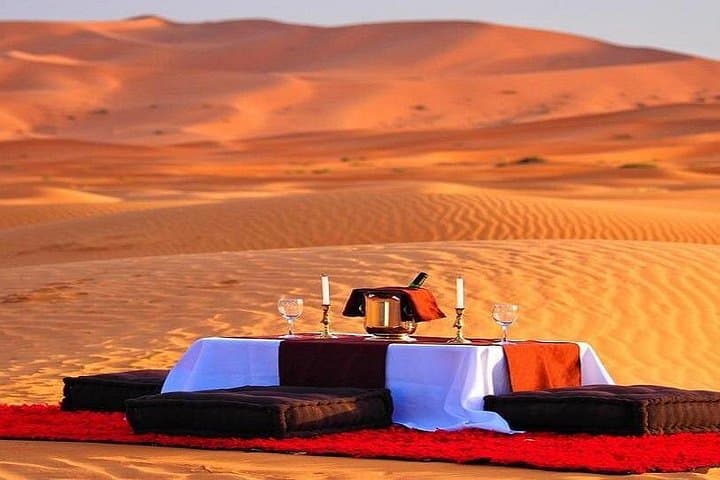
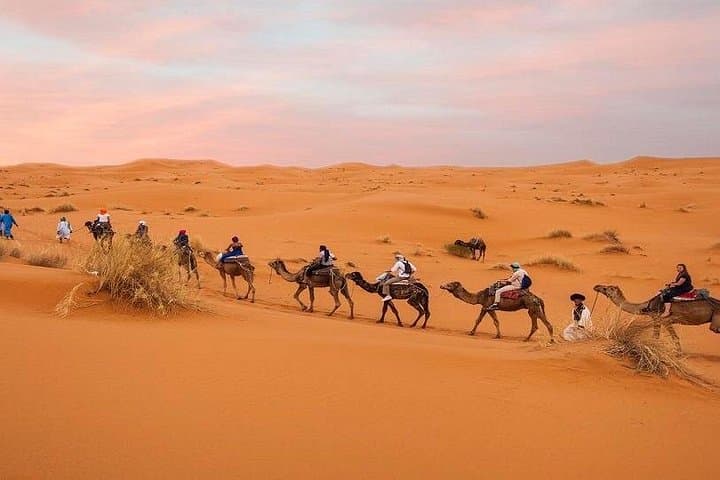
Morning light slices the High Atlas at Tizi n’Tichka as the minivan climbs to 2,260 meters and drops you into a changing world of red earth and dry riverbeds. By dusk the dunes of Merzouga glow; camels file like deliberate silhouettes and the wind shapes ridges that dare you to climb.
Verified experiences and guided adventures in the surrounding area.
Operated by Morocco today travel · Merzouga, Errachidia
Morning light slices the High Atlas at Tizi n’Tichka as the minivan climbs to 2,260 meters and drops you into a changing world of red earth and dry riverbeds. By dusk the dunes of Merzouga glow; camels file like deliberate silhouettes and the wind shapes ridges that dare you to climb.
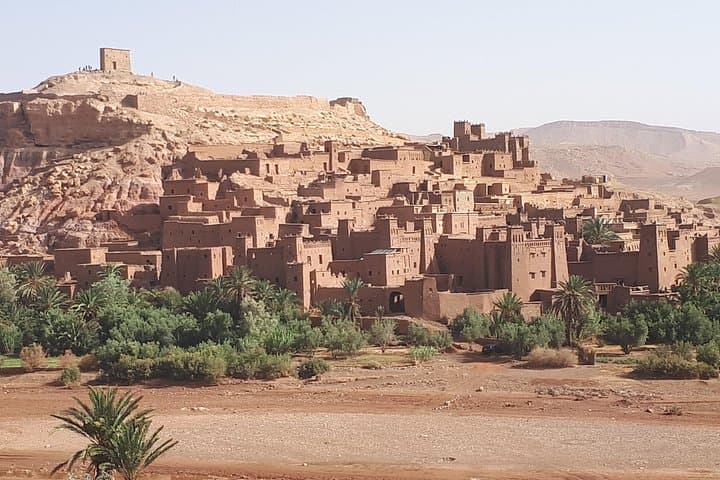
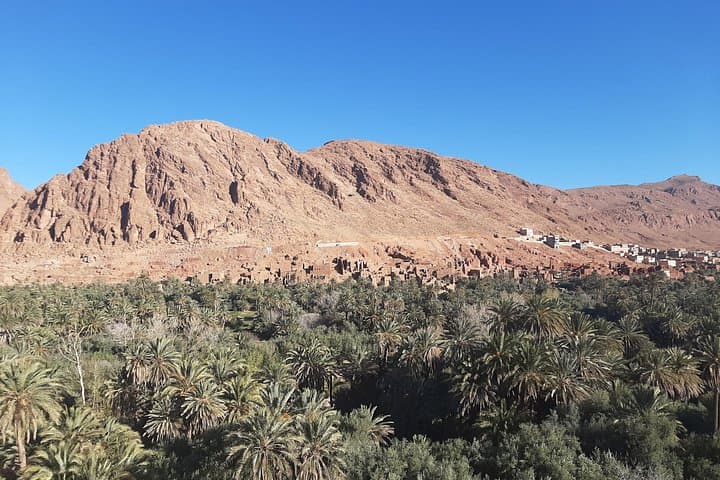
The route threads history and geology: kasbahs built of sun-baked rammed earth that once controlled caravan routes, volcanic rock around Ouarzazate, and the wind-carved Erg Chebbi dunes born from Atlas erosion and Sahara sands. Ait Ben Haddou’s fortified alleys recall trans-Saharan trade and later film crews; Todgha Gorges presents a sudden limestone cleft where a river still finds a way.
Culturally the trip moves between Berber villages, market towns such as Rissani, and nomadic hospitality in desert camps. Expect shared meals, drum music after sunset, and simple guest houses in Dades.
Practically, this is a travel-by-road adventure with two nights in hotels or guesthouses and one night in a desert tent. Days include moderate walking in oases and a 1–2 hour camel ride timed for sunset and sunrise. Pack layered clothing for hot days and cool nights, carry water and sun protection, and be ready for long stretches in an air-conditioned minivan or 4x4.
Timing matters: sunrise on the dunes is the clearest window for photos and cooler temperatures; Tizi n’Tichka weather can change fast. Bring cash for small vendors and respect private kasbah sites.
This itinerary balances scenic drives, cultural stops and a desert overnight, offering a compact, authentic slice of southeastern Morocco.
moderate.
3 days.
Suitable for travelers with average fitness—long vehicle transfers, short hikes, and a 1–2 hour camel ride.
Camel rides are low-impact; passengers sit in a saddle for 1–2 hours and should be able to mount with minimal assistance—inform the operator if mobility is limited.
One night is typically in a Berber-style tent with basic bedding and shared facilities; other nights are in 2–3 star hotels or guesthouses.
Yes—children can join but must be accompanied by an adult; verify age limits and safety provisions when booking.
Visa requirements depend on nationality—check current Moroccan entry rules; routine vaccinations are usually sufficient, but consult travel health advisories.
This corridor linked trans-Saharan caravan routes; many kasbahs were both defensive homes and trade checkpoints, and Ait Ben Haddou later attracted film productions.
The desert ecosystem and water resources are fragile—respect designated camp areas, minimize waste and support local guides and community-run services.
Morocco today travel operates guided outdoor trips and adventures with an emphasis on safety, stewardship, and memorable experiences.
Morning light slices the High Atlas at Tizi n’Tichka as the minivan climbs to 2,260 meters and drops you into a changing world of red earth and dry riverbeds. By dusk the dunes of Merzouga glow; camels file like deliberate silhouettes and the wind shapes ridges that dare you to climb.
Morning light slices the High Atlas at Tizi n’Tichka as the minivan climbs to 2,260 meters and drops you into a changing world of red earth and dry riverbeds. By dusk the dunes of Merzouga glow; camels file like deliberate silhouettes and the wind shapes ridges that dare you to climb.
The route threads history and geology: kasbahs built of sun-baked rammed earth that once controlled caravan routes, volcanic rock around Ouarzazate, and the wind-carved Erg Chebbi dunes born from Atlas erosion and Sahara sands. Ait Ben Haddou’s fortified alleys recall trans-Saharan trade and later film crews; Todgha Gorges presents a sudden limestone cleft where a river still finds a way.
Culturally the trip moves between Berber villages, market towns such as Rissani, and nomadic hospitality in desert camps. Expect shared meals, drum music after sunset, and simple guest houses in Dades.
Practically, this is a travel-by-road adventure with two nights in hotels or guesthouses and one night in a desert tent. Days include moderate walking in oases and a 1–2 hour camel ride timed for sunset and sunrise. Pack layered clothing for hot days and cool nights, carry water and sun protection, and be ready for long stretches in an air-conditioned minivan or 4x4.
Timing matters: sunrise on the dunes is the clearest window for photos and cooler temperatures; Tizi n’Tichka weather can change fast. Bring cash for small vendors and respect private kasbah sites.
This itinerary balances scenic drives, cultural stops and a desert overnight, offering a compact, authentic slice of southeastern Morocco.