THE ADVENTURE COLLECTIVE® · Independent discovery and booking for outdoor travel

Cross the High Atlas, explore UNESCO-listed Ait Ben Haddou and sleep under the stars at Erg Chebbi. This three-day circuit pairs cinematic kasbahs and narrow gorges with a classic camel trek and desert camp experience.
Cross the High Atlas, explore UNESCO-listed Ait Ben Haddou and sleep under the stars at Erg Chebbi. This three-day circuit pairs cinematic kasbahs and narrow gorges with a classic camel trek and desert camp experience.
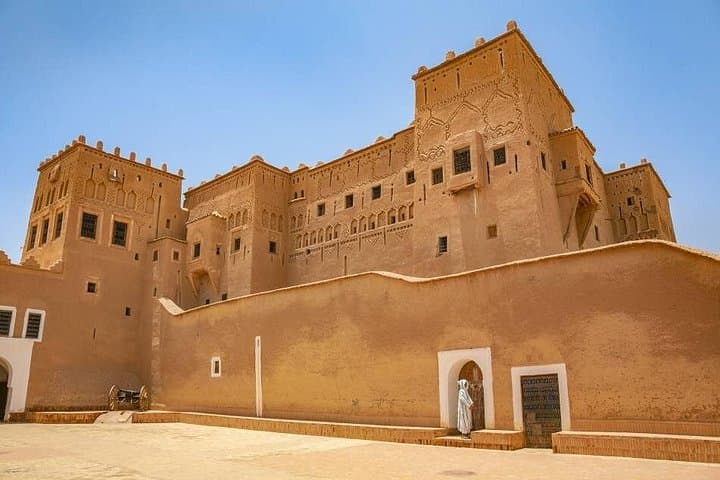
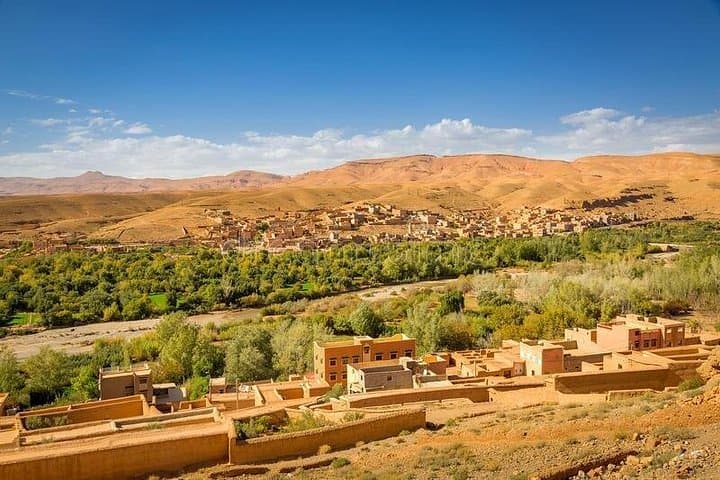
You leave Marrakech before dawn, climbing Tizi n’Tichka where the High Atlas pins the road to the sky. By midday the red-brown kasbah of Ait Ben Haddou appears — stacked mud-brick houses that saw caravans and movie crews alike — and further on the landscape opens into the almond-and-palm stitched valleys of the Dades and Todra.
Verified experiences and guided adventures in the surrounding area.
Operated by Todo marruecos · Merzouga, Drâa-Tafilalet
You leave Marrakech before dawn, climbing Tizi n’Tichka where the High Atlas pins the road to the sky. By midday the red-brown kasbah of Ait Ben Haddou appears — stacked mud-brick houses that saw caravans and movie crews alike — and further on the landscape opens into the almond-and-palm stitched valleys of the Dades and Todra.
Geology here reads like an atlas of time: the High Atlas uplifted by tectonic force, narrow Todra canyons carved by seasonal torrents, and Erg Chebbi’s wind-sculpted dunes grown from Saharan sand. Cultural notes arrive as you drive — kasbahs that served as fortified granaries, Berber villages with flat-roofed homes, and Ouarzazate’s film studios where global stories were filmed against local terrain.
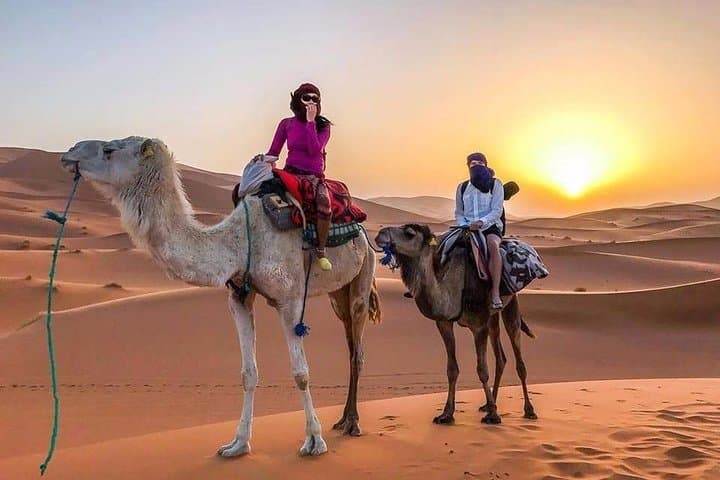
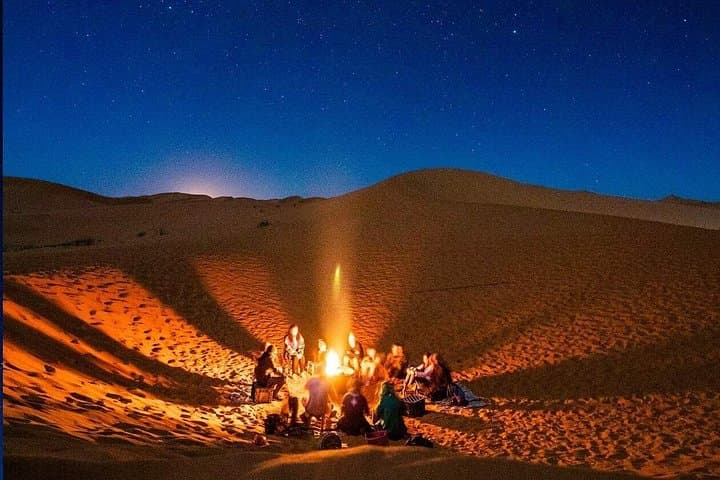
The heart of the trip is Merzouga: a village shadowed by towering dunes. After a late-afternoon camel ride your guide leaves you at a Berber camp; at night the desert opens its cold, clear sky and the dunes, having baked all day, keep warmth like a slow-fire memory. Sunrise is the payoff — ridgelines slip from bronze to gold.
Practically: expect long driving days (several hours between stops), short walks in gorges, and a 90–120 minute camel transfer into camp. Temperatures swing dramatically — pack layers, sun protection, and a refillable water bottle. Bring cash for small purchases and tips; local vendors and camps operate cash-first. Respect fragile desert soils: stay on established tracks and limit single-use plastics. This itinerary blends culture, geology, and a raw desert overnight — ideal for travelers who want immersion with straightforward logistics.
moderate.
3 days.
Suitable for travelers with basic fitness: long vehicle transfers, short hikes in gorges, and a 90–120 minute camel ride into camp.
Expect several long drives each day — up to 5–6 hours on some legs — with stops at viewpoints, kasbahs and gorges along the way.
Yes; camel rides are suitable for most ages and fitness levels, but tell operators about pregnancy, recent injuries, or mobility limits so they can accommodate you.
Berber camps range from basic to well-appointed; most supply mattresses, blankets, and communal dining; heating is usually not provided, so bring warm layers in winter.
Some vehicles and main sites can be accessible, but the camel ride and dune camp are not wheelchair-friendly — check with the operator for tailored pickup options.
The route follows historic caravan corridors and features Ait Ben Haddou, a UNESCO kasbah complex used for trade and later as a filming location.
Erg Chebbi’s dunes and oasis groves are sensitive to erosion and water scarcity; minimize tracks in soft sand and support camps that follow waste and water-conservation practices.
Todo marruecos operates guided outdoor trips and adventures with an emphasis on safety, stewardship, and memorable experiences.
You leave Marrakech before dawn, climbing Tizi n’Tichka where the High Atlas pins the road to the sky. By midday the red-brown kasbah of Ait Ben Haddou appears — stacked mud-brick houses that saw caravans and movie crews alike — and further on the landscape opens into the almond-and-palm stitched valleys of the Dades and Todra.
You leave Marrakech before dawn, climbing Tizi n’Tichka where the High Atlas pins the road to the sky. By midday the red-brown kasbah of Ait Ben Haddou appears — stacked mud-brick houses that saw caravans and movie crews alike — and further on the landscape opens into the almond-and-palm stitched valleys of the Dades and Todra.
Geology here reads like an atlas of time: the High Atlas uplifted by tectonic force, narrow Todra canyons carved by seasonal torrents, and Erg Chebbi’s wind-sculpted dunes grown from Saharan sand. Cultural notes arrive as you drive — kasbahs that served as fortified granaries, Berber villages with flat-roofed homes, and Ouarzazate’s film studios where global stories were filmed against local terrain.
The heart of the trip is Merzouga: a village shadowed by towering dunes. After a late-afternoon camel ride your guide leaves you at a Berber camp; at night the desert opens its cold, clear sky and the dunes, having baked all day, keep warmth like a slow-fire memory. Sunrise is the payoff — ridgelines slip from bronze to gold.
Practically: expect long driving days (several hours between stops), short walks in gorges, and a 90–120 minute camel transfer into camp. Temperatures swing dramatically — pack layers, sun protection, and a refillable water bottle. Bring cash for small purchases and tips; local vendors and camps operate cash-first. Respect fragile desert soils: stay on established tracks and limit single-use plastics. This itinerary blends culture, geology, and a raw desert overnight — ideal for travelers who want immersion with straightforward logistics.