THE ADVENTURE COLLECTIVE® · Independent discovery and booking for outdoor travel

Cross gorges, palm oases and the towering Erg Chebbi dunes on a three-day shared tour between Fez and Marrakech. Expect long drives, camel treks into the desert, two nights in jaimas, and dramatic sunrise views over Merzouga.
Cross gorges, palm oases and the towering Erg Chebbi dunes on a three-day shared tour between Fez and Marrakech. Expect long drives, camel treks into the desert, two nights in jaimas, and dramatic sunrise views over Merzouga.
A low sun slices across orange ridges as the minibus drops you at the lip of Erg Chebbi; wind-carved dunes roll away like a living landscape that dares you to walk its spine. Over three days the route moves from cedar forests and rocky gorges to palm-lined oases and, finally, the wide silence of Merzouga's sand sea.
Verified experiences and guided adventures in the surrounding area.
Operated by Marruecos desierto · Merzouga, Drâa-Tafilalet
A low sun slices across orange ridges as the minibus drops you at the lip of Erg Chebbi; wind-carved dunes roll away like a living landscape that dares you to walk its spine. Over three days the route moves from cedar forests and rocky gorges to palm-lined oases and, finally, the wide silence of Merzouga's sand sea.
The road follows old caravan corridors that linked Saharan trade routes to inland Morocco; geology here reads as layers of mountain, river terrace and Pleistocene dunes reworked by seasonal winds. Along the way the Dades Gorge shows folded red cliffs, the Ziz Valley delivers stringed oases and gravel plains give way to fossil-strewn flats near Erfoud — evidence of an ancient seabed.
Cultural notes: local Berber communities operate family-run jaimas and tents, and camel routes remain both practical and symbolic of regional mobility. Expect basic desert camps with shared facilities; food is traditional tagine, and evenings are quiet, cold and clear.
Practical guidance: travel includes long driving segments on paved and dirt tracks, short camel treks into the dunes, and two nights in jaimas. Pack layered clothing for hot days and cold nights, bring sun protection and at least 2–3 liters of water per person for dune walks. Sunrise and sunset are the best windows for photography and walking — mid-day sand hiking is hard and hot. Cash is useful in small towns; mobile signal can be intermittent. If you have heart problems consult a doctor before booking — the itinerary involves long transfers and basic accommodations.
moderate.
3 days.
Suitable for travelers who can handle multiple hours of driving, short hikes on soft sand, and basic camp overnighting; minimal sustained cardio required.
Yes—camel rides into the dunes and two nights in jaimas (desert tents) are part of the itinerary as listed.
Camps are traditional jaimas with basic bedding and shared facilities; expect simple, clean accommodations rather than luxury lodging.
The tour is a shared minibus itinerary between major cities; confirm your pickup point when booking as the operator lists specific meeting locations.
Not recommended for travelers with serious cardiovascular conditions due to long drives, heat exposure and limited medical access; mobility issues may make camel treks and tent stays difficult.
This corridor follows historic trans-Saharan trade and Berber migration routes; small ksars and palm oases grew where water supported caravan stops.
Erg Chebbi’s dune system is fragile—avoid off-track vehicle driving and pack out waste; use established camps to limit impact.
Marruecos desierto operates guided outdoor trips and adventures with an emphasis on safety, stewardship, and memorable experiences.
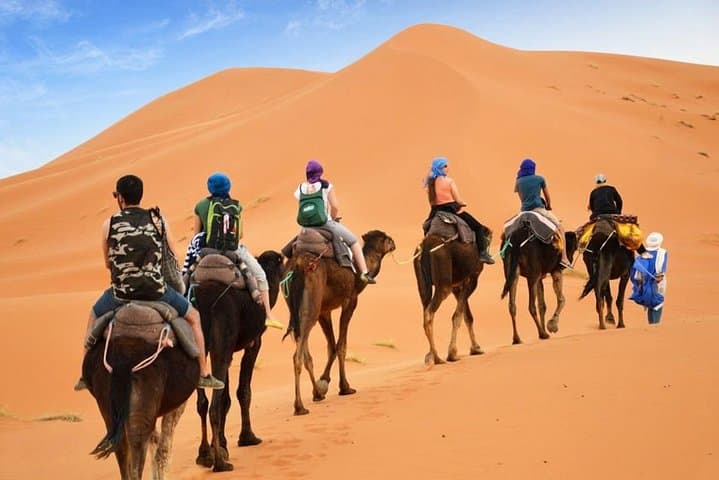
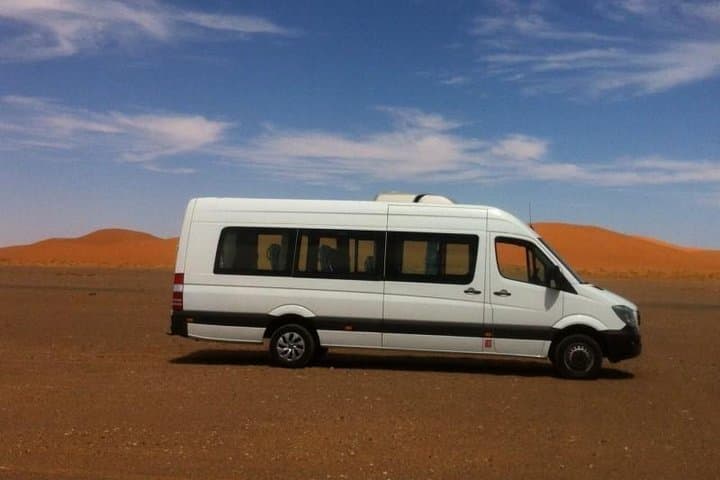
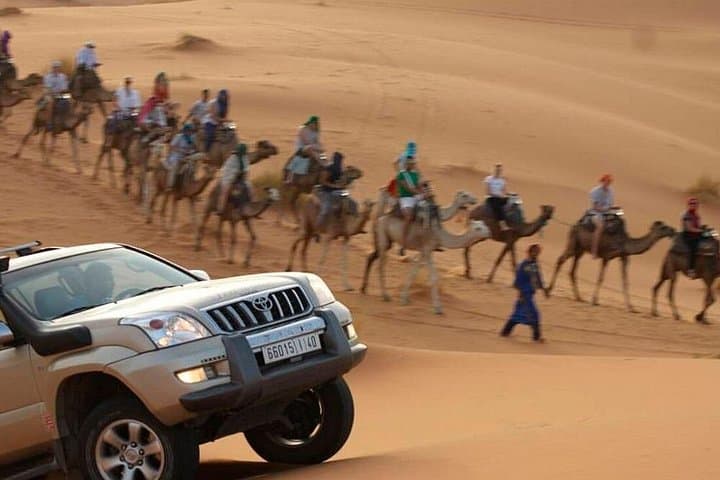
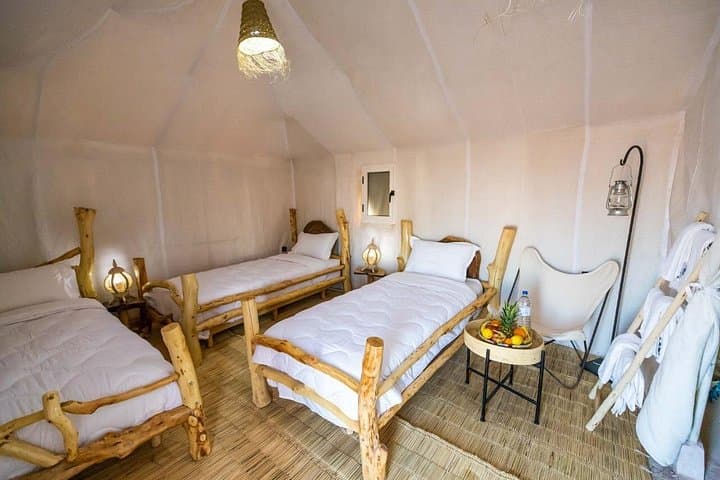
A low sun slices across orange ridges as the minibus drops you at the lip of Erg Chebbi; wind-carved dunes roll away like a living landscape that dares you to walk its spine. Over three days the route moves from cedar forests and rocky gorges to palm-lined oases and, finally, the wide silence of Merzouga's sand sea.
A low sun slices across orange ridges as the minibus drops you at the lip of Erg Chebbi; wind-carved dunes roll away like a living landscape that dares you to walk its spine. Over three days the route moves from cedar forests and rocky gorges to palm-lined oases and, finally, the wide silence of Merzouga's sand sea.
The road follows old caravan corridors that linked Saharan trade routes to inland Morocco; geology here reads as layers of mountain, river terrace and Pleistocene dunes reworked by seasonal winds. Along the way the Dades Gorge shows folded red cliffs, the Ziz Valley delivers stringed oases and gravel plains give way to fossil-strewn flats near Erfoud — evidence of an ancient seabed.
Cultural notes: local Berber communities operate family-run jaimas and tents, and camel routes remain both practical and symbolic of regional mobility. Expect basic desert camps with shared facilities; food is traditional tagine, and evenings are quiet, cold and clear.
Practical guidance: travel includes long driving segments on paved and dirt tracks, short camel treks into the dunes, and two nights in jaimas. Pack layered clothing for hot days and cold nights, bring sun protection and at least 2–3 liters of water per person for dune walks. Sunrise and sunset are the best windows for photography and walking — mid-day sand hiking is hard and hot. Cash is useful in small towns; mobile signal can be intermittent. If you have heart problems consult a doctor before booking — the itinerary involves long transfers and basic accommodations.