THE ADVENTURE COLLECTIVE® · Independent discovery and booking for outdoor travel

Cross the Middle Atlas, taste Midelt’s apples, then ride camels into Erg Chebbi for sunrise over the dunes. This 3-day loop from Fes combines long scenic drives with overnight Berber camp stays and cultural stops in Khamlia and the Ziz Valley.
Cross the Middle Atlas, taste Midelt’s apples, then ride camels into Erg Chebbi for sunrise over the dunes. This 3-day loop from Fes combines long scenic drives with overnight Berber camp stays and cultural stops in Khamlia and the Ziz Valley.
The first light finds you hunched atop a slow-moving camel as dune faces shadow and then glow—Erg Chebbi’s ridges roll like an ocean frozen in sand. The van leaves Fes before dawn, threading through cedar forests of the Middle Atlas, towns that trade snow in winter for apple orchards in summer, and the ribbon of the Ziz Valley where palm groves flank a river daring you to stop.
Verified experiences and guided adventures in the surrounding area.
Operated by Moda Camp Merzouga tours · Merzouga, Drâa-Tafilalet
The first light finds you hunched atop a slow-moving camel as dune faces shadow and then glow—Erg Chebbi’s ridges roll like an ocean frozen in sand. The van leaves Fes before dawn, threading through cedar forests of the Middle Atlas, towns that trade snow in winter for apple orchards in summer, and the ribbon of the Ziz Valley where palm groves flank a river daring you to stop.
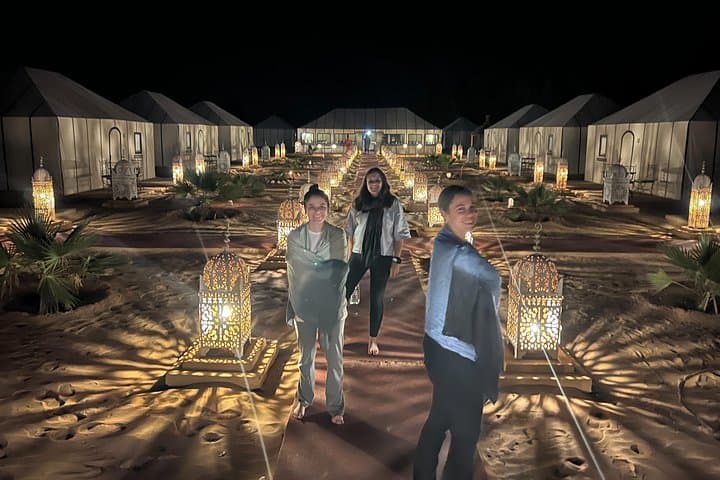
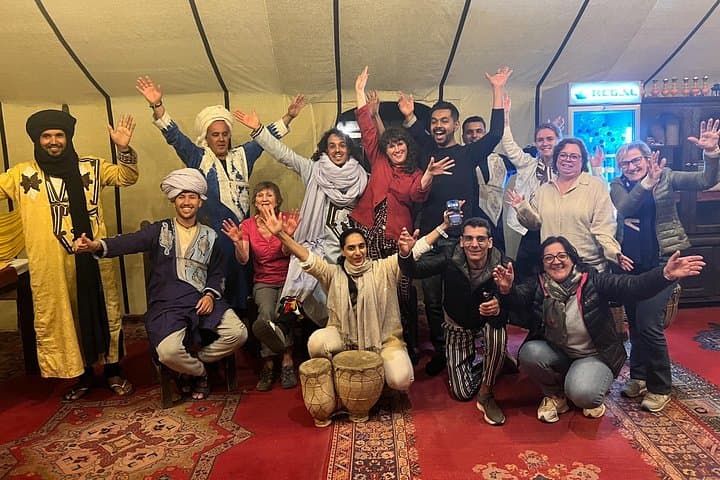
This three-day route follows a long-standing corridor between Morocco’s Atlas highlands and the Sahara. Geologically, Erg Chebbi is an accumulation of wind-blown dunes shaped by seasonal winds; culturally, the route is stitched to Amazigh (Berber) settlements and the Gnawa musical tradition in Khamlia village. Midelt sits at the crossroads; Azrou’s cedar forest hosts Barbary macaques; Merzouga offers nights under desert stars in private Berber-style tents.
Practical guidance: travel is mostly paved but includes long drives—expect several hours between stops. Sunrise and sunset are the best photography windows; daytime can be hot and reflective on sand. Camel treks are gentle but require basic mobility to mount and dismount; bring sunscreen, a broad-brim hat, and layered clothes for cool nights. Hydration is essential—carry extra water beyond what’s provided. Wear closed-toe shoes for walking around camp and consider a light scarf to keep sand out of gear.
Plan pickups and passport details in advance; the desert is fragile—avoid disturbing vegetation or cultural sites, and leave no trace of your campfire. With careful planning, the trip balances long road legs with short, unforgettable field moments in the dunes.
moderate.
3 days (72 hours).
Suitable for travelers in average physical condition—able to mount a camel and walk short distances on soft sand.
Most itineraries include at least one night in a private Berber-style tent at a desert camp and other nights in local hotels—confirm specifics before booking.
Camel treks are steady but sit high; people with limited mobility should notify the operator—staff usually assist mounting and dismounting.
Traditional Moroccan meals are provided; operators typically accommodate common dietary restrictions if notified in advance.
Pick-ups are early (often morning) and expect long driving segments through the Middle Atlas and Ziz Valley—plan for several hours between major stops.
The route links mountain trade and oasis settlements that supported trans-Saharan travel; local Amazigh communities maintain centuries-old cultural traditions.
Dune ecosystems are sensitive to vehicle tracks and campfires; pack out waste, limit campfire impact, and follow local guidance to avoid eroding fragile surfaces.
Moda Camp Merzouga tours operates guided outdoor trips and adventures with an emphasis on safety, stewardship, and memorable experiences.
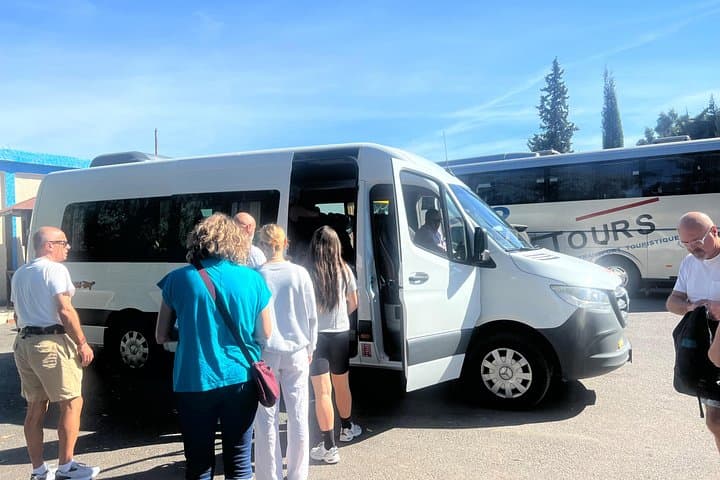
The first light finds you hunched atop a slow-moving camel as dune faces shadow and then glow—Erg Chebbi’s ridges roll like an ocean frozen in sand. The van leaves Fes before dawn, threading through cedar forests of the Middle Atlas, towns that trade snow in winter for apple orchards in summer, and the ribbon of the Ziz Valley where palm groves flank a river daring you to stop.
The first light finds you hunched atop a slow-moving camel as dune faces shadow and then glow—Erg Chebbi’s ridges roll like an ocean frozen in sand. The van leaves Fes before dawn, threading through cedar forests of the Middle Atlas, towns that trade snow in winter for apple orchards in summer, and the ribbon of the Ziz Valley where palm groves flank a river daring you to stop.
This three-day route follows a long-standing corridor between Morocco’s Atlas highlands and the Sahara. Geologically, Erg Chebbi is an accumulation of wind-blown dunes shaped by seasonal winds; culturally, the route is stitched to Amazigh (Berber) settlements and the Gnawa musical tradition in Khamlia village. Midelt sits at the crossroads; Azrou’s cedar forest hosts Barbary macaques; Merzouga offers nights under desert stars in private Berber-style tents.
Practical guidance: travel is mostly paved but includes long drives—expect several hours between stops. Sunrise and sunset are the best photography windows; daytime can be hot and reflective on sand. Camel treks are gentle but require basic mobility to mount and dismount; bring sunscreen, a broad-brim hat, and layered clothes for cool nights. Hydration is essential—carry extra water beyond what’s provided. Wear closed-toe shoes for walking around camp and consider a light scarf to keep sand out of gear.
Plan pickups and passport details in advance; the desert is fragile—avoid disturbing vegetation or cultural sites, and leave no trace of your campfire. With careful planning, the trip balances long road legs with short, unforgettable field moments in the dunes.