THE ADVENTURE COLLECTIVE® · Independent discovery and booking for outdoor travel

A compact three-day loop from Marrakech to Erg Chebbi that pairs High Atlas passes and dramatic gorges with a bivouac night under the Sahara sky. Expect long drives, short hikes, camel rides, and desert sunsets.
A compact three-day loop from Marrakech to Erg Chebbi that pairs High Atlas passes and dramatic gorges with a bivouac night under the Sahara sky. Expect long drives, short hikes, camel rides, and desert sunsets.
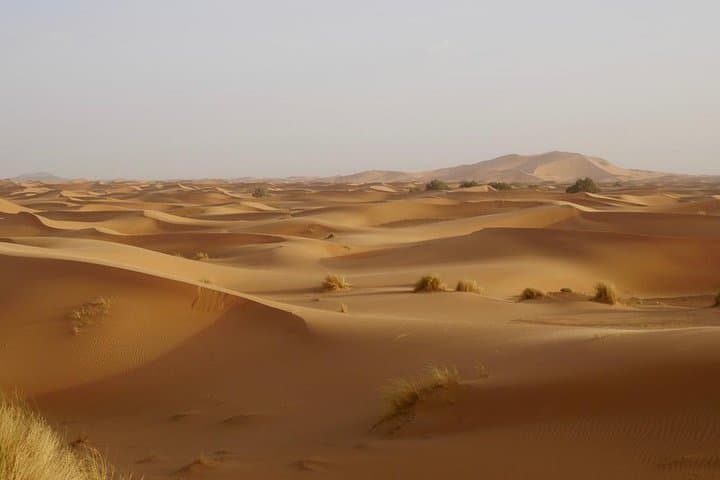
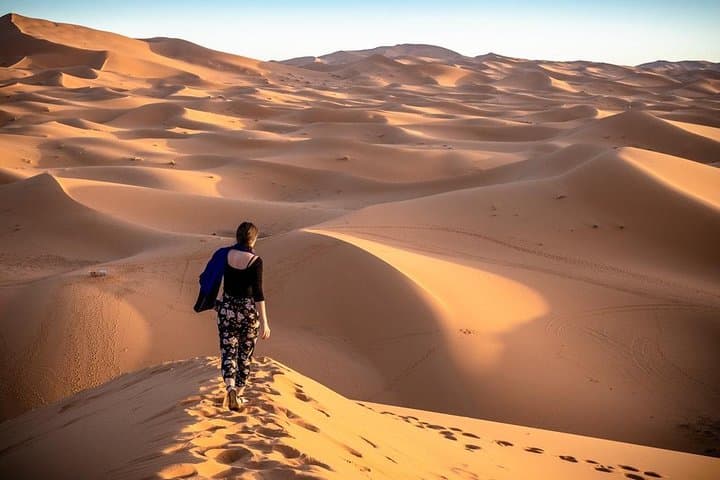
You leave Marrakech before dawn and the road becomes a changing map: cedar forests of the High Atlas give way to ochre plateaus, then to palm-lined oases and the serrated teeth of the Dades and Todra gorges. By late afternoon the Erg Chebbi dunes near Merzouga appear on the horizon—tall, wind-sculpted waves of sand that shift with every breeze, daring you to climb them at sunset.
Verified experiences and guided adventures in the surrounding area.
Operated by Morocco City Breaks · Merzouga, Drâa-Tafilalet
You leave Marrakech before dawn and the road becomes a changing map: cedar forests of the High Atlas give way to ochre plateaus, then to palm-lined oases and the serrated teeth of the Dades and Todra gorges. By late afternoon the Erg Chebbi dunes near Merzouga appear on the horizon—tall, wind-sculpted waves of sand that shift with every breeze, daring you to climb them at sunset.
This route stitches together south Morocco’s human and geological history. Aït Ben Haddou is a fortified ksar built along ancient caravan routes, while the Todra and Dades gorges cut limestone into towering, narrow canyons from millennia of erosion. Towns like Rissani and Erfoud hold date-palms, souks, and local crafts tied to trans-Saharan trade and Amazigh and Saharawi culture.
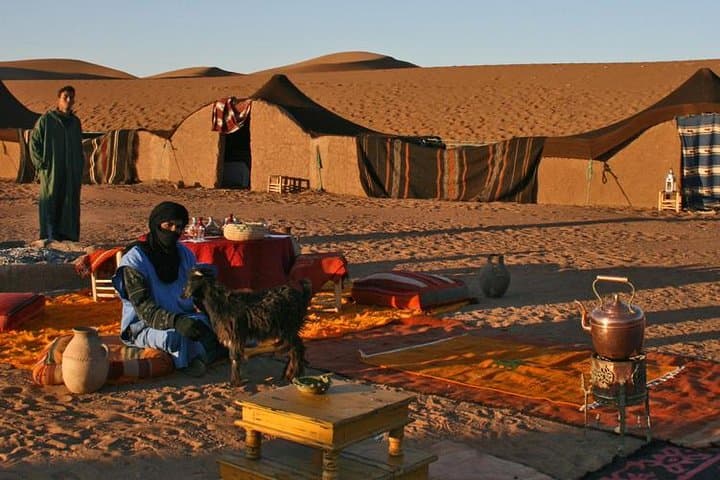
Expect long drives between highlights and short walks at viewpoints. The second night is spent in a bivouac near Erg Chebbi—camp life, a camel ride option, and strong desert stars. Practicalities: pack layered clothing for hot days and cold nights, bring minimum 2–3 liters of water per day, and plan for bumpy mountain roads and winding passes across the High Atlas. Sun protection and sturdy shoes make dune hikes easier; move slowly on steep sand to conserve energy.
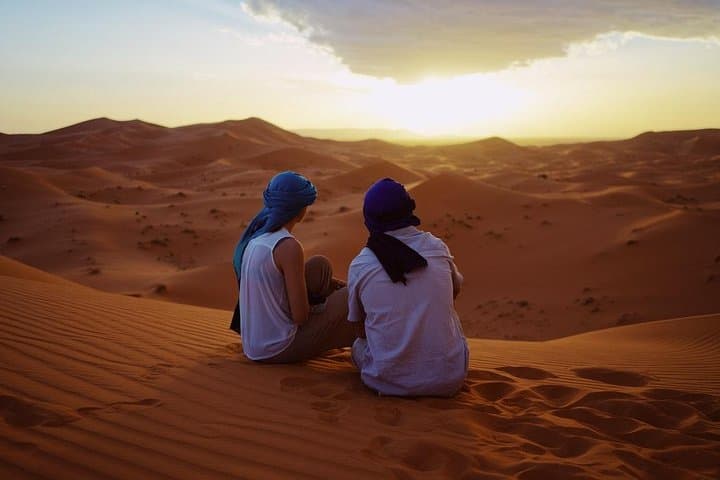
Timing matters: sunset and sunrise turn dunes into dramatic relief for photos and limit heat exposure. If you have spinal, heart, or pregnancy concerns, this trip is not recommended; the operator’s cancellation window is 24 hours for a full refund. For an immersive short desert trip, this three-day run balances cultural stops, scenic gorges, and true Sahara time.
moderate.
3 days.
Suitable for travelers in average fitness: able to handle short dune hikes, boarding 4x4s and optional camel rides, plus long vehicle transfers.
The route covers roughly 500–600 km with several legs; expect long driving days of 6–8 hours between major stops depending on traffic and photo breaks.
Bivouacs near Erg Chebbi are basic but safe; expect mattress bedding in tents, shared facilities, and a camp set about 800 meters from the road for quiet and authenticity.
This itinerary typically includes breakfasts and dinners specified in the tour details and shared transfers; check the booking page for exact inclusions and pickup points in Marrakech.
Travelers with spinal injuries, serious heart conditions, or who are pregnant are advised not to join due to bumpy roads and camel rides; consult the operator for specific medical concerns.
This corridor connected Saharan caravan routes; ksars like Aït Ben Haddou guarded trade in salt, dates, and goods between sub-Saharan Africa and Morocco’s cities.
Dune ecosystems are fragile—stick to established camps and avoid trampling vegetation; local operators often limit camp size and position camps off main dune crests to reduce impact.
Morocco City Breaks operates guided outdoor trips and adventures with an emphasis on safety, stewardship, and memorable experiences.
You leave Marrakech before dawn and the road becomes a changing map: cedar forests of the High Atlas give way to ochre plateaus, then to palm-lined oases and the serrated teeth of the Dades and Todra gorges. By late afternoon the Erg Chebbi dunes near Merzouga appear on the horizon—tall, wind-sculpted waves of sand that shift with every breeze, daring you to climb them at sunset.
You leave Marrakech before dawn and the road becomes a changing map: cedar forests of the High Atlas give way to ochre plateaus, then to palm-lined oases and the serrated teeth of the Dades and Todra gorges. By late afternoon the Erg Chebbi dunes near Merzouga appear on the horizon—tall, wind-sculpted waves of sand that shift with every breeze, daring you to climb them at sunset.
This route stitches together south Morocco’s human and geological history. Aït Ben Haddou is a fortified ksar built along ancient caravan routes, while the Todra and Dades gorges cut limestone into towering, narrow canyons from millennia of erosion. Towns like Rissani and Erfoud hold date-palms, souks, and local crafts tied to trans-Saharan trade and Amazigh and Saharawi culture.
Expect long drives between highlights and short walks at viewpoints. The second night is spent in a bivouac near Erg Chebbi—camp life, a camel ride option, and strong desert stars. Practicalities: pack layered clothing for hot days and cold nights, bring minimum 2–3 liters of water per day, and plan for bumpy mountain roads and winding passes across the High Atlas. Sun protection and sturdy shoes make dune hikes easier; move slowly on steep sand to conserve energy.
Timing matters: sunset and sunrise turn dunes into dramatic relief for photos and limit heat exposure. If you have spinal, heart, or pregnancy concerns, this trip is not recommended; the operator’s cancellation window is 24 hours for a full refund. For an immersive short desert trip, this three-day run balances cultural stops, scenic gorges, and true Sahara time.