THE ADVENTURE COLLECTIVE® · Independent discovery and booking for outdoor travel

Drive the High Atlas, walk within sheer Todra and Dadès gorges, then ride camels into the towering dunes of Erg Chebbi. This three-day loop from Marrakech mixes scenic mountain passes, UNESCO-adjacent ksars, and an overnight under the desert sky.
Drive the High Atlas, walk within sheer Todra and Dadès gorges, then ride camels into the towering dunes of Erg Chebbi. This three-day loop from Marrakech mixes scenic mountain passes, UNESCO-adjacent ksars, and an overnight under the desert sky.
You arrive on the road out of Marrakech as the Atlas climbs and the air thins; switchbacks reveal stony ridges and the light sharpens on mud-brick villages. By the time the convoy drops into the Dades Valley, rock walls have a voice—wind-carved ribs that point the way toward the wide, orange shoulders of Erg Chebbi.
Verified experiences and guided adventures in the surrounding area.
Operated by Viajes Amazigh Marruecos · Merzouga, Errachidia Province
You arrive on the road out of Marrakech as the Atlas climbs and the air thins; switchbacks reveal stony ridges and the light sharpens on mud-brick villages. By the time the convoy drops into the Dades Valley, rock walls have a voice—wind-carved ribs that point the way toward the wide, orange shoulders of Erg Chebbi.
This three-day route follows historic caravan corridors: Tizi n’Tichka over the High Atlas, the fortified ksar of Aït Ben Haddou, then a descent through the Valley of Roses and the Dadès and Todra gorges. Geologically, you move from fractured volcanic and metamorphic ranges into sedimentary canyons and finally wind-blown sand seas—dunes built by centuries of persistent desert breeze.
Culturally, expect Berber hospitality in small towns, shared tagines in riads, and camel handlers whose knowledge of sand and stars is practical craft. Local crafts—rose products in the Dades and date palms lining the Draâ—speak to the region’s irrigation history.
Practical guidance: pack layers for big diurnal swings, allow extra time for road travel, and plan desert photography at sunrise or sunset when dune shadow sculpts detail. Camel rides cover short stretches at slow pace; the night in a desert camp is basic but warm with blankets and a communal dinner under a wide sky. Hydration, sun protection, and stable footwear make the trip comfortable; keep valuables locked in the vehicle during canyon walks. This itinerary is moderate in exertion but long on time in transit—expect long drives traded for high-reward landscapes and a genuine taste of southern Morocco.
moderate.
3 days (approx. 72 hours).
Moderate fitness: able to handle multi-hour drives, short hikes on rocky terrain, and brief camel rides.
Expect long stretches: day one and three include several hours of driving over mountain passes and desert highways; plan for most of the day on the road with stops.
Overnight is in a desert camp with shared or private tent options; facilities are basic—sleeping mats, blankets, and communal dining are standard.
Camel treks are short at a walking pace; handlers load and unload animals and provide basic instruction—no prior experience required.
This tour notes a minimum age (18) and is not recommended for pregnant travelers due to remote conditions and long vehicle transfers.
The route follows historic caravan links between Marrakech and Saharan trade towns; Aït Ben Haddou is a classic example of mud-brick ksar architecture tied to those routes.
Dune ecosystems are fragile—avoid driving on vegetated areas, pack out waste, and use established campsites to minimize impact.
Viajes Amazigh Marruecos operates guided outdoor trips and adventures with an emphasis on safety, stewardship, and memorable experiences.


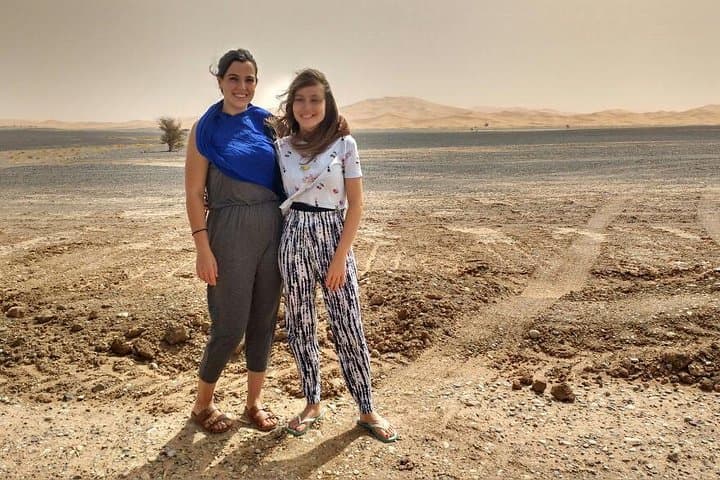
You arrive on the road out of Marrakech as the Atlas climbs and the air thins; switchbacks reveal stony ridges and the light sharpens on mud-brick villages. By the time the convoy drops into the Dades Valley, rock walls have a voice—wind-carved ribs that point the way toward the wide, orange shoulders of Erg Chebbi.
You arrive on the road out of Marrakech as the Atlas climbs and the air thins; switchbacks reveal stony ridges and the light sharpens on mud-brick villages. By the time the convoy drops into the Dades Valley, rock walls have a voice—wind-carved ribs that point the way toward the wide, orange shoulders of Erg Chebbi.
This three-day route follows historic caravan corridors: Tizi n’Tichka over the High Atlas, the fortified ksar of Aït Ben Haddou, then a descent through the Valley of Roses and the Dadès and Todra gorges. Geologically, you move from fractured volcanic and metamorphic ranges into sedimentary canyons and finally wind-blown sand seas—dunes built by centuries of persistent desert breeze.
Culturally, expect Berber hospitality in small towns, shared tagines in riads, and camel handlers whose knowledge of sand and stars is practical craft. Local crafts—rose products in the Dades and date palms lining the Draâ—speak to the region’s irrigation history.
Practical guidance: pack layers for big diurnal swings, allow extra time for road travel, and plan desert photography at sunrise or sunset when dune shadow sculpts detail. Camel rides cover short stretches at slow pace; the night in a desert camp is basic but warm with blankets and a communal dinner under a wide sky. Hydration, sun protection, and stable footwear make the trip comfortable; keep valuables locked in the vehicle during canyon walks. This itinerary is moderate in exertion but long on time in transit—expect long drives traded for high-reward landscapes and a genuine taste of southern Morocco.