THE ADVENTURE COLLECTIVE® · Independent discovery and booking for outdoor travel

Three days moving through canals, orchards and floating markets: dawn boat trips at Cai Rang, homestay evenings in Ben Tre, and wildlife glades in Tra Su. A practical guide to what to expect and how to prepare.
Three days moving through canals, orchards and floating markets: dawn boat trips at Cai Rang, homestay evenings in Ben Tre, and wildlife glades in Tra Su. A practical guide to what to expect and how to prepare.
You push off before dawn and the river answers with a web of paddles and soft motor hums—boats leaning into the slow current as vendors lay out fruit and steaming bowls for the day. The Mekong Delta here is a working landscape: narrow canals framed by water coconut, orchards rising from silt, and floating houses that shift with the seasons.
Verified experiences and guided adventures in the surrounding area.
Operated by Hana Tourist Vietnam · Can Tho, Cần Thơ
You push off before dawn and the river answers with a web of paddles and soft motor hums—boats leaning into the slow current as vendors lay out fruit and steaming bowls for the day. The Mekong Delta here is a working landscape: narrow canals framed by water coconut, orchards rising from silt, and floating houses that shift with the seasons.
Geologically the delta is young—sediment from the Mekong has built this low-lying plain over millennia, creating a patchwork of waterways and wetlands. Culturally the region is layered: Khmer pagodas, Cham weaving villages, and Vietnamese market rhythms meet on the river. Tra Su’s flooded cajuput forest offers a different pace—misted channels and resident waterbirds—while Cai Rang market delivers the intense social commerce of the delta at its loudest, busiest hour.
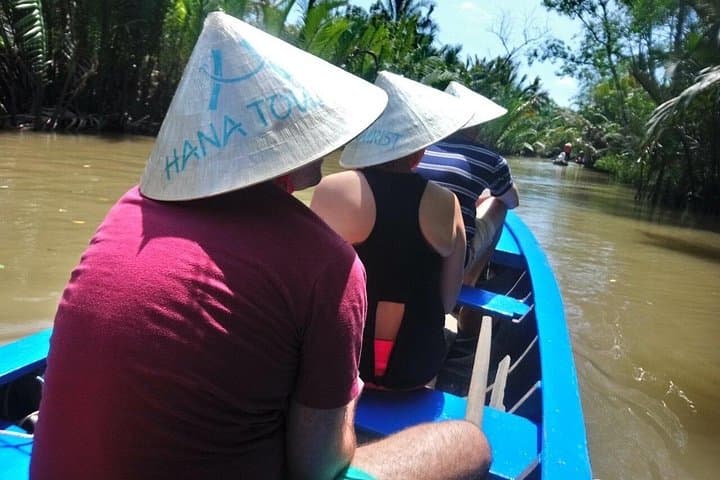
Over three days you’ll move by minivan and boat between Ho Chi Minh City, Ben Tre’s tortoise islet orchards, Can Tho’s early-morning floating market, and the wetlands around Chau Doc and Tra Su. Expect homestay evenings with family meals, short bike rides through village lanes, and boat trips both motorized and rowed.
Practical guidance: pack for humidity and sun, expect early starts (markets are busiest before 7am), and plan for wet feet on small boats and village landings. Bring modest clothing for pagodas, insect repellent for dusk in the wetlands, and an open schedule—river travel is governed by water and weather. This itinerary is sensory and practical: arrive ready to move slowly, listen, and sample local life.
moderate.
3 days.
Light to moderate fitness—comfortable with multiple short boat rides, easy bicycle rides, and periods of standing and boarding small craft.
Routine vaccines should be up to date; consult a travel clinic for advice on hepatitis A, tetanus, and any region-specific recommendations before travel.
Packaged bottled water is recommended; eat cooked foods and freshly prepared fruit from reputable vendors—homestays typically serve safe, home-cooked meals.
Boat departures are typically around 5:00–6:00am to reach the market at peak activity between 5:30–7:30am.
Homestays vary; many offer private rooms and family meals—expect basic comfort, local food, and the chance to learn daily rhythms rather than hotel amenities.
The Mekong Delta formed from centuries of sediment deposition; it has long been a cultural crossroads where Khmer, Cham and Vietnamese communities intersect and trade by water.
The delta faces threats from upstream dams, salinization, and peatland loss—support local conservation-minded homestays and responsible boat operators to minimize impact.
Hana Tourist Vietnam operates guided outdoor trips and adventures with an emphasis on safety, stewardship, and memorable experiences.
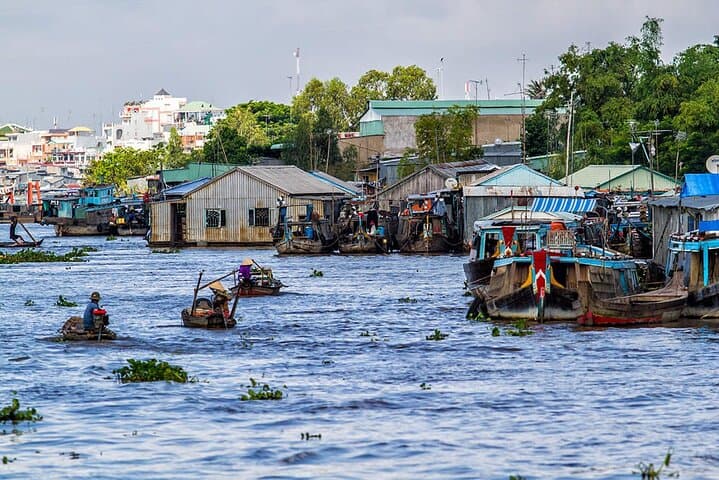
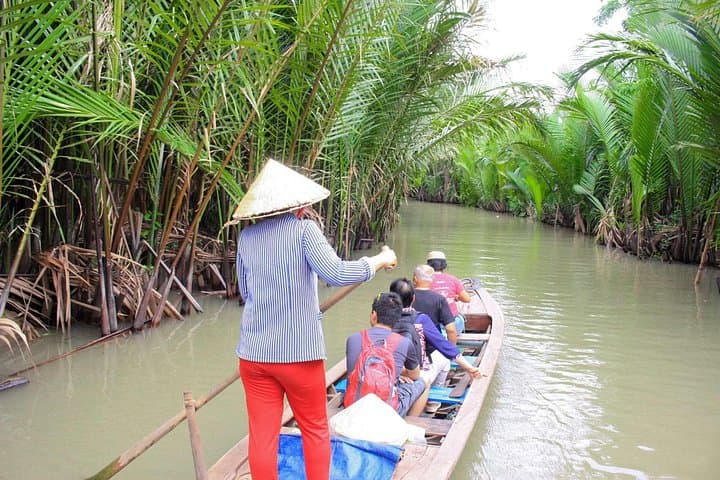
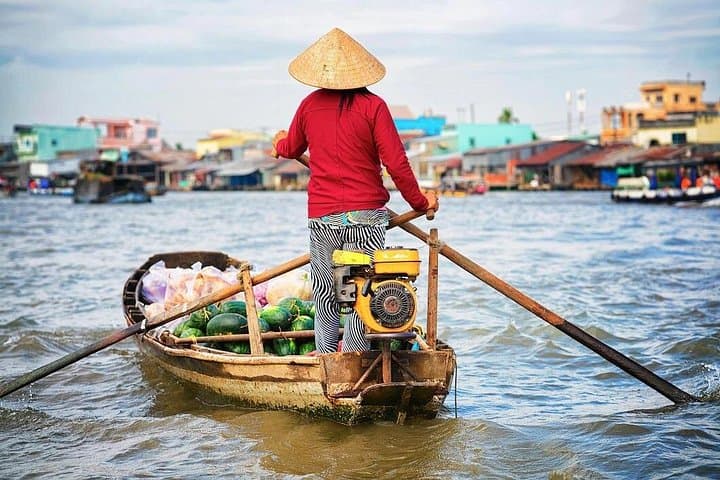
You push off before dawn and the river answers with a web of paddles and soft motor hums—boats leaning into the slow current as vendors lay out fruit and steaming bowls for the day. The Mekong Delta here is a working landscape: narrow canals framed by water coconut, orchards rising from silt, and floating houses that shift with the seasons.
You push off before dawn and the river answers with a web of paddles and soft motor hums—boats leaning into the slow current as vendors lay out fruit and steaming bowls for the day. The Mekong Delta here is a working landscape: narrow canals framed by water coconut, orchards rising from silt, and floating houses that shift with the seasons.
Geologically the delta is young—sediment from the Mekong has built this low-lying plain over millennia, creating a patchwork of waterways and wetlands. Culturally the region is layered: Khmer pagodas, Cham weaving villages, and Vietnamese market rhythms meet on the river. Tra Su’s flooded cajuput forest offers a different pace—misted channels and resident waterbirds—while Cai Rang market delivers the intense social commerce of the delta at its loudest, busiest hour.
Over three days you’ll move by minivan and boat between Ho Chi Minh City, Ben Tre’s tortoise islet orchards, Can Tho’s early-morning floating market, and the wetlands around Chau Doc and Tra Su. Expect homestay evenings with family meals, short bike rides through village lanes, and boat trips both motorized and rowed.
Practical guidance: pack for humidity and sun, expect early starts (markets are busiest before 7am), and plan for wet feet on small boats and village landings. Bring modest clothing for pagodas, insect repellent for dusk in the wetlands, and an open schedule—river travel is governed by water and weather. This itinerary is sensory and practical: arrive ready to move slowly, listen, and sample local life.