THE ADVENTURE COLLECTIVE® · Independent discovery and booking for outdoor travel

Float over migrating herds, track big cats on game drives and sleep in a lodge after each day of watching the Mara’s wild rhythms. This three-day private safari from Nairobi pairs a dawn hot-air balloon flight with classic Masai Mara game-viewing.
Float over migrating herds, track big cats on game drives and sleep in a lodge after each day of watching the Mara’s wild rhythms. This three-day private safari from Nairobi pairs a dawn hot-air balloon flight with classic Masai Mara game-viewing.
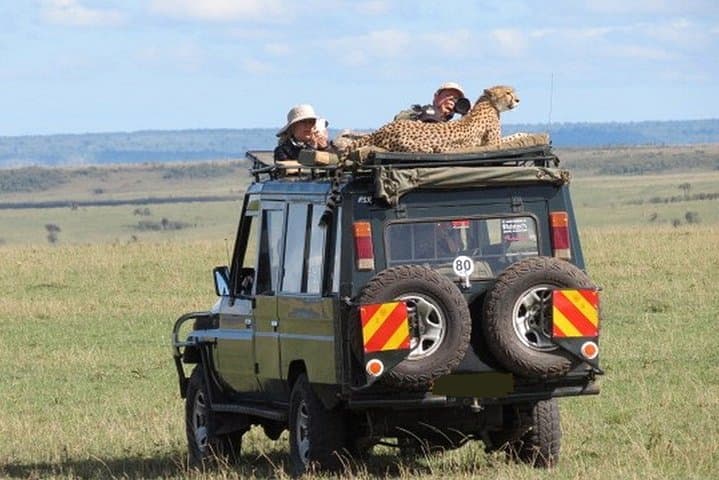
Dawn arrives over the Mara as the Land Cruiser bumps across red earth and the horizon blushes gold. Guests step from a lodge into a wide-open plain where acacia crowns silhouette like watchful guards; if luck leans in your direction, a lion yawns on a termite mound and a herd of wildebeest begins to move, the plains answering with a low, restless energy.
Verified experiences and guided adventures in the surrounding area.
Operated by Sabilom Kenya Tours & Safaris · Narok, Narok County
Dawn arrives over the Mara as the Land Cruiser bumps across red earth and the horizon blushes gold. Guests step from a lodge into a wide-open plain where acacia crowns silhouette like watchful guards; if luck leans in your direction, a lion yawns on a termite mound and a herd of wildebeest begins to move, the plains answering with a low, restless energy.
The Masai Mara sits on the northern edge of the Serengeti ecosystem, a sweep of grassland carved by ancient rivers and the Great Rift Valley. The reserve was set aside in the 1960s and carries both geological depth and living culture — the Maasai people remain visible along tracks and village trails, their guardianship intertwined with modern tourism.
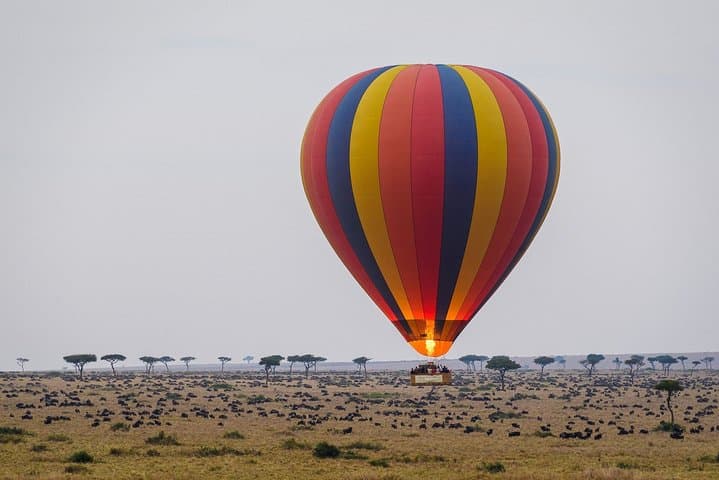
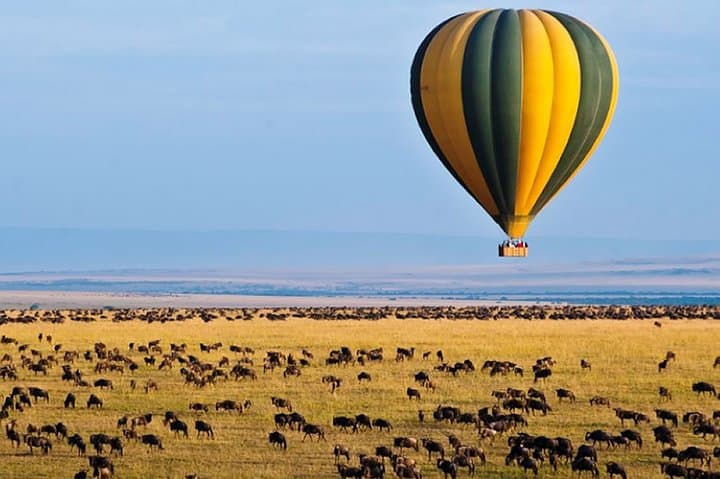
Daylight is for game drives that hunt for big cats and migrating herds; early morning, a hot air balloon lifts silently above the grass to widen the view and reveal river crossings and hidden pockets of life. Evenings return to a comfortable lodge, where local stews and stories map the day.
Logistics are straightforward: Nairobi pickup, roughly 5–6 hours’ drive with a Rift Valley viewpoint stop, lodge stays, an hour-long balloon flight, and full-board meals. Roads can be bumpy and weather will shape timings — rain makes for dramatic skies but slows travel. Pack layers for cold mornings, a good camera with a telephoto, and binoculars; honor local guides and Maasai communities with respect and modest tipping. The trip balances spectacle with simplicity — wildlife that moves, landscapes that breathe, and a schedule built to maximize what the Mara does best: surprise you.
moderate.
3 days.
Reasonable mobility for game drives and short walks; not strenuous but expect early starts and rough roads
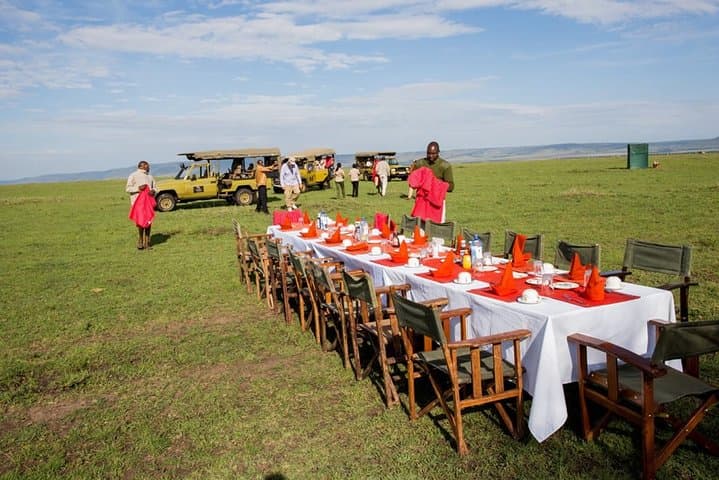
Yes — the package includes a dawn hot air balloon flight with a post-landing champagne-style breakfast.
The Mara’s peak migration presence is typically July through October when herds cross the Mara River, though sightings vary yearly.
Consult a travel clinic; malaria prevention and routine vaccines are commonly recommended for Kenya.
Expect roughly 5–6 hours each way with a short Rift Valley viewpoint stop and a lunch break in Narok.
The Masai Mara Reserve was established in the 1960s and named for the Maasai people who graze and live in the region; tourism and community conservancies now play central roles in local livelihoods.
Support conservancies and licensed guides; stick to vehicle rules and avoid disturbing animals to reduce tourism’s footprint and support long-term protection.
Sabilom Kenya Tours & Safaris operates guided outdoor trips and adventures with an emphasis on safety, stewardship, and memorable experiences.
Dawn arrives over the Mara as the Land Cruiser bumps across red earth and the horizon blushes gold. Guests step from a lodge into a wide-open plain where acacia crowns silhouette like watchful guards; if luck leans in your direction, a lion yawns on a termite mound and a herd of wildebeest begins to move, the plains answering with a low, restless energy.
Dawn arrives over the Mara as the Land Cruiser bumps across red earth and the horizon blushes gold. Guests step from a lodge into a wide-open plain where acacia crowns silhouette like watchful guards; if luck leans in your direction, a lion yawns on a termite mound and a herd of wildebeest begins to move, the plains answering with a low, restless energy.
The Masai Mara sits on the northern edge of the Serengeti ecosystem, a sweep of grassland carved by ancient rivers and the Great Rift Valley. The reserve was set aside in the 1960s and carries both geological depth and living culture — the Maasai people remain visible along tracks and village trails, their guardianship intertwined with modern tourism.
Daylight is for game drives that hunt for big cats and migrating herds; early morning, a hot air balloon lifts silently above the grass to widen the view and reveal river crossings and hidden pockets of life. Evenings return to a comfortable lodge, where local stews and stories map the day.
Logistics are straightforward: Nairobi pickup, roughly 5–6 hours’ drive with a Rift Valley viewpoint stop, lodge stays, an hour-long balloon flight, and full-board meals. Roads can be bumpy and weather will shape timings — rain makes for dramatic skies but slows travel. Pack layers for cold mornings, a good camera with a telephoto, and binoculars; honor local guides and Maasai communities with respect and modest tipping. The trip balances spectacle with simplicity — wildlife that moves, landscapes that breathe, and a schedule built to maximize what the Mara does best: surprise you.