THE ADVENTURE COLLECTIVE® · Independent discovery and booking for outdoor travel

Three days in the Masai Mara deliver concentrated wildlife viewing from a private mid-range camp. Early-morning and late-afternoon game drives focus on the Big Five, river crossings and the pastoral landscapes shaped by the Great Rift Valley.
Three days in the Masai Mara deliver concentrated wildlife viewing from a private mid-range camp. Early-morning and late-afternoon game drives focus on the Big Five, river crossings and the pastoral landscapes shaped by the Great Rift Valley.
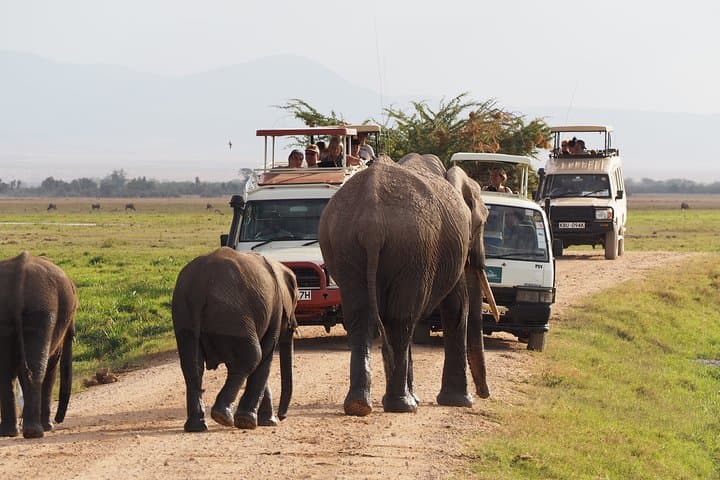
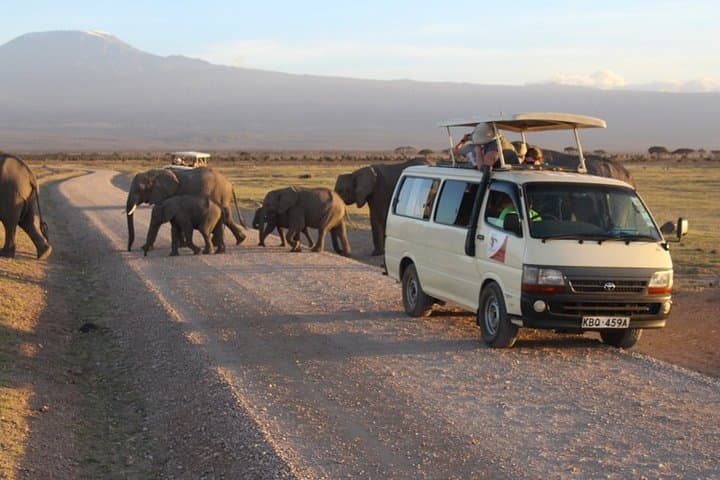
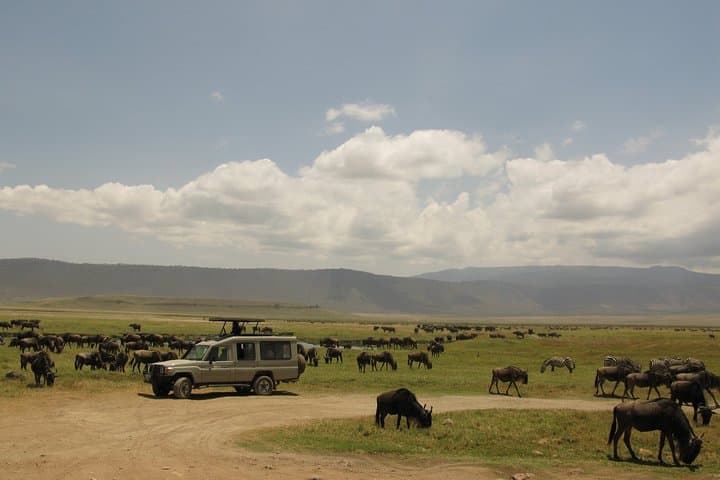
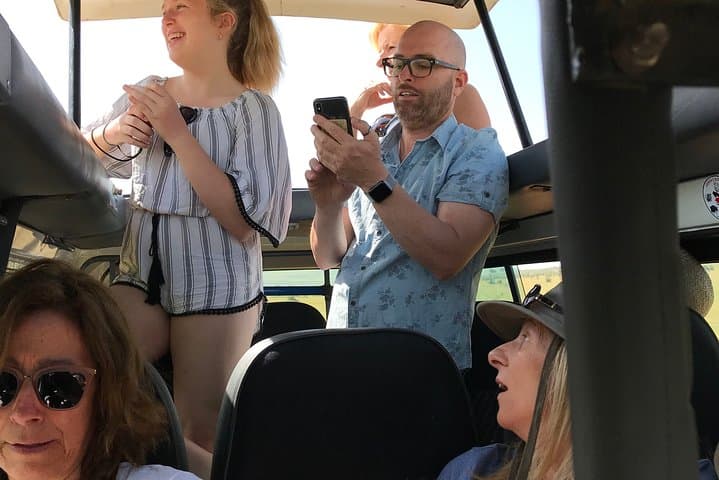
You step out of the pop-up roof and the Mara spreads wide — golden grass cutting under an endless sky, acacia silhouettes punctuating the horizon, and a distant lion’s low call threading through the air.
Verified experiences and guided adventures in the surrounding area.
Operated by Sabilom Kenya Tours & Safaris · Masai Mara, Narok County
You step out of the pop-up roof and the Mara spreads wide — golden grass cutting under an endless sky, acacia silhouettes punctuating the horizon, and a distant lion’s low call threading through the air.
The Masai Mara sits on the southern edge of the Great Rift Valley, a landscape carved by tectonic forces and seasonally driven rivers. Geology here shapes ecology: river bends create crossing points for migrating herds, while low hilltops make excellent vantage points for predators and watchers alike. The Maasai people have grazed cattle and maintained cultural ties to this land for generations; many camps work directly with local communities to link tourism to livelihoods.
Across three days you’ll move between dawn and dusk game drives, scanning for the Big Five and the smaller predators that make the Mara alive. Expect long stretches of open savanna, gallery forest near rivers, and panoramic riverbanks where hippos and crocodiles stake their territory. Guides read the landscape like a map — wind, spoor and bird activity point the way.
Practical guidance: pack neutral clothing, sturdy closed shoes for brief walks, and binoculars for distant sightings. Sunrise and sunset bring the best activity, so set alarms for early departures; mid-day is hot and quiet. Bring Kenyan shillings for small purchases and optional visits to a Maasai village, and budget extra for a hot-air balloon if you want a sky-level perspective. Respect park rules: stay in the vehicle unless your guide says otherwise, keep noise low, and follow distance guidelines — wildlife moves on its own terms and will reward patience.
easy.
3 days.
Suitable for most fitness levels; be prepared for long vehicle days and short walks at camps or community visits.
Consult your travel clinic well before departure—yellow fever vaccination may be required for some travelers; malaria prophylaxis is commonly recommended for the Mara region.
The Mara sees the migration typically between July and October when herds cross from the Serengeti, though resident wildlife is abundant year-round.
No—the balloon is optional and typically offered at an additional cost; bookings may require advance notice and extra fees (listed in the tour details).
Most operators pick up from Nairobi hotels or the airport early on day one and return you to Nairobi on day three; confirm your specific pickup point when booking.
The Maasai people have inhabited and grazed this landscape for centuries; their pastoral culture and knowledge of the land remain visible in village life around the reserve.
The reserve relies on tourism revenue for anti-poaching and community projects; follow park rules, support local guides, and minimize single-use plastics to reduce impact.
Sabilom Kenya Tours & Safaris operates guided outdoor trips and adventures with an emphasis on safety, stewardship, and memorable experiences.
You step out of the pop-up roof and the Mara spreads wide — golden grass cutting under an endless sky, acacia silhouettes punctuating the horizon, and a distant lion’s low call threading through the air.
You step out of the pop-up roof and the Mara spreads wide — golden grass cutting under an endless sky, acacia silhouettes punctuating the horizon, and a distant lion’s low call threading through the air.
The Masai Mara sits on the southern edge of the Great Rift Valley, a landscape carved by tectonic forces and seasonally driven rivers. Geology here shapes ecology: river bends create crossing points for migrating herds, while low hilltops make excellent vantage points for predators and watchers alike. The Maasai people have grazed cattle and maintained cultural ties to this land for generations; many camps work directly with local communities to link tourism to livelihoods.
Across three days you’ll move between dawn and dusk game drives, scanning for the Big Five and the smaller predators that make the Mara alive. Expect long stretches of open savanna, gallery forest near rivers, and panoramic riverbanks where hippos and crocodiles stake their territory. Guides read the landscape like a map — wind, spoor and bird activity point the way.
Practical guidance: pack neutral clothing, sturdy closed shoes for brief walks, and binoculars for distant sightings. Sunrise and sunset bring the best activity, so set alarms for early departures; mid-day is hot and quiet. Bring Kenyan shillings for small purchases and optional visits to a Maasai village, and budget extra for a hot-air balloon if you want a sky-level perspective. Respect park rules: stay in the vehicle unless your guide says otherwise, keep noise low, and follow distance guidelines — wildlife moves on its own terms and will reward patience.