THE ADVENTURE COLLECTIVE® · Independent discovery and booking for outdoor travel

Three days in Masai Mara concentrate the reserve’s best: dawn and dusk game drives, riverbank sightings, and a chance to see the Great Migration during peak months. Expect lodge comfort, experienced guides, and long, dust-swept days in search of the Big Five.
Three days in Masai Mara concentrate the reserve’s best: dawn and dusk game drives, riverbank sightings, and a chance to see the Great Migration during peak months. Expect lodge comfort, experienced guides, and long, dust-swept days in search of the Big Five.
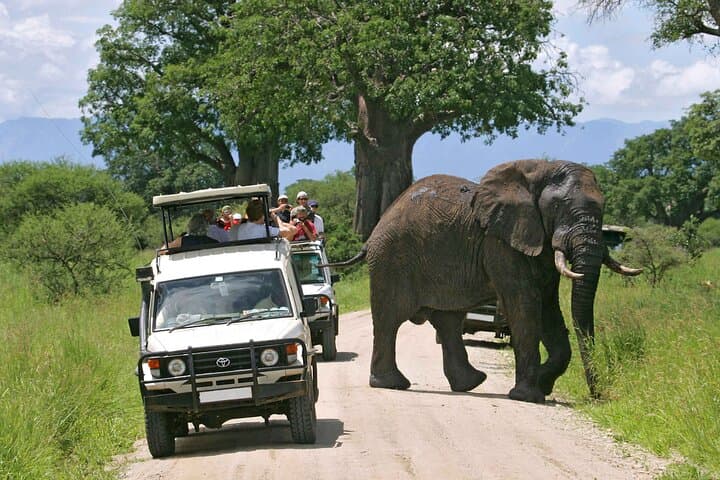
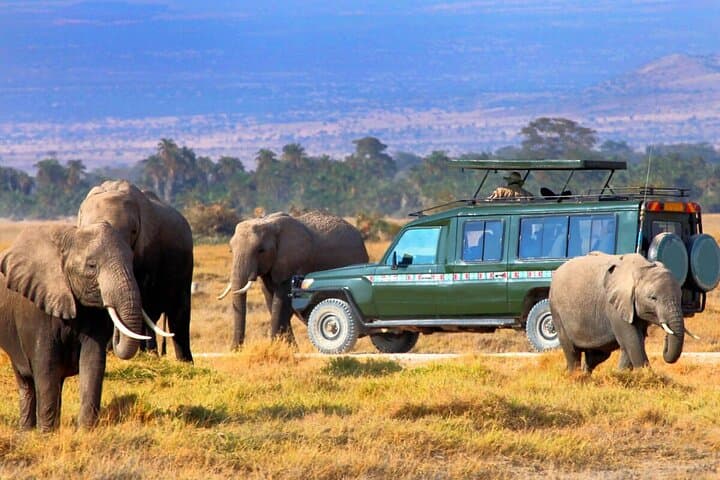
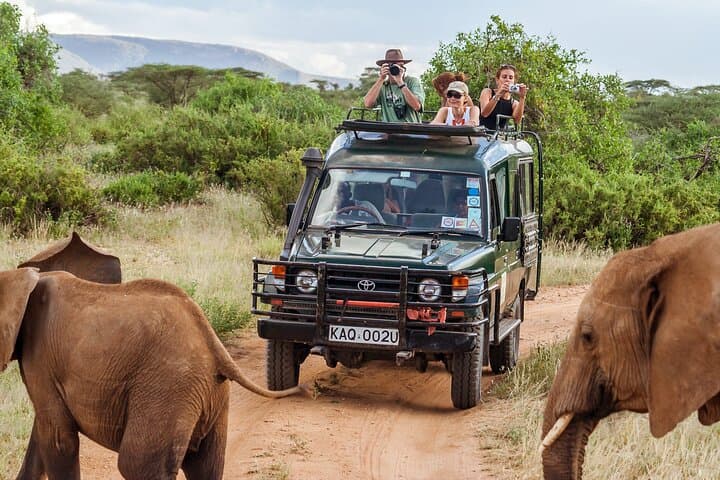
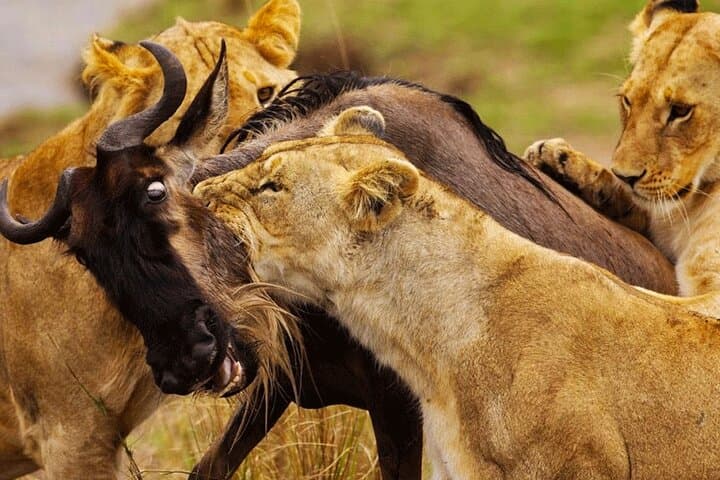
The morning opens with a low, golden light on the Mara grasslands; a pop-up-roof safari van hums along a red track, and the air carries the distant roar of a lion. You arrive at a mid-range lodge, drop bags, and slip straight into the first late-afternoon game drive — acacia silhouettes cutting the horizon as herds graze.
Verified experiences and guided adventures in the surrounding area.
Operated by Gracepatt Ecotours Kenya · Narok, Narok County
The morning opens with a low, golden light on the Mara grasslands; a pop-up-roof safari van hums along a red track, and the air carries the distant roar of a lion. You arrive at a mid-range lodge, drop bags, and slip straight into the first late-afternoon game drive — acacia silhouettes cutting the horizon as herds graze.
Masai Mara National Reserve sits on the eastern edge of the Serengeti ecosystem, a landscape carved by the Great Rift Valley fault line. Formally protected in the 1960s, the Mara’s rolling plains and riverine galleries support year-round predators and the seasonal drama of the Great Migration. The Maasai people have grazed these plains for generations; cultural visits to local villages reveal a living pastoral tradition that coexists with tourism.
Over three days you follow game-drive rhythms: dawn and dusk searches when predators are most active, picnic lunches by the Mara River, and early-morning tracking of big cats. Guides read spoor, steer you to crossings, and keep watches against heat and dust. Expect dusty roads, pop-up roof viewing, and compact lodges offering basic comforts without luxury frills.
Practical guidance: pack neutral clothing, a good pair of binoculars, sun protection and a light rain jacket — weather shifts quickly around the escarpment. Bring local currency for tips and market purchases, charge electronics nightly, and stay hydrated on long drives. If you want a balloon flight or village visit, reserve in advance; both are popular add-ons. This itinerary delivers concentrated wildlife viewing with practical convenience for first-time safari travelers.
easy.
3 days.
Suitable for most fitness levels; expect long periods seated in vehicles and short, easy walks at camps.
Consult your doctor before travel; malaria risk exists in the Mara, so many travelers take prophylaxis and use insect repellent and nets where provided.
Yes — many lodges accept children but children must sit on laps for some bookings and long drives can be tiring; check age policies when booking.
Yes — balloon safaris operate from the Mara and can be arranged in advance; they are seasonal and often sell out, with an extra cost.
Carry Kenyan shillings for local purchases and small tips; tipping guides and lodge staff is customary and appreciated.
The Maasai have grazed this land for centuries and the Reserve was formally protected in the 1960s to conserve migratory routes and wildlife populations.
Community conservancies and responsible-lodge practices help fund local conservation; stick to vehicle tracks and avoid disturbing wildlife to reduce your impact.
Gracepatt Ecotours Kenya operates guided outdoor trips and adventures with an emphasis on safety, stewardship, and memorable experiences.
The morning opens with a low, golden light on the Mara grasslands; a pop-up-roof safari van hums along a red track, and the air carries the distant roar of a lion. You arrive at a mid-range lodge, drop bags, and slip straight into the first late-afternoon game drive — acacia silhouettes cutting the horizon as herds graze.
The morning opens with a low, golden light on the Mara grasslands; a pop-up-roof safari van hums along a red track, and the air carries the distant roar of a lion. You arrive at a mid-range lodge, drop bags, and slip straight into the first late-afternoon game drive — acacia silhouettes cutting the horizon as herds graze.
Masai Mara National Reserve sits on the eastern edge of the Serengeti ecosystem, a landscape carved by the Great Rift Valley fault line. Formally protected in the 1960s, the Mara’s rolling plains and riverine galleries support year-round predators and the seasonal drama of the Great Migration. The Maasai people have grazed these plains for generations; cultural visits to local villages reveal a living pastoral tradition that coexists with tourism.
Over three days you follow game-drive rhythms: dawn and dusk searches when predators are most active, picnic lunches by the Mara River, and early-morning tracking of big cats. Guides read spoor, steer you to crossings, and keep watches against heat and dust. Expect dusty roads, pop-up roof viewing, and compact lodges offering basic comforts without luxury frills.
Practical guidance: pack neutral clothing, a good pair of binoculars, sun protection and a light rain jacket — weather shifts quickly around the escarpment. Bring local currency for tips and market purchases, charge electronics nightly, and stay hydrated on long drives. If you want a balloon flight or village visit, reserve in advance; both are popular add-ons. This itinerary delivers concentrated wildlife viewing with practical convenience for first-time safari travelers.