THE ADVENTURE COLLECTIVE® · Independent discovery and booking for outdoor travel

Three days in the Masai Mara deliver concentrated wildlife viewing: morning and evening game drives, big-five sightings, and the chance to witness the great wildebeest migration in season. This shared safari includes transport from Nairobi, park fees, and full-board camp stays—expect early starts, dusty tracks, and unforgettable close encounters.
Three days in the Masai Mara deliver concentrated wildlife viewing: morning and evening game drives, big-five sightings, and the chance to witness the great wildebeest migration in season. This shared safari includes transport from Nairobi, park fees, and full-board camp stays—expect early starts, dusty tracks, and unforgettable close encounters.
You arrive as the savanna stretches flat to the horizon and the air tastes faintly of dust and dry grass. Early morning light pins long shadows under acacia trees; hippos grumble from river bends and a distant thunder of hooves marks a migrating herd. The Masai Mara announces itself with movement—lions yawning into the day, vultures circling thermals, and the steady pulse of life that defines this reserve.
Verified experiences and guided adventures in the surrounding area.
Operated by Panda Tours and Safaris Ltd · Narok, Narok County
You arrive as the savanna stretches flat to the horizon and the air tastes faintly of dust and dry grass. Early morning light pins long shadows under acacia trees; hippos grumble from river bends and a distant thunder of hooves marks a migrating herd. The Masai Mara announces itself with movement—lions yawning into the day, vultures circling thermals, and the steady pulse of life that defines this reserve.
Geologically the Mara sits on the western rim of the Great Rift Valley, its open grassland shaped by seasonal rivers and erosion. The reserve’s fortunes and fame are tied to the wildebeest migration—over a million animals that arrive in July and pass through into October—making this an especially intense period for predator-prey encounters. Culturally, the Maasai communities around the reserve have grazed these plains for generations; many camps and guides work with local families and community conservancies.
Practically, this joining safari runs three days from Nairobi with shared popup-van transport, park entry, two full days of game drives, and basic full-board accommodation at Miti Mingi Camp. Expect long but rewarding game drives: dusty tracks, early wakeups, and frequent stops for sightings. Vehicles are open-roof or pop-up, so pack layers, sun protection, and binoculars. Bring Kenyan shillings for tips and small purchases; connectivity is limited and wildlife encounters are best enjoyed without screens.
For timing, the dry season (June–October) is peak viewing; rains change road conditions but also mean fewer tourists and lush scenery. Respect park rules, minimize noise, and follow your guide—these are the gestures that keep the Mara wild and accessible for everyone.
moderate.
3 days.
Suitable for travelers in average physical condition; days involve long periods in a vehicle and short walks at camps.
This tour provides pickup from a Nairobi meeting point (Clarion Hotel) and includes return transport by road; the drive is roughly 4–6 hours depending on traffic and stops.
The Mara hosts all Big Five species; sightings can’t be guaranteed, but three days of targeted game drives significantly increase your chances.
Accommodation is at Miti Mingi Camp on a full-board basis with double rooms, linens, towels and mosquito nets—comfortable basic safari lodging rather than luxury lodge standards.
Yes—game viewing is conducted with professional guides and camps follow park safety protocols; supervise children near camp boundaries and follow guide instructions during drives.
The Masai Mara sits on the western edge of the Great Rift Valley and was designated as a protected area in the 1960s; its name honors the Maasai people who graze these plains.
Tourism supports community conservancies and anti-poaching patrols; stick to official roads and camps to reduce disturbance and support local conservation efforts.
Panda Tours and Safaris Ltd operates guided outdoor trips and adventures with an emphasis on safety, stewardship, and memorable experiences.

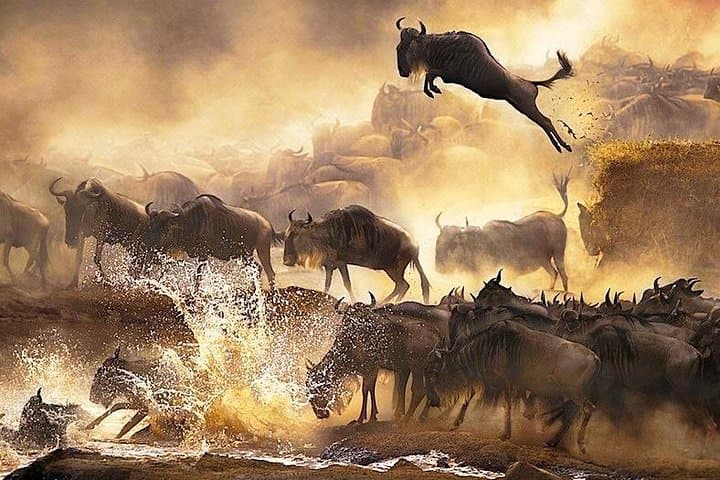

You arrive as the savanna stretches flat to the horizon and the air tastes faintly of dust and dry grass. Early morning light pins long shadows under acacia trees; hippos grumble from river bends and a distant thunder of hooves marks a migrating herd. The Masai Mara announces itself with movement—lions yawning into the day, vultures circling thermals, and the steady pulse of life that defines this reserve.
You arrive as the savanna stretches flat to the horizon and the air tastes faintly of dust and dry grass. Early morning light pins long shadows under acacia trees; hippos grumble from river bends and a distant thunder of hooves marks a migrating herd. The Masai Mara announces itself with movement—lions yawning into the day, vultures circling thermals, and the steady pulse of life that defines this reserve.
Geologically the Mara sits on the western rim of the Great Rift Valley, its open grassland shaped by seasonal rivers and erosion. The reserve’s fortunes and fame are tied to the wildebeest migration—over a million animals that arrive in July and pass through into October—making this an especially intense period for predator-prey encounters. Culturally, the Maasai communities around the reserve have grazed these plains for generations; many camps and guides work with local families and community conservancies.
Practically, this joining safari runs three days from Nairobi with shared popup-van transport, park entry, two full days of game drives, and basic full-board accommodation at Miti Mingi Camp. Expect long but rewarding game drives: dusty tracks, early wakeups, and frequent stops for sightings. Vehicles are open-roof or pop-up, so pack layers, sun protection, and binoculars. Bring Kenyan shillings for tips and small purchases; connectivity is limited and wildlife encounters are best enjoyed without screens.
For timing, the dry season (June–October) is peak viewing; rains change road conditions but also mean fewer tourists and lush scenery. Respect park rules, minimize noise, and follow your guide—these are the gestures that keep the Mara wild and accessible for everyone.