THE ADVENTURE COLLECTIVE® · Independent discovery and booking for outdoor travel

Three days of early-morning and late-afternoon game drives into Masai Mara’s open grasslands—stay at a lodge, watch river crossings, and search for the Big Five during peak migration months.
Three days of early-morning and late-afternoon game drives into Masai Mara’s open grasslands—stay at a lodge, watch river crossings, and search for the Big Five during peak migration months.
You climb into a pop-up 4x4 before dawn as the reserve exhales cool air and the grasslands stretch toward the western escarpment. Headlights pick out pairs of eyes, and the Mara River threads the plain—its crossings a stage for wildebeest and crocodile drama. By noon the lodge’s verandah offers a warm plate and a view that feels earned.
Verified experiences and guided adventures in the surrounding area.
Operated by Gracepatt Ecotours Kenya · Masai Mara, N/A
You climb into a pop-up 4x4 before dawn as the reserve exhales cool air and the grasslands stretch toward the western escarpment. Headlights pick out pairs of eyes, and the Mara River threads the plain—its crossings a stage for wildebeest and crocodile drama. By noon the lodge’s verandah offers a warm plate and a view that feels earned.
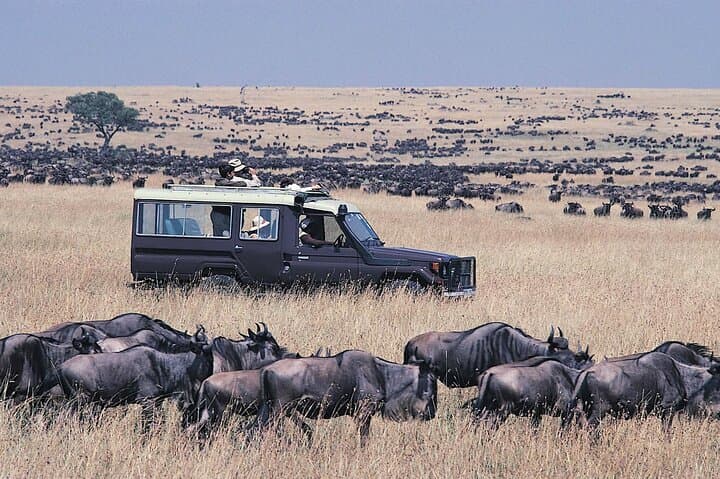
The Masai Mara sits on the floor of the Great Rift Valley in southwest Kenya, roughly 1,500 meters above sea level and covering about 1,510 km² of rolling grassland, riverine forest, and seasonal wetlands. The area is central to the Great Migration—1.5 million wildebeest move between Serengeti and Mara July–November—and has long been grazed and managed by Maasai pastoralists whose culture remains visible at nearby bomas.
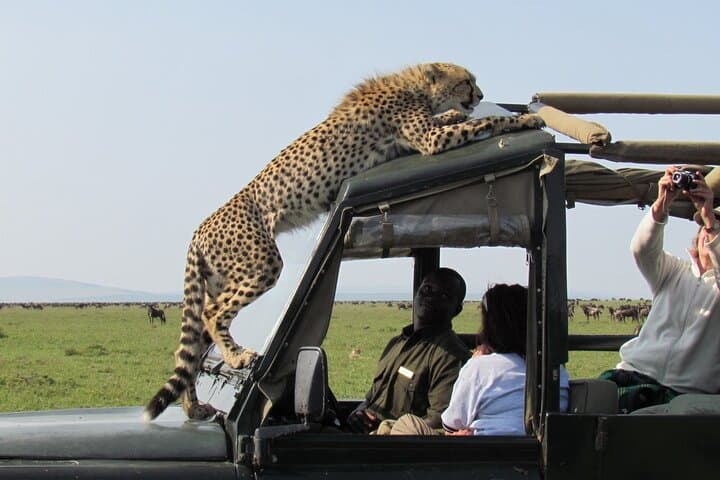
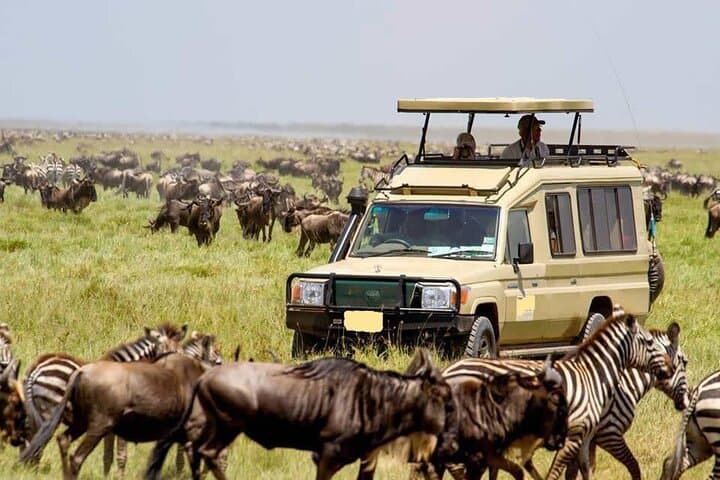
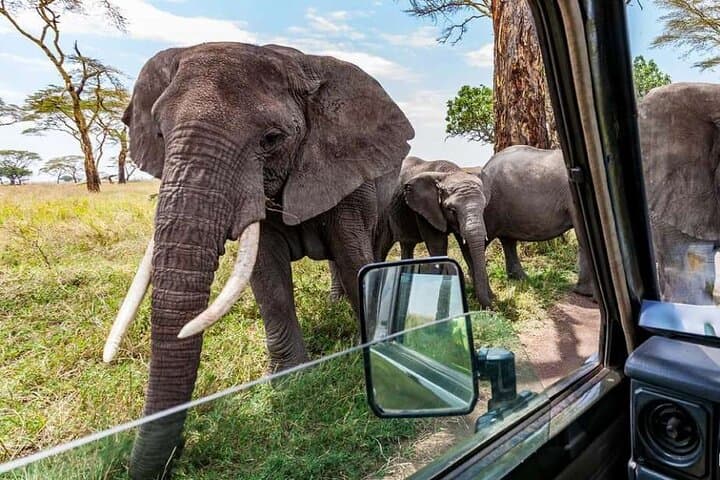
A typical 3-day lodge safari runs early morning and late afternoon game drives in pop-up-roof Land Cruisers, with full-day game viewing focused around river corridors and the western escarpment. Expect long stretches in the vehicle, short walks at viewpoints, and close-but-respectful wildlife encounters: lions, elephants, buffalo, leopards, rhino, cheetah, hyena, hippo, and vast herds of zebra and wildebeest.
Practically, pack layered clothing for cool mornings and hot afternoons, binoculars, a good telephoto lens, malaria precautions, and sun protection. Drive times from Nairobi are 4–6 hours; flights to nearby airstrips cut transfer time. Book lodge space and park entry in advance, travel with a licensed guide, and keep to park rules—your best sightings come from patience and attentive driving.
easy.
3 days.
Light fitness needed: able to sit for long drives and walk short, uneven sections at viewpoints
The main arrivals in Masai Mara are July through October, when river crossings peak; timing varies yearly with rains.
Road transfers typically take 4–6 hours depending on traffic and stops; scheduled flights to Mara airstrips cut travel to ~45 minutes.
This lodge package includes accommodation, most meals listed, park entry fees, and transport in a 4x4 with pop-up roof—confirm specifics when booking.
Masai Mara is in a malaria zone; consult a travel clinic for up-to-date prophylaxis advice and bring insect repellent and mosquito netting where provided.
The reserve takes its name from the Maasai people who have grazed these plains for generations; the area became a formal protected reserve during the 20th century while Maasai culture continues nearby.
Conservation is driven by park authorities and community conservancies; stay on roads, follow guide instructions, and support local operators to reduce impact.
Gracepatt Ecotours Kenya operates guided outdoor trips and adventures with an emphasis on safety, stewardship, and memorable experiences.
You climb into a pop-up 4x4 before dawn as the reserve exhales cool air and the grasslands stretch toward the western escarpment. Headlights pick out pairs of eyes, and the Mara River threads the plain—its crossings a stage for wildebeest and crocodile drama. By noon the lodge’s verandah offers a warm plate and a view that feels earned.
You climb into a pop-up 4x4 before dawn as the reserve exhales cool air and the grasslands stretch toward the western escarpment. Headlights pick out pairs of eyes, and the Mara River threads the plain—its crossings a stage for wildebeest and crocodile drama. By noon the lodge’s verandah offers a warm plate and a view that feels earned.
The Masai Mara sits on the floor of the Great Rift Valley in southwest Kenya, roughly 1,500 meters above sea level and covering about 1,510 km² of rolling grassland, riverine forest, and seasonal wetlands. The area is central to the Great Migration—1.5 million wildebeest move between Serengeti and Mara July–November—and has long been grazed and managed by Maasai pastoralists whose culture remains visible at nearby bomas.
A typical 3-day lodge safari runs early morning and late afternoon game drives in pop-up-roof Land Cruisers, with full-day game viewing focused around river corridors and the western escarpment. Expect long stretches in the vehicle, short walks at viewpoints, and close-but-respectful wildlife encounters: lions, elephants, buffalo, leopards, rhino, cheetah, hyena, hippo, and vast herds of zebra and wildebeest.
Practically, pack layered clothing for cool mornings and hot afternoons, binoculars, a good telephoto lens, malaria precautions, and sun protection. Drive times from Nairobi are 4–6 hours; flights to nearby airstrips cut transfer time. Book lodge space and park entry in advance, travel with a licensed guide, and keep to park rules—your best sightings come from patience and attentive driving.