THE ADVENTURE COLLECTIVE® · Independent discovery and booking for outdoor travel

Three days from Nairobi deliver concentrated Masai Mara wildlife viewing: morning and evening game drives, a picnic by the Mara River, and two nights at a midrange tented camp. Expect early starts, dusty roads, and close-up encounters with plains wildlife.
Three days from Nairobi deliver concentrated Masai Mara wildlife viewing: morning and evening game drives, a picnic by the Mara River, and two nights at a midrange tented camp. Expect early starts, dusty roads, and close-up encounters with plains wildlife.
Dawn breaks over tall grass and a rumble of hooves rolls through the plains — this is the Masai Mara at first light. Travelers arrive by road from Nairobi, crossing the Great Rift Valley and coming to rest at a midrange tented camp where canvas walls give way to wide horizons and nightly lion calls.
Verified experiences and guided adventures in the surrounding area.
Operated by AXIS AFRICA SAFARIS · Masai Mara National Reserve, Narok County
Dawn breaks over tall grass and a rumble of hooves rolls through the plains — this is the Masai Mara at first light. Travelers arrive by road from Nairobi, crossing the Great Rift Valley and coming to rest at a midrange tented camp where canvas walls give way to wide horizons and nightly lion calls.
The Masai Mara National Reserve sits at the northern edge of the Serengeti ecosystem; its rolling plains and the Mara River were carved by tectonic activity tied to the Rift Valley, creating seasonal floodplains that concentrate wildlife. The Maasai people have grazed the surrounding lands for generations, and many camps work with local communities to support conservation and cultural visits.
Days here are measured in game drives: morning light reveals stalking cats, midday is for river-side picnics and listening to hippos grumble, and late-afternoon drives chase long shadows across kopjes. The reserve’s geology — short escarpments and riverine forest — shapes where animals gather, especially at the Mara River during migration season.
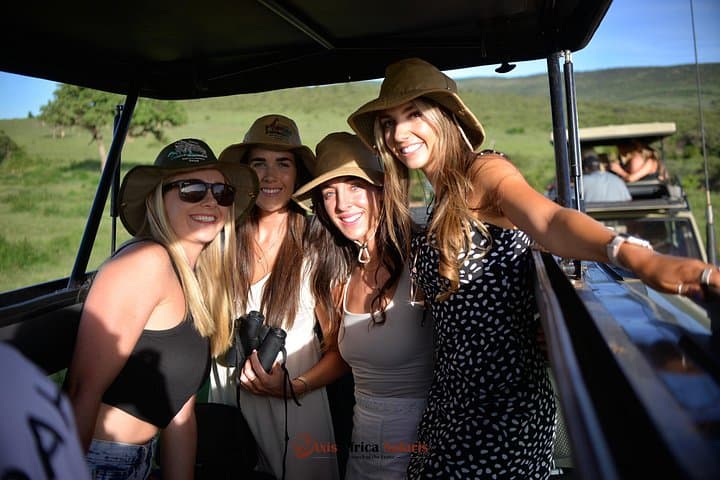
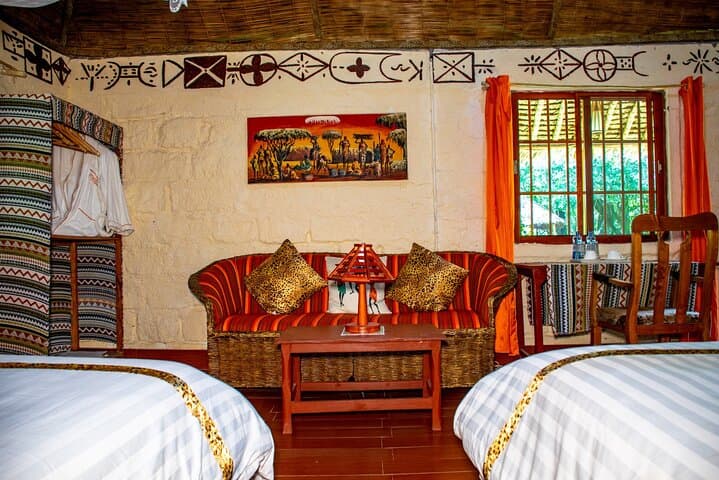
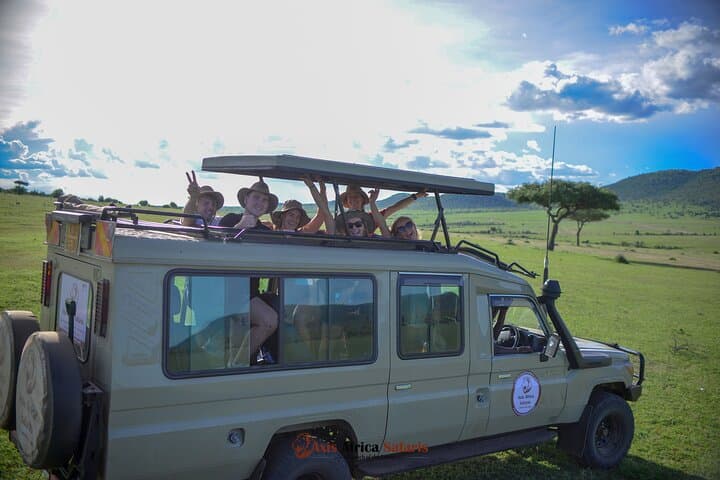
Practically, expect long drives in a 4x4, dusty roads, tented accommodations with private facilities, and early wakeups for wildlife windows. Bring layered clothing for hot afternoons and cool mornings, water, and a good pair of binoculars. Respect local guides and Maasai village customs if you choose the optional walk to a village. The itinerary returns to Nairobi on day three, leaving a clear sense of the Mara’s scale and why it ranks among Africa’s premier wildlife destinations.
easy.
3 days (approx. 72 hours).
Light fitness required — able to manage long vehicle drives and short walks; minimal hiking.
Many nationalities require a Kenyan visa and yellow fever vaccination is recommended if arriving from endemic areas; check current government and health guidance before travel.
Confirm with the operator — some multi-day packages include park fees while others list them as separate; the provided itinerary indicates admissions are handled within the tour.
The tour notes infants must sit on laps; safaris are generally family-friendly but check vehicle capacity and child policies with the operator.
Expect the Big Five to be possible sightings, large herds of plains game, hippos at river bends, and abundant birdlife — sightings vary by season and luck.
The Masai Mara is named after the Maasai people and was formally designated as a reserve in the 1960s; it forms the northern continuation of the Serengeti ecosystem.
Community conservancies and regulated tourism help fund habitat protection, but human-wildlife conflict and poaching remain management priorities; choose operators that support local conservation.
AXIS AFRICA SAFARIS operates guided outdoor trips and adventures with an emphasis on safety, stewardship, and memorable experiences.

Dawn breaks over tall grass and a rumble of hooves rolls through the plains — this is the Masai Mara at first light. Travelers arrive by road from Nairobi, crossing the Great Rift Valley and coming to rest at a midrange tented camp where canvas walls give way to wide horizons and nightly lion calls.
Dawn breaks over tall grass and a rumble of hooves rolls through the plains — this is the Masai Mara at first light. Travelers arrive by road from Nairobi, crossing the Great Rift Valley and coming to rest at a midrange tented camp where canvas walls give way to wide horizons and nightly lion calls.
The Masai Mara National Reserve sits at the northern edge of the Serengeti ecosystem; its rolling plains and the Mara River were carved by tectonic activity tied to the Rift Valley, creating seasonal floodplains that concentrate wildlife. The Maasai people have grazed the surrounding lands for generations, and many camps work with local communities to support conservation and cultural visits.
Days here are measured in game drives: morning light reveals stalking cats, midday is for river-side picnics and listening to hippos grumble, and late-afternoon drives chase long shadows across kopjes. The reserve’s geology — short escarpments and riverine forest — shapes where animals gather, especially at the Mara River during migration season.
Practically, expect long drives in a 4x4, dusty roads, tented accommodations with private facilities, and early wakeups for wildlife windows. Bring layered clothing for hot afternoons and cool mornings, water, and a good pair of binoculars. Respect local guides and Maasai village customs if you choose the optional walk to a village. The itinerary returns to Nairobi on day three, leaving a clear sense of the Mara’s scale and why it ranks among Africa’s premier wildlife destinations.