THE ADVENTURE COLLECTIVE® · Independent discovery and booking for outdoor travel

Three days in the Masai Mara compress decades of ecosystem drama into guided game drives, sunset drinks and early-morning predator quests. This guide explains what to expect on the road, the ecosystems you’ll enter, and the practical gear and timing to make the most of the Mara.
Three days in the Masai Mara compress decades of ecosystem drama into guided game drives, sunset drinks and early-morning predator quests. This guide explains what to expect on the road, the ecosystems you’ll enter, and the practical gear and timing to make the most of the Mara.
Dawn breaks over a rolling savanna and your vehicle threads through a low mist, acacia crowns etched against a pale sky. In those first hours the Mara feels deliberate — grass stirring, birds calling, predators sizing up the light — and a guide's voice becomes your map to what's moving beyond the horizon.
Verified experiences and guided adventures in the surrounding area.
Operated by Besh African Adventures · Narok, Narok County
Dawn breaks over a rolling savanna and your vehicle threads through a low mist, acacia crowns etched against a pale sky. In those first hours the Mara feels deliberate — grass stirring, birds calling, predators sizing up the light — and a guide's voice becomes your map to what's moving beyond the horizon.
The Masai Mara sits at the southern edge of the East African Rift system; its riverine thickets and wide plains have shaped both wildlife patterns and Maasai pastoral life for centuries. The reserve is the northern extension of the Serengeti ecosystem and a key corridor for the great wildebeest migration, while local Maasai communities maintain a cultural presence visible in beadwork, song and grazing patterns.
Expect full- and half-day game drives, sundowner stops and early-morning sorties to catch predators on the move. Distances are substantial — Nairobi to the Mara is roughly 270 km by road (4.5–6 hours depending on traffic and gate procedures) — and the reserve sits around 1,400–1,800 m elevation, which keeps daytime temperatures comfortable but mornings crisp.
Practically: pack layered clothing for chilly mornings and hot afternoons, binoculars and a camera with a good zoom, and bring sunscreen and plenty of water. Guides handle navigation, park permits and picnic lunches; sightings (including the Big Five and river crossings during migration season) are common but never guaranteed. If you want faster transfers, light aircraft flights to Mara airstrips cut travel time and add scenic value. With a mix of cultural stops, evening campfire briefings and long hours tracking wildlife, a three-day itinerary delivers a concentrated, tactile encounter with East Africa's most famous plains.
easy.
3 days.
Suitable for travelers of average fitness—mostly vehicle-based with short walks; be prepared for early starts and bumpy roads.
Park fees and permits vary by operator; some multi-day packages include them while others list them as additional—confirm with the supplier before booking.
By road it’s typically 4.5–6 hours depending on route and gate times; a 30–45 minute charter flight is an alternative for faster transfers.
Common sightings include the Big Five (lion, leopard, elephant, buffalo, rhino seen less often), large herds of wildebeest and zebra, and abundant plains game and birds—sightings are frequent but never guaranteed.
The Mara is a malaria zone—consult a travel clinic about prophylaxis; routine travel vaccines are recommended and yellow fever requirements depend on travel history and vaccination rules.
The Masai Mara is part of the greater Serengeti ecosystem and has long been used by Maasai pastoralists; conservation and tourism developed in the 20th century to protect migration routes.
Conservation relies on community-based land-use and tourism revenue; choose operators that support local communities and follow park rules to reduce disturbance.
Besh African Adventures operates guided outdoor trips and adventures with an emphasis on safety, stewardship, and memorable experiences.
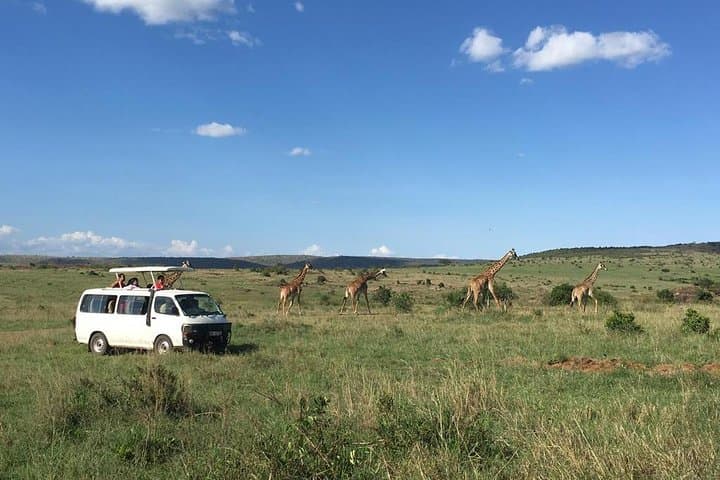
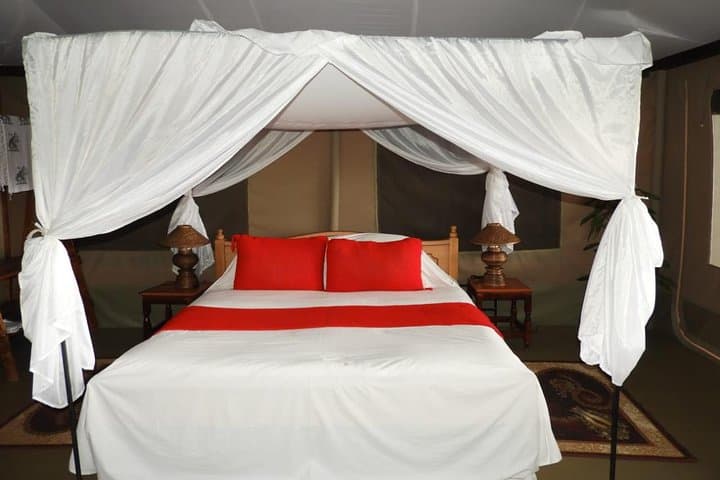
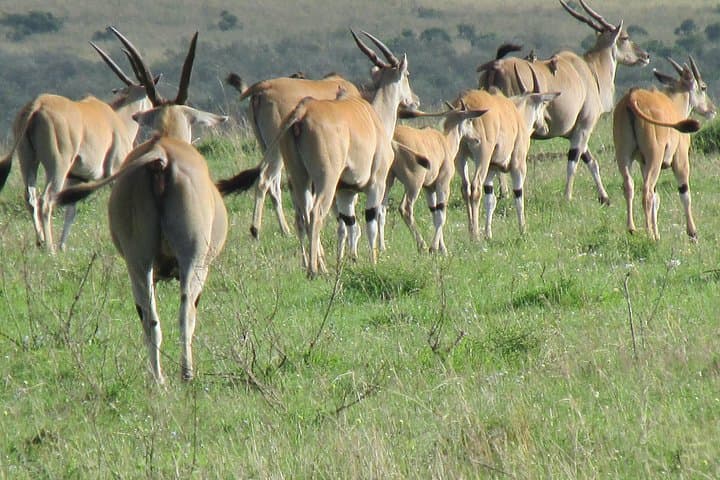
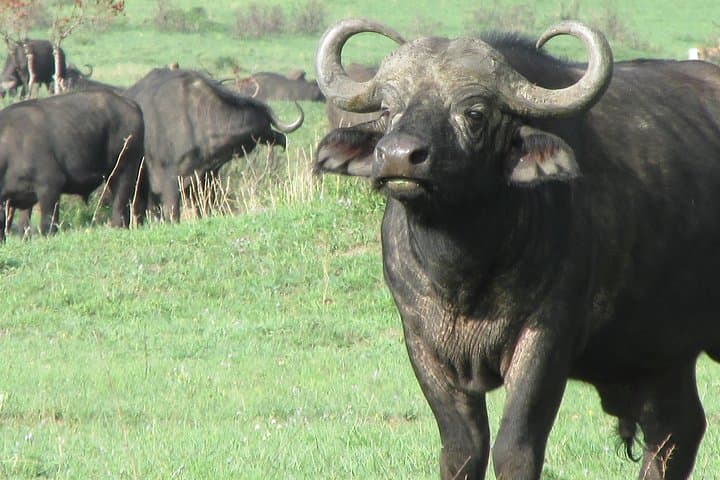
Dawn breaks over a rolling savanna and your vehicle threads through a low mist, acacia crowns etched against a pale sky. In those first hours the Mara feels deliberate — grass stirring, birds calling, predators sizing up the light — and a guide's voice becomes your map to what's moving beyond the horizon.
Dawn breaks over a rolling savanna and your vehicle threads through a low mist, acacia crowns etched against a pale sky. In those first hours the Mara feels deliberate — grass stirring, birds calling, predators sizing up the light — and a guide's voice becomes your map to what's moving beyond the horizon.
The Masai Mara sits at the southern edge of the East African Rift system; its riverine thickets and wide plains have shaped both wildlife patterns and Maasai pastoral life for centuries. The reserve is the northern extension of the Serengeti ecosystem and a key corridor for the great wildebeest migration, while local Maasai communities maintain a cultural presence visible in beadwork, song and grazing patterns.
Expect full- and half-day game drives, sundowner stops and early-morning sorties to catch predators on the move. Distances are substantial — Nairobi to the Mara is roughly 270 km by road (4.5–6 hours depending on traffic and gate procedures) — and the reserve sits around 1,400–1,800 m elevation, which keeps daytime temperatures comfortable but mornings crisp.
Practically: pack layered clothing for chilly mornings and hot afternoons, binoculars and a camera with a good zoom, and bring sunscreen and plenty of water. Guides handle navigation, park permits and picnic lunches; sightings (including the Big Five and river crossings during migration season) are common but never guaranteed. If you want faster transfers, light aircraft flights to Mara airstrips cut travel time and add scenic value. With a mix of cultural stops, evening campfire briefings and long hours tracking wildlife, a three-day itinerary delivers a concentrated, tactile encounter with East Africa's most famous plains.