THE ADVENTURE COLLECTIVE® · Independent discovery and booking for outdoor travel

Three days in the Masai Mara and Lake Nakuru deliver close encounters with the Big Five, dramatic river crossings, and broad savannah views. This compact safari blends full-day game drives, tented-camp nights, and local cultural insights for first-time visitors and repeat wildlife fans.
Three days in the Masai Mara and Lake Nakuru deliver close encounters with the Big Five, dramatic river crossings, and broad savannah views. This compact safari blends full-day game drives, tented-camp nights, and local cultural insights for first-time visitors and repeat wildlife fans.
Dawn breaks across the Masai Mara and the savannah exhales gold. A convoy of open-roof jeeps threads through rolling grass, guides scanning the horizon for movement; vultures quarter the sky and the Mara River gleams like a ribbon daring the wildebeest to cross.
Verified experiences and guided adventures in the surrounding area.
Operated by Bush Camp Tours · Narok, Narok County
Dawn breaks across the Masai Mara and the savannah exhales gold. A convoy of open-roof jeeps threads through rolling grass, guides scanning the horizon for movement; vultures quarter the sky and the Mara River gleams like a ribbon daring the wildebeest to cross.
The reserve sits on the southern edge of the Great Rift Valley, formed by tectonic plates that split East Africa and sculpted the escarpments visitors drive through. Maasai communities have lived alongside this wildlife for generations; their bomas and beadwork are as much a part of the landscape as termite mounds and kopjes. Nearby Lake Nakuru adds geological contrast—an alkaline lake attracting vast flamingo flocks when water levels allow.
Over three days, expect morning and late-afternoon game drives aimed at peak animal activity, a full day dedicated to tracking big cats and grazing herds, and a transfer that passes Nakuru’s flamingo shores. Accommodations are in a tented camp with communal meals and evening bonfires—comfort with close contact to nocturnal sounds.
Practical notes: vehicles are often high-clearance 4x4s; long drives are dusty so pack a face covering and layers for chilly mornings. Wildlife sightings are weather- and season-dependent—river crossings concentrate during migration months. Bring binoculars, a camera with a decent zoom, and cash for park fees and tips. Health-wise, consult a travel clinic about malaria prophylaxis and routine vaccinations. Schedule early departures to catch sunrise activity and mid-day rests to avoid heat. With sensible packing and a flexible itinerary, a three-day Mara safari is an efficient, unforgettable immersion into East Africa’s prime wildlife country.
easy.
3 days.
Light fitness required—able to climb into safari vehicles and tolerate several hours seated each day
Peak river crossings typically occur July–October in the Masai Mara, though timing varies year to year based on rainfall.
Consult a travel clinic—malaria prophylaxis is commonly recommended and routine vaccinations should be up to date.
This tour lists meals and accommodations as included; confirm park entrance fees and any optional extras at booking.
Space inside safari vehicles is limited—stick to soft bags and confirm the operator's weight and size limits before travel.
The Masai Mara was named for the Maasai people and designated a reserve in the 1960s; its boundaries and management have evolved with community conservancies.
Tourism revenue supports anti-poaching and community projects; choose operators that engage local Maasai conservancies and minimize off-road driving.
Bush Camp Tours operates guided outdoor trips and adventures with an emphasis on safety, stewardship, and memorable experiences.


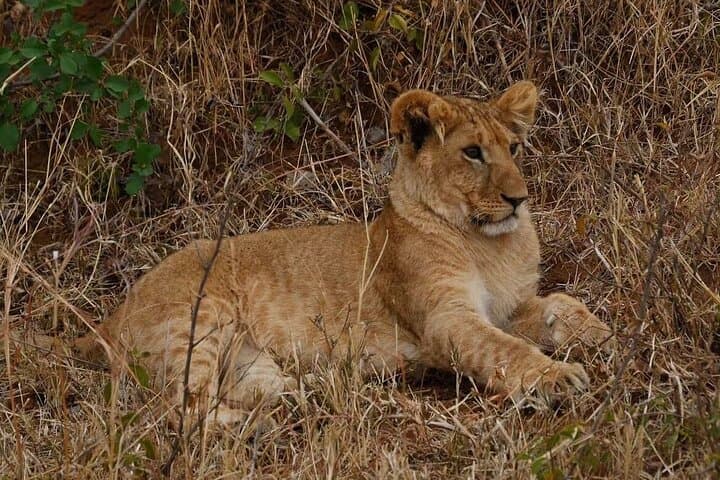

Dawn breaks across the Masai Mara and the savannah exhales gold. A convoy of open-roof jeeps threads through rolling grass, guides scanning the horizon for movement; vultures quarter the sky and the Mara River gleams like a ribbon daring the wildebeest to cross.
Dawn breaks across the Masai Mara and the savannah exhales gold. A convoy of open-roof jeeps threads through rolling grass, guides scanning the horizon for movement; vultures quarter the sky and the Mara River gleams like a ribbon daring the wildebeest to cross.
The reserve sits on the southern edge of the Great Rift Valley, formed by tectonic plates that split East Africa and sculpted the escarpments visitors drive through. Maasai communities have lived alongside this wildlife for generations; their bomas and beadwork are as much a part of the landscape as termite mounds and kopjes. Nearby Lake Nakuru adds geological contrast—an alkaline lake attracting vast flamingo flocks when water levels allow.
Over three days, expect morning and late-afternoon game drives aimed at peak animal activity, a full day dedicated to tracking big cats and grazing herds, and a transfer that passes Nakuru’s flamingo shores. Accommodations are in a tented camp with communal meals and evening bonfires—comfort with close contact to nocturnal sounds.
Practical notes: vehicles are often high-clearance 4x4s; long drives are dusty so pack a face covering and layers for chilly mornings. Wildlife sightings are weather- and season-dependent—river crossings concentrate during migration months. Bring binoculars, a camera with a decent zoom, and cash for park fees and tips. Health-wise, consult a travel clinic about malaria prophylaxis and routine vaccinations. Schedule early departures to catch sunrise activity and mid-day rests to avoid heat. With sensible packing and a flexible itinerary, a three-day Mara safari is an efficient, unforgettable immersion into East Africa’s prime wildlife country.