THE ADVENTURE COLLECTIVE® · Independent discovery and booking for outdoor travel

Three days in the Masai Mara means long game drives, river-view picnics and tented-camp nights where sightings of lions, elephants and river crossings are part of the routine. This private safari handles logistics so travelers can focus on wildlife viewing and cultural encounters.
Three days in the Masai Mara means long game drives, river-view picnics and tented-camp nights where sightings of lions, elephants and river crossings are part of the routine. This private safari handles logistics so travelers can focus on wildlife viewing and cultural encounters.
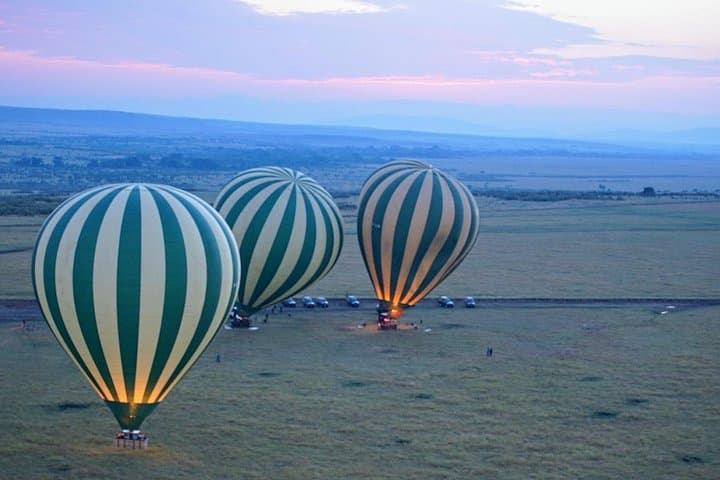
Dawn pours gold across rolling savanna as a Land Cruiser threads a thin ribbon of dust toward the Mara River. Early light picks out silhouettes—acacia crowns, lanky wildebeest, and a distant pride that watches, patient and sure. That first drive after lunch is an introduction; the second-day traversal of the Mara and its riverbanks is the real classroom for wildlife watching.
Verified experiences and guided adventures in the surrounding area.
Operated by Tour Operator Kenya · Narok, Narok County
Dawn pours gold across rolling savanna as a Land Cruiser threads a thin ribbon of dust toward the Mara River. Early light picks out silhouettes—acacia crowns, lanky wildebeest, and a distant pride that watches, patient and sure. That first drive after lunch is an introduction; the second-day traversal of the Mara and its riverbanks is the real classroom for wildlife watching.
The Masai Mara sits on Kenya’s southwestern plains, carved by the Mara River and shaped by volcanic ash soils that feed lush grasslands. The reserve was set aside in the mid-20th century and named for the Maasai people whose seasonal grazing and cultural presence remain part of the landscape. Geology here is simple and honest: broad plains, the escarpment to the west, and seasonal river channels that animate the migration.
Visitors should expect long but comfortable game drives from a tented camp, early starts for predator activity, and close photographic opportunities thanks to a dense track network. Local Maasai communities offer cultural visits—respectful engagement and modest fees support conservancies.
Practical guidance: rise before sunrise, wear neutral layers that wick sweat, and keep lenses and binoculars ready; the best sightings often come in the cold, quiet hour before breakfast. Hydrate between drives and carry small Kenyan shillings for tips and village purchases. Night temperatures can drop—pack a warm layer for camp. Vehicles are sturdy but entering and exiting requires basic mobility.
This itinerary suits travelers seeking immersive wildlife encounters with lodge-style logistics handled—expect long days in the field, vivid animal encounters, and nights under canvas with stars overhead.
easy.
3 days.
Basic mobility and comfort sitting for multi-hour game drives; ability to board a safari vehicle and walk short distances around camp.
July–October is peak for the Great Migration river crossings; however, wildlife viewing is strong year-round with quieter visits outside peak months.
Yellow fever vaccination may be required depending on origin; malaria prophylaxis is recommended—consult a travel clinic before departure.
Most activities involve vehicle-based game drives and short, uneven walks—travelers should be able to step into a safari vehicle and handle brief walks around camp.
Kenyan shillings are preferred for local transactions; tipping guides and camp staff is customary—budget accordingly.
The reserve was designated in the 20th century and named for the Maasai people; its open plains and river systems have long supported seasonal migrations.
Community conservancies and responsible safari operators work with Maasai landowners to reduce human-wildlife conflict and fund anti-poaching; visitors should follow park rules to minimize disturbance.
Tour Operator Kenya operates guided outdoor trips and adventures with an emphasis on safety, stewardship, and memorable experiences.
Dawn pours gold across rolling savanna as a Land Cruiser threads a thin ribbon of dust toward the Mara River. Early light picks out silhouettes—acacia crowns, lanky wildebeest, and a distant pride that watches, patient and sure. That first drive after lunch is an introduction; the second-day traversal of the Mara and its riverbanks is the real classroom for wildlife watching.
Dawn pours gold across rolling savanna as a Land Cruiser threads a thin ribbon of dust toward the Mara River. Early light picks out silhouettes—acacia crowns, lanky wildebeest, and a distant pride that watches, patient and sure. That first drive after lunch is an introduction; the second-day traversal of the Mara and its riverbanks is the real classroom for wildlife watching.
The Masai Mara sits on Kenya’s southwestern plains, carved by the Mara River and shaped by volcanic ash soils that feed lush grasslands. The reserve was set aside in the mid-20th century and named for the Maasai people whose seasonal grazing and cultural presence remain part of the landscape. Geology here is simple and honest: broad plains, the escarpment to the west, and seasonal river channels that animate the migration.
Visitors should expect long but comfortable game drives from a tented camp, early starts for predator activity, and close photographic opportunities thanks to a dense track network. Local Maasai communities offer cultural visits—respectful engagement and modest fees support conservancies.
Practical guidance: rise before sunrise, wear neutral layers that wick sweat, and keep lenses and binoculars ready; the best sightings often come in the cold, quiet hour before breakfast. Hydrate between drives and carry small Kenyan shillings for tips and village purchases. Night temperatures can drop—pack a warm layer for camp. Vehicles are sturdy but entering and exiting requires basic mobility.
This itinerary suits travelers seeking immersive wildlife encounters with lodge-style logistics handled—expect long days in the field, vivid animal encounters, and nights under canvas with stars overhead.