THE ADVENTURE COLLECTIVE® · Independent discovery and booking for outdoor travel

Three days in the Masai Mara means dawn and dusk game drives, river-side picnics during the wildebeest migration window, and a cultural stop at a Maasai village. This practical guide outlines what to expect, how to prepare, and when to go for the best wildlife chances.
Three days in the Masai Mara means dawn and dusk game drives, river-side picnics during the wildebeest migration window, and a cultural stop at a Maasai village. This practical guide outlines what to expect, how to prepare, and when to go for the best wildlife chances.
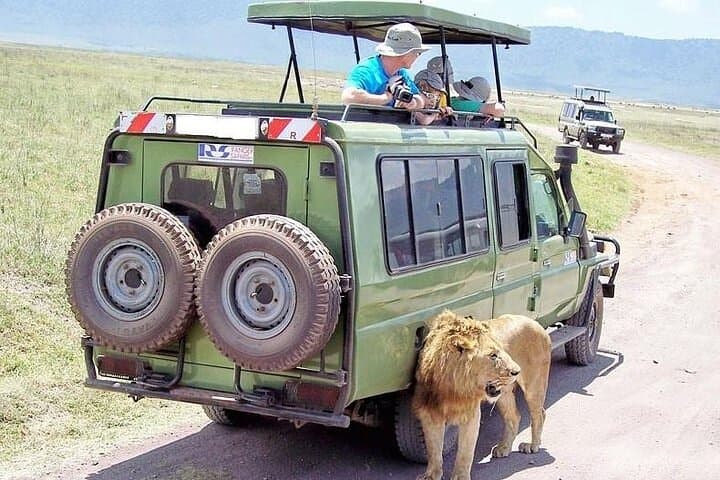
Dust rises under the jeep as the sun pries itself over the Mara; early light turns the grass gold and a distant lion yawns like an old king waking to patrol. You arrive by road from Nairobi, crossing a rim of the Rift to a reserve where plains stretch toward the horizon and the Mara River cuts a steady line through the grass.
Verified experiences and guided adventures in the surrounding area.
Operated by Sabilom Kenya Tours & Safaris · Narok, Narok County
Dust rises under the jeep as the sun pries itself over the Mara; early light turns the grass gold and a distant lion yawns like an old king waking to patrol. You arrive by road from Nairobi, crossing a rim of the Rift to a reserve where plains stretch toward the horizon and the Mara River cuts a steady line through the grass.
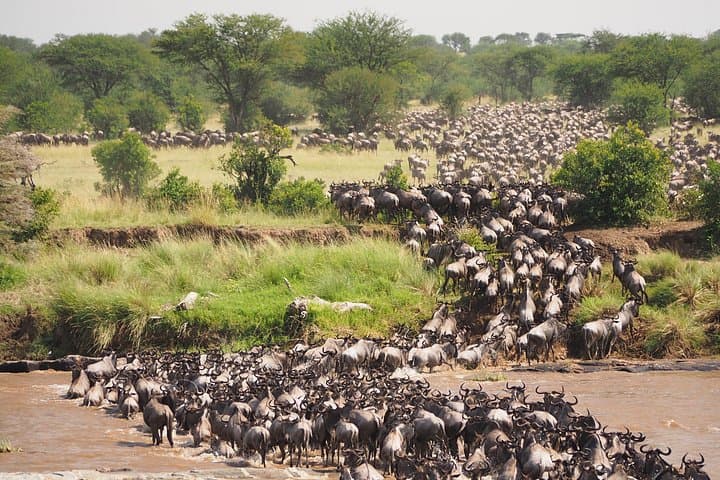
The Masai Mara sits on the southern end of the larger Serengeti ecosystem—land shaped by tectonic forces of the Rift and years of grazing. That geology created broad savannahs that support iconic migrations; during July–October the wildebeest surge through in waves, changing the rhythm of the plains. Masai culture remains visible here—villages offer a direct window into local life, song and stick dances that have coexisted with wildlife management for generations.
Over three days expect morning and evening game drives, full-day searching for the Big Five, and a guided village visit. Rhino Tourist Camp (or similar) provides basic safari comfort between outings. Drives are on graded dirt roads; sightings are never guaranteed but probability is high for elephants, lions, leopards and large herds of herbivores.
Practical edge: travel light but layered—dawn and dusk are cool; midday is hot. Bring binoculars, camera batteries and cash for tips or village purchases. Roads can be bumpy and seasonal rains make some tracks slow; a 6-hour drive from Nairobi is typical. Listen to guides—wildlife moves on its own schedule, and patience pays off. Hydrate, sun-protect, and keep a respectful distance: the Masai Mara rewards quiet observation with unforgettable encounters.
moderate.
3 days.
Suitable for travelers with average fitness; involves long vehicle days and short walks at camps and viewpoints.
Expect roughly 5–6 hours by road depending on traffic and stops; guides often schedule a viewpoint break at the Rift Valley en route.
Three days gives good odds for seeing many Big Five species, but sightings depend on season, luck and animal movement—guides maximize opportunities by timing drives at dawn and dusk.
The itinerary lists wheelchair-accessible transport and sites, but specific mobility needs should be discussed at booking; young children are allowed but may need to sit on laps per policy.
The main Masai Mara crossing season usually occurs July–October, though timings vary annually—ask your operator about current migration patterns before booking.
The Masai Mara is part of the larger Serengeti-Mara ecosystem historically used by pastoralist Maasai communities; reserve boundaries and conservation policies evolved during the 20th century to protect migration routes.
Responsible tours limit off-road driving and support local communities; visitors should avoid feeding or approaching wildlife and consider eco-friendly camps that contribute to local conservation funds.
Sabilom Kenya Tours & Safaris operates guided outdoor trips and adventures with an emphasis on safety, stewardship, and memorable experiences.
Dust rises under the jeep as the sun pries itself over the Mara; early light turns the grass gold and a distant lion yawns like an old king waking to patrol. You arrive by road from Nairobi, crossing a rim of the Rift to a reserve where plains stretch toward the horizon and the Mara River cuts a steady line through the grass.
Dust rises under the jeep as the sun pries itself over the Mara; early light turns the grass gold and a distant lion yawns like an old king waking to patrol. You arrive by road from Nairobi, crossing a rim of the Rift to a reserve where plains stretch toward the horizon and the Mara River cuts a steady line through the grass.
The Masai Mara sits on the southern end of the larger Serengeti ecosystem—land shaped by tectonic forces of the Rift and years of grazing. That geology created broad savannahs that support iconic migrations; during July–October the wildebeest surge through in waves, changing the rhythm of the plains. Masai culture remains visible here—villages offer a direct window into local life, song and stick dances that have coexisted with wildlife management for generations.
Over three days expect morning and evening game drives, full-day searching for the Big Five, and a guided village visit. Rhino Tourist Camp (or similar) provides basic safari comfort between outings. Drives are on graded dirt roads; sightings are never guaranteed but probability is high for elephants, lions, leopards and large herds of herbivores.
Practical edge: travel light but layered—dawn and dusk are cool; midday is hot. Bring binoculars, camera batteries and cash for tips or village purchases. Roads can be bumpy and seasonal rains make some tracks slow; a 6-hour drive from Nairobi is typical. Listen to guides—wildlife moves on its own schedule, and patience pays off. Hydrate, sun-protect, and keep a respectful distance: the Masai Mara rewards quiet observation with unforgettable encounters.