THE ADVENTURE COLLECTIVE® · Independent discovery and booking for outdoor travel

A compact, three-day group safari that delivers classic Masai Mara game drives, midrange camp comfort, and chances to catch the Great Migration. Ideal for travelers who want intense wildlife viewing with straightforward logistics.
A compact, three-day group safari that delivers classic Masai Mara game drives, midrange camp comfort, and chances to catch the Great Migration. Ideal for travelers who want intense wildlife viewing with straightforward logistics.
Sunrise spills gold across the Mara plains as a Land Cruiser threads a track between umbrella thorn acacias and a distant line of grazing wildebeest. The air smells of dust and green grass; a lion’s low growl reminds you the landscape is lived-in and alive. Over three days you move from Nairobi’s highway into the vast openness of the Masai Mara, learning to read spoor and sky as much as the map.
Verified experiences and guided adventures in the surrounding area.
Operated by Safari Update Travels · Masai Mara, Narok County
Sunrise spills gold across the Mara plains as a Land Cruiser threads a track between umbrella thorn acacias and a distant line of grazing wildebeest. The air smells of dust and green grass; a lion’s low growl reminds you the landscape is lived-in and alive. Over three days you move from Nairobi’s highway into the vast openness of the Masai Mara, learning to read spoor and sky as much as the map.
Geology here is the visible edge of the Great Rift Valley—folded escarpments and broad plains carved by tectonics and seasonal rivers. The Maasai people have grazed cattle on these grasses for generations; the reserve itself was formalized in the mid-20th century to protect migratory routes. Culture, wildlife and conservation intersect in community-run conservancies that support both tourism and pastoral life.
Practically, expect long drives (about five hours each way from Nairobi), early-morning and late-afternoon game drives, and midrange camp or lodge accommodation. Bring layered clothing for cool mornings, sun protection for midday, and a camera with a long lens for distant predators. Follow your guide’s safety briefings—approach wildlife only from vehicles and keep noise low. Hydrate and carry malaria precautions if advised by your doctor. Arrival and pickup logistics are handled from Nairobi; tipping guides and camp staff at trip end is customary.
This itinerary is straightforward but rich: sunrise drives, full-day game viewing searching for the Big Five, and evenings listening to Maasai stories around a campfire. It’s an accessible safari that places wildlife front and center while offering grounding cultural context and practical comfort.
easy.
3 days.
Minimal hiking required; you should be comfortable sitting for several hours per day and able to embark/disembark vehicles
Peak migration viewing in the Mara is typically July through October when huge herds cross from the Serengeti seeking fresh pasture and river water.
Yes—children can join but policies vary by camp; infants may be required to sit on laps and parents should follow safety guidelines.
Yellow fever vaccination may be required depending on arrival country; malaria prophylaxis is commonly recommended—check health advisories and consult your doctor.
The tour includes pickup from Nairobi hotels or Jomo Kenyatta Airport early on day one; confirm your meeting point and flight timings when booking.
The Mara’s grazing lands have been used by Maasai pastoralists for generations; the reserve was established to protect wildlife migration routes and balance community livelihoods.
Many conservancies adjacent to the reserve are community-run, and responsible tourism supports anti-poaching and local incomes—avoid single-use plastics and heed guide instructions to minimize impact.
Safari Update Travels operates guided outdoor trips and adventures with an emphasis on safety, stewardship, and memorable experiences.

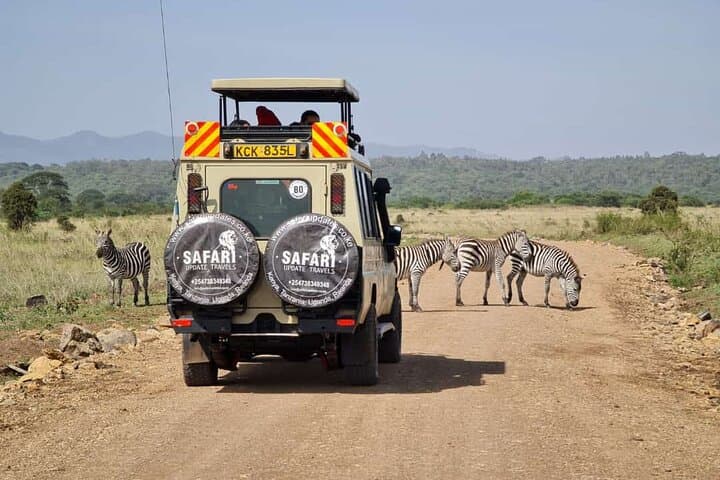
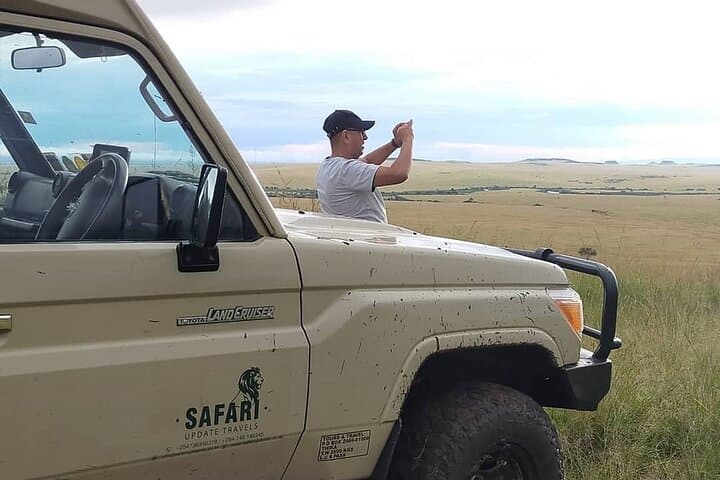

Sunrise spills gold across the Mara plains as a Land Cruiser threads a track between umbrella thorn acacias and a distant line of grazing wildebeest. The air smells of dust and green grass; a lion’s low growl reminds you the landscape is lived-in and alive. Over three days you move from Nairobi’s highway into the vast openness of the Masai Mara, learning to read spoor and sky as much as the map.
Sunrise spills gold across the Mara plains as a Land Cruiser threads a track between umbrella thorn acacias and a distant line of grazing wildebeest. The air smells of dust and green grass; a lion’s low growl reminds you the landscape is lived-in and alive. Over three days you move from Nairobi’s highway into the vast openness of the Masai Mara, learning to read spoor and sky as much as the map.
Geology here is the visible edge of the Great Rift Valley—folded escarpments and broad plains carved by tectonics and seasonal rivers. The Maasai people have grazed cattle on these grasses for generations; the reserve itself was formalized in the mid-20th century to protect migratory routes. Culture, wildlife and conservation intersect in community-run conservancies that support both tourism and pastoral life.
Practically, expect long drives (about five hours each way from Nairobi), early-morning and late-afternoon game drives, and midrange camp or lodge accommodation. Bring layered clothing for cool mornings, sun protection for midday, and a camera with a long lens for distant predators. Follow your guide’s safety briefings—approach wildlife only from vehicles and keep noise low. Hydrate and carry malaria precautions if advised by your doctor. Arrival and pickup logistics are handled from Nairobi; tipping guides and camp staff at trip end is customary.
This itinerary is straightforward but rich: sunrise drives, full-day game viewing searching for the Big Five, and evenings listening to Maasai stories around a campfire. It’s an accessible safari that places wildlife front and center while offering grounding cultural context and practical comfort.