THE ADVENTURE COLLECTIVE® · Independent discovery and booking for outdoor travel

Three days of charter flights and guided game drives deliver intense wildlife encounters in Masai Mara, with lodge stays and expert guides maximizing your chances to see the Big Five. Read on for what to expect, when to go, and how to pack.
Three days of charter flights and guided game drives deliver intense wildlife encounters in Masai Mara, with lodge stays and expert guides maximizing your chances to see the Big Five. Read on for what to expect, when to go, and how to pack.
The engine hums, then falls away—leaving the plains open and raw beneath you. From the small airstrip, the Mara sprawls: ochre grass punctuated by acacia silhouettes, the Talek River cutting a dark vein through the reserve. On arrival a game-drive transfers you to Mara Simba Lodge, where the cadence of the day is set by sun-up and the animal movements that follow it.
Verified experiences and guided adventures in the surrounding area.
Operated by Jemmilah Mwende · Masai Mara, Narok County
The engine hums, then falls away—leaving the plains open and raw beneath you. From the small airstrip, the Mara sprawls: ochre grass punctuated by acacia silhouettes, the Talek River cutting a dark vein through the reserve. On arrival a game-drive transfers you to Mara Simba Lodge, where the cadence of the day is set by sun-up and the animal movements that follow it.
Masai Mara National Reserve sits at roughly 1,500 meters on the Kenyan Rift’s western edge. Geology here is readable in abrupt escarpments and river-carved valleys; the Mara River is the stage for the annual wildebeest crossings that define much of the park’s global fame. The name honors the Maasai people whose culture and grazing traditions have shaped this landscape for generations; many local conservancies now partner with lodges and guides to share revenue and protect corridors.
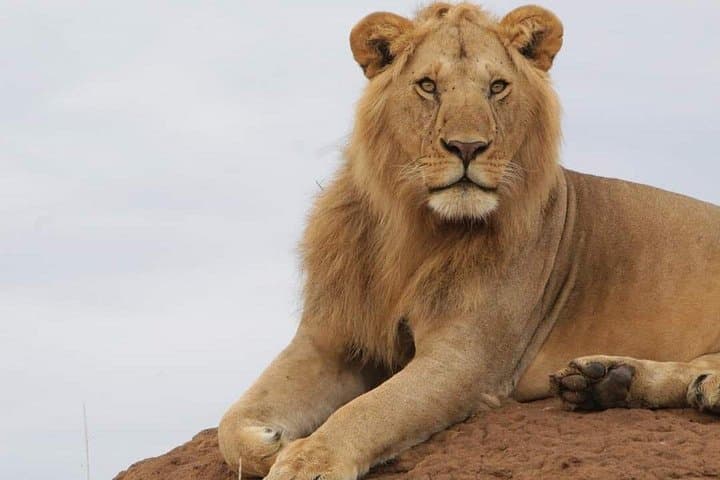
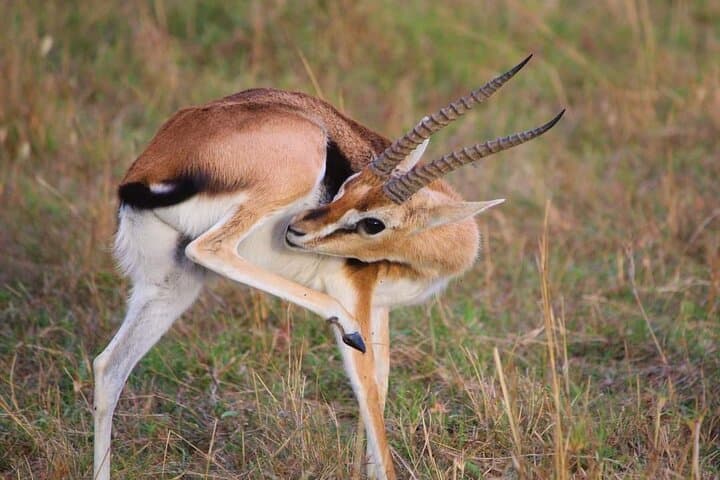
Expect two full days of guided game drives—early morning and late afternoon—aimed at finding the Big Five and prolific plains game. Weather is equatorial: intense sun by day, cool nights. Wildlife sightings are best at dawn and dusk when predators move and plains herbivores concentrate near water.
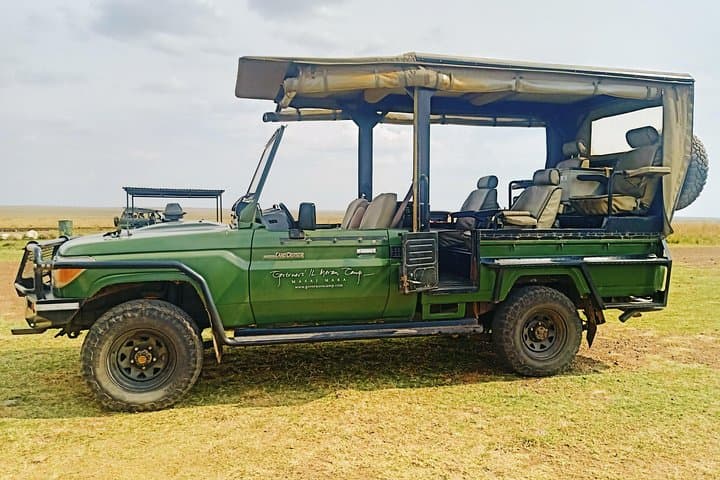
Practical tips: travel light for the flight, bring a good pair of binoculars and a telephoto lens, and layer for temperature swings. Follow your guide’s instructions on distances and photography—vehicles are the safest observation platform. This three-day itinerary balances comfort, concentrated game time, and the logistical ease of a charter flight, making it a high-return option for travelers who want accessible, wildlife-focused adventure.
easy.
3 days (approx. 72 hours).
Light fitness required—most time spent in vehicle with short, easy walks around camps; able-bodied travelers of all ages can participate.
The peak river crossings typically occur July–October, when herds move north from the Serengeti into the Mara, though timings vary yearly with rains.
Travelers commonly require a valid passport and an e-visa for Kenya; check CDC guidance for recommended vaccinations like yellow fever and routine immunizations well before travel.
Light aircraft often limit baggage to one soft bag per person (typically around 15–20 kg); confirm exact allowance with the operator before packing.
Yes—infants can ride but often must sit on laps during flights; confirm age restrictions and any child rates with the operator when booking.
The reserve takes its name from the Maasai people and the Mara River; protected in the mid-20th century, it has long been managed for pastoralism alongside wildlife tourism.
Community conservancies and anti-poaching patrols work with lodges to protect migration corridors; travelers should stick to designated roads and support community-based tourism to reduce impacts.
Jemmilah Mwende operates guided outdoor trips and adventures with an emphasis on safety, stewardship, and memorable experiences.
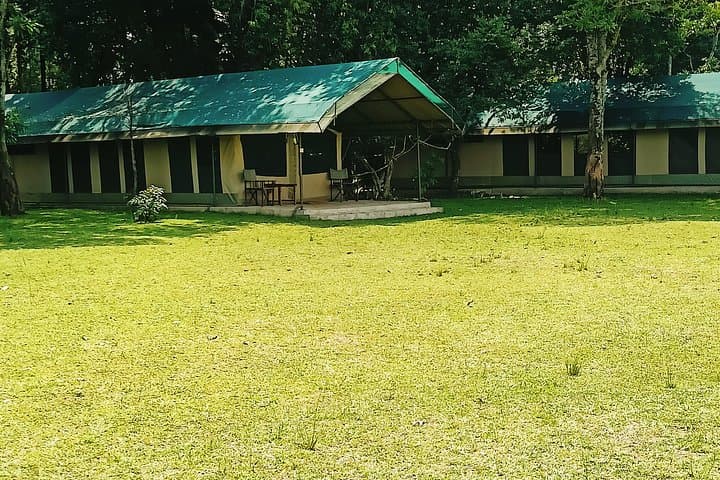
The engine hums, then falls away—leaving the plains open and raw beneath you. From the small airstrip, the Mara sprawls: ochre grass punctuated by acacia silhouettes, the Talek River cutting a dark vein through the reserve. On arrival a game-drive transfers you to Mara Simba Lodge, where the cadence of the day is set by sun-up and the animal movements that follow it.
The engine hums, then falls away—leaving the plains open and raw beneath you. From the small airstrip, the Mara sprawls: ochre grass punctuated by acacia silhouettes, the Talek River cutting a dark vein through the reserve. On arrival a game-drive transfers you to Mara Simba Lodge, where the cadence of the day is set by sun-up and the animal movements that follow it.
Masai Mara National Reserve sits at roughly 1,500 meters on the Kenyan Rift’s western edge. Geology here is readable in abrupt escarpments and river-carved valleys; the Mara River is the stage for the annual wildebeest crossings that define much of the park’s global fame. The name honors the Maasai people whose culture and grazing traditions have shaped this landscape for generations; many local conservancies now partner with lodges and guides to share revenue and protect corridors.
Expect two full days of guided game drives—early morning and late afternoon—aimed at finding the Big Five and prolific plains game. Weather is equatorial: intense sun by day, cool nights. Wildlife sightings are best at dawn and dusk when predators move and plains herbivores concentrate near water.
Practical tips: travel light for the flight, bring a good pair of binoculars and a telephoto lens, and layer for temperature swings. Follow your guide’s instructions on distances and photography—vehicles are the safest observation platform. This three-day itinerary balances comfort, concentrated game time, and the logistical ease of a charter flight, making it a high-return option for travelers who want accessible, wildlife-focused adventure.