THE ADVENTURE COLLECTIVE® · Independent discovery and booking for outdoor travel

Three days in the Masai Mara combine early-morning and late-afternoon game drives with nights at a private campsite. Expect sustained wildlife viewing—lions, elephants, and the drama of migration—plus a chance to visit Maasai village life.
Three days in the Masai Mara combine early-morning and late-afternoon game drives with nights at a private campsite. Expect sustained wildlife viewing—lions, elephants, and the drama of migration—plus a chance to visit Maasai village life.
Dawn breaks over the open savannah and a low chorus of hooves and birds sets the pace—this is the Masai Mara at first light. Guests on a three-day camping safari travel from Nairobi across the escarpment of the Great Rift Valley, arriving to wide grasslands where acacia silhouettes pin the horizon and herds move in deliberate waves.
Verified experiences and guided adventures in the surrounding area.
Operated by Best Camping Tours Kenya · Masai Mara, Narok County
Dawn breaks over the open savannah and a low chorus of hooves and birds sets the pace—this is the Masai Mara at first light. Guests on a three-day camping safari travel from Nairobi across the escarpment of the Great Rift Valley, arriving to wide grasslands where acacia silhouettes pin the horizon and herds move in deliberate waves.
Geology here is plain and plate: the Mara sits on Serengeti-Mara plains carved by tectonic shifts of the Rift Valley, creating shallow rivers and seasonal oxbow lakes that direct animal movement. Culturally the reserve adjoins Maasai communities; visitors commonly encounter traditional villages where beadwork and cattle-centered life remain prominent. The Mara’s history as a protected reserve dates to mid-20th century conservation efforts aimed at preserving one of East Africa’s last great migration corridors.
On this camping itinerary expect early morning and late afternoon game drives—prime windows for predators and grazers—plus opportunities to visit a Maasai village. Nights at a private campsite are rustic but comfortable, with campfires and starlit horizons.
Practical guidance: pack neutral layers, a warm jacket for pre-dawn drives, and sturdy shoes for brief walks at viewpoints. Bring binoculars and a camera with a telephoto lens; vehicles can approach game but long lenses make compositions cleaner. Hydration and sun protection are vital—days are hot and the sun aggressive. Allow extra time for dirt roads; transfers from Nairobi take several hours and include a Rift Valley descent. Respect local customs when visiting villages and follow guide instructions around wildlife—keeping windows partially closed near big game is good practice.
easy.
3 days (approx. 72 hours).
Suitable for most fitness levels; able to get in/out of a safari vehicle and sleep in basic campsite accommodations.
Expect about 4–6 hours by road depending on traffic and chosen route; travel time includes a descent through the Rift Valley and a lunch stop en route.
The itinerary uses a private campsite with basic sleeping arrangements, communal dining, and campfires—comfortable but rustic compared with lodges.
Sightings are common but never guaranteed; guides maximize opportunities with multiple daily drives and local knowledge of animal movements.
Yes—this operator lists the experience as suitable for all fitness levels and provides infant seats, but confirm age policies and comfort with camping for very young children.
The Masai Mara reserve was established mid-20th century to protect migratory routes between the Mara and the Serengeti; Maasai pastoralist communities have inhabited the area for centuries.
Tourism supports local anti-poaching and community programs; visitors should follow leave-no-trace practices and respect wildlife distances to minimize disturbance.
Best Camping Tours Kenya operates guided outdoor trips and adventures with an emphasis on safety, stewardship, and memorable experiences.


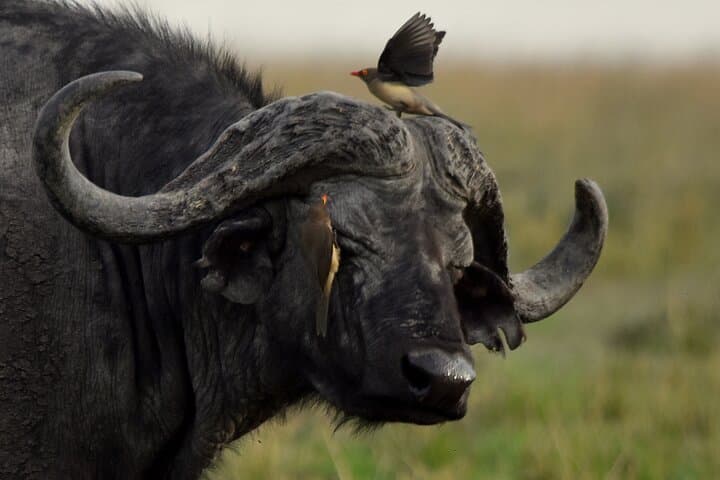

Dawn breaks over the open savannah and a low chorus of hooves and birds sets the pace—this is the Masai Mara at first light. Guests on a three-day camping safari travel from Nairobi across the escarpment of the Great Rift Valley, arriving to wide grasslands where acacia silhouettes pin the horizon and herds move in deliberate waves.
Dawn breaks over the open savannah and a low chorus of hooves and birds sets the pace—this is the Masai Mara at first light. Guests on a three-day camping safari travel from Nairobi across the escarpment of the Great Rift Valley, arriving to wide grasslands where acacia silhouettes pin the horizon and herds move in deliberate waves.
Geology here is plain and plate: the Mara sits on Serengeti-Mara plains carved by tectonic shifts of the Rift Valley, creating shallow rivers and seasonal oxbow lakes that direct animal movement. Culturally the reserve adjoins Maasai communities; visitors commonly encounter traditional villages where beadwork and cattle-centered life remain prominent. The Mara’s history as a protected reserve dates to mid-20th century conservation efforts aimed at preserving one of East Africa’s last great migration corridors.
On this camping itinerary expect early morning and late afternoon game drives—prime windows for predators and grazers—plus opportunities to visit a Maasai village. Nights at a private campsite are rustic but comfortable, with campfires and starlit horizons.
Practical guidance: pack neutral layers, a warm jacket for pre-dawn drives, and sturdy shoes for brief walks at viewpoints. Bring binoculars and a camera with a telephoto lens; vehicles can approach game but long lenses make compositions cleaner. Hydration and sun protection are vital—days are hot and the sun aggressive. Allow extra time for dirt roads; transfers from Nairobi take several hours and include a Rift Valley descent. Respect local customs when visiting villages and follow guide instructions around wildlife—keeping windows partially closed near big game is good practice.