THE ADVENTURE COLLECTIVE® · Independent discovery and booking for outdoor travel

Three days in the Masai Mara compresses classic East African safari into concentrated game drives, tented-camp nights and an optional Maasai village visit. Expect big plains, early starts and close wildlife encounters.
Three days in the Masai Mara compresses classic East African safari into concentrated game drives, tented-camp nights and an optional Maasai village visit. Expect big plains, early starts and close wildlife encounters.
Dawn breaks over wide, golden plains as the Land Cruiser kicks up a thin ribbon of dust and the first giraffe silhouettes study the new light. In the Masai Mara the day arrives with purpose: early tea, a quick briefing, then tracking—lions yawning from kopjes, elephants moving with slow deliberation, wildebeest punctuating the grass like living punctuation.
Verified experiences and guided adventures in the surrounding area.
Operated by Gracepatt Ecotours Kenya · Narok, Narok County
Dawn breaks over wide, golden plains as the Land Cruiser kicks up a thin ribbon of dust and the first giraffe silhouettes study the new light. In the Masai Mara the day arrives with purpose: early tea, a quick briefing, then tracking—lions yawning from kopjes, elephants moving with slow deliberation, wildebeest punctuating the grass like living punctuation.
The reserve sits on the eastern edge of the East African Rift, where volcanic soils and seasonal rivers carve sweeping grasslands. The Mara’s ecology is shaped by the annual Serengeti–Mara migration and by generations of Maasai pastoralists whose seasonal patterns and cultural practices remain visible in village life and beadwork.
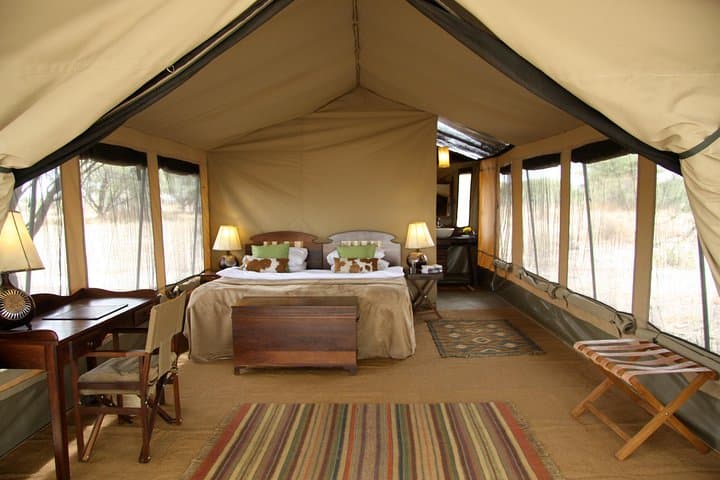
On this three-day camping safari you’ll measure distance in sightings rather than miles: full-day drives across plains, riverbank watches for hippos and crocodiles, and morning drives when predators are most active. Tent camps offer basic comforts—canvas rooms, shared dining, and night skies unpolluted by city glow—while optional visits to a Maasai village introduce local storytelling and beadwork demonstrations.
Practically, expect long hours in open vehicles and unpaved roads that test suspension and patience. The best windows for big-cat viewing are the dry months (June–October), though resident birds and plains game keep activity year-round. Bring layered clothing, sun and insect protection, refillable water, and a compact daypack for quick exits. Be ready to rise early; golden-hour sightings are the reward. With basic planning—vaccinations up to date, modest tipping, and a flexible attitude—this compact safari delivers dense wildlife encounters and a clear sense of place.
easy.
3 days.
Suitable for travellers in average fitness; involves extended periods seated in vehicles and short walks at camps or village visits.
Park fees are often separate from the base tour price; confirm with the operator whether Maasai Mara entry fees are included or payable on arrival.
Driving takes roughly 5–6 hours depending on route and road conditions, with a typical stop at a Rift Valley viewpoint en route.
Yes—many itineraries offer an optional Maasai village visit to learn about culture and crafts; be respectful and ask before photographing villagers.
The Maasai people have grazed these plains for centuries; the reserve was established in the 1960s to protect seasonal migration routes and key wildlife habitat.
Community conservancies and visitor fees support anti-poaching patrols and local livelihoods, but pressure from agriculture and climate variability remain ongoing challenges.
Gracepatt Ecotours Kenya operates guided outdoor trips and adventures with an emphasis on safety, stewardship, and memorable experiences.
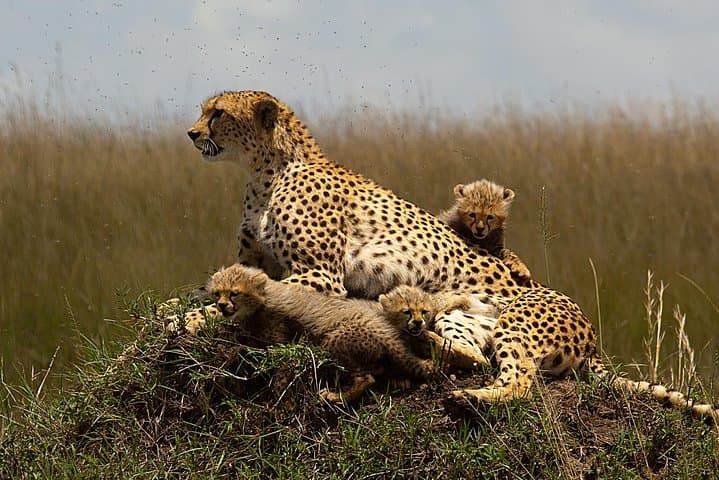
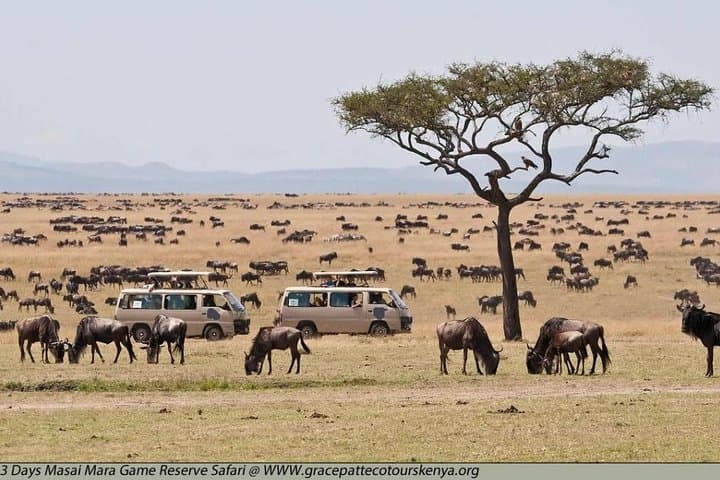
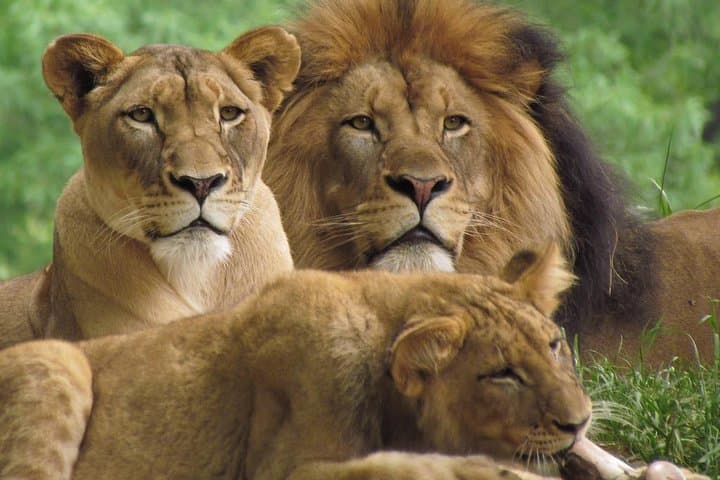
Dawn breaks over wide, golden plains as the Land Cruiser kicks up a thin ribbon of dust and the first giraffe silhouettes study the new light. In the Masai Mara the day arrives with purpose: early tea, a quick briefing, then tracking—lions yawning from kopjes, elephants moving with slow deliberation, wildebeest punctuating the grass like living punctuation.
Dawn breaks over wide, golden plains as the Land Cruiser kicks up a thin ribbon of dust and the first giraffe silhouettes study the new light. In the Masai Mara the day arrives with purpose: early tea, a quick briefing, then tracking—lions yawning from kopjes, elephants moving with slow deliberation, wildebeest punctuating the grass like living punctuation.
The reserve sits on the eastern edge of the East African Rift, where volcanic soils and seasonal rivers carve sweeping grasslands. The Mara’s ecology is shaped by the annual Serengeti–Mara migration and by generations of Maasai pastoralists whose seasonal patterns and cultural practices remain visible in village life and beadwork.
On this three-day camping safari you’ll measure distance in sightings rather than miles: full-day drives across plains, riverbank watches for hippos and crocodiles, and morning drives when predators are most active. Tent camps offer basic comforts—canvas rooms, shared dining, and night skies unpolluted by city glow—while optional visits to a Maasai village introduce local storytelling and beadwork demonstrations.
Practically, expect long hours in open vehicles and unpaved roads that test suspension and patience. The best windows for big-cat viewing are the dry months (June–October), though resident birds and plains game keep activity year-round. Bring layered clothing, sun and insect protection, refillable water, and a compact daypack for quick exits. Be ready to rise early; golden-hour sightings are the reward. With basic planning—vaccinations up to date, modest tipping, and a flexible attitude—this compact safari delivers dense wildlife encounters and a clear sense of place.