THE ADVENTURE COLLECTIVE® · Independent discovery and booking for outdoor travel

Three days in the Masai Mara is a concentrated wildlife encounter: dawn and dusk game drives, riverbank picnics by the Mara, and cultural touches with Maasai communities. Read practical tips on timing, packing, and what to expect from each day in the reserve.
Three days in the Masai Mara is a concentrated wildlife encounter: dawn and dusk game drives, riverbank picnics by the Mara, and cultural touches with Maasai communities. Read practical tips on timing, packing, and what to expect from each day in the reserve.
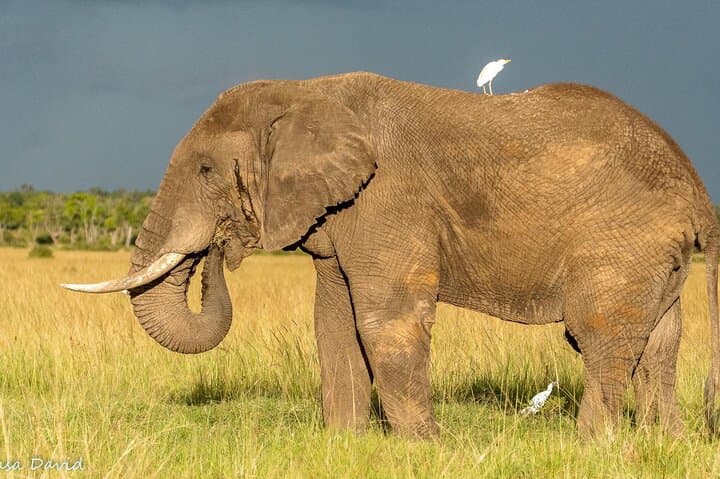
The first light over the Masai Mara strips the savannah into bands of gold and shadow; acacia silhouettes sharpen and a distant roar answers the morning. On this three‑day loop you slip into raised 4x4 seats and the landscape becomes a moving classroom—endless grass punctuated by lone fig trees and the dark line of the Mara River daring you to cross.
Verified experiences and guided adventures in the surrounding area.
Operated by African Home Adventure Safaris · Narok, Narok County
The first light over the Masai Mara strips the savannah into bands of gold and shadow; acacia silhouettes sharpen and a distant roar answers the morning. On this three‑day loop you slip into raised 4x4 seats and the landscape becomes a moving classroom—endless grass punctuated by lone fig trees and the dark line of the Mara River daring you to cross.
Geology here is simple and ancient: gently rolling plain carved by the Rift Valley, with riverine gulleys that collect water and life. The reserve sits on Maasai ancestral lands and the culture around the Mara remains visible—Maasai bomas, red-shawled herders and cattle paths that predate tourism. Established as a protected area to preserve wildlife migrations, the Mara now balances heavy visitor traffic with community conservancies.
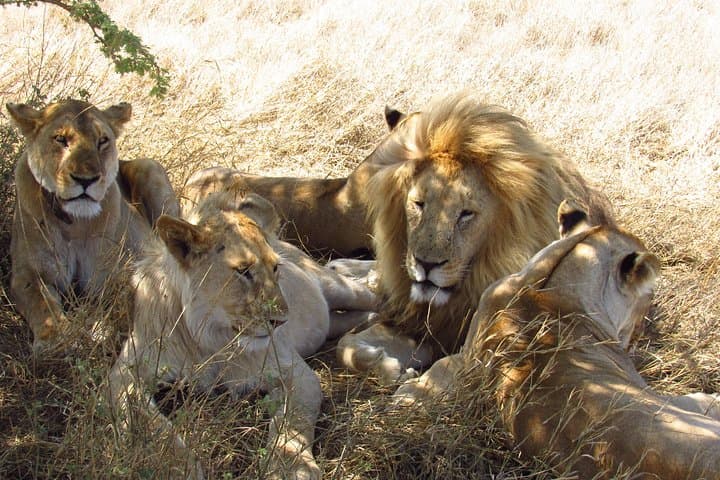
Daily rhythms are driven by light and water: dawn and dusk are best for lion and leopard sightings, river edges host hippos and crocodiles, and the great wildebeest migration concentrates life where the river gives or withholds passage. Expect long game‑drive hours, occasional guided walks, a village visit option and simple lodge or tented‑camp nights.
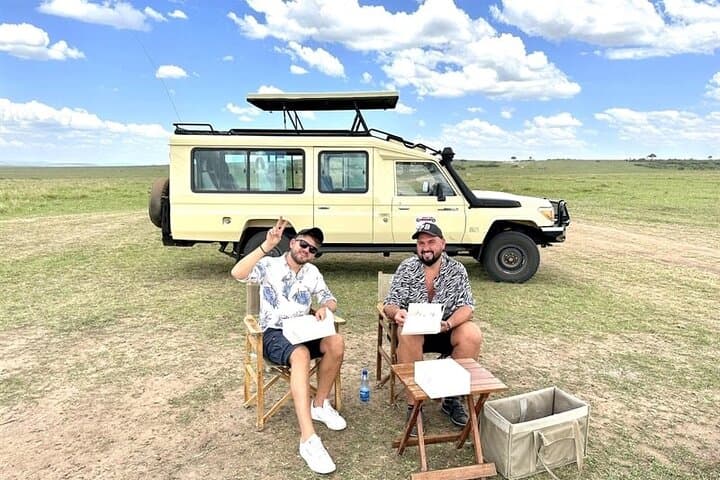
Practical guidance: travel with layered clothing for hot days and chilly mornings, carry binoculars and a reusable water bottle, and get malaria advice before you go. Vehicles are open‑top 4x4s with local driver‑guides; tipping and respecting wildlife distances are standard. With modest fitness and basic preparation, this compact safari delivers concentrated wildlife viewing and clear logistical expectations—pack for patience as much as for photos.
easy.
3 days.
Low fitness required—most time spent seated in a 4x4; be prepared for long days and occasional short walks.
The Mara sees the bulk of the migration from July through October, with many river crossings peaking in August–September depending on rainfall.
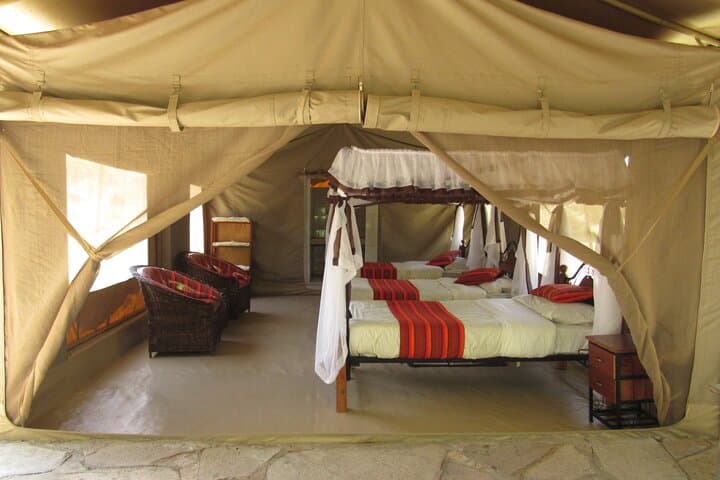
This itinerary includes two nights at a wildlife camp and meals as described—confirm specifics with your operator and any upgrades available.
Check CDC or WHO guidance for current recommendations; yellow fever may be required if arriving from an endemic country and malaria prophylaxis is commonly advised.
Typical drives start early (around 06:00) with full‑day options on day two; pickups are arranged from Nairobi or Narok depending on your booking and transfer choices.
The Masai Mara sits on ancestral Maasai grazing lands; protected status dates to mid‑20th century efforts to preserve migration routes and wildlife populations.
Community conservancies and anti‑poaching units work alongside tourism to fund protection; visitors should support local guides and minimize fuel and waste footprints.
African Home Adventure Safaris operates guided outdoor trips and adventures with an emphasis on safety, stewardship, and memorable experiences.
The first light over the Masai Mara strips the savannah into bands of gold and shadow; acacia silhouettes sharpen and a distant roar answers the morning. On this three‑day loop you slip into raised 4x4 seats and the landscape becomes a moving classroom—endless grass punctuated by lone fig trees and the dark line of the Mara River daring you to cross.
The first light over the Masai Mara strips the savannah into bands of gold and shadow; acacia silhouettes sharpen and a distant roar answers the morning. On this three‑day loop you slip into raised 4x4 seats and the landscape becomes a moving classroom—endless grass punctuated by lone fig trees and the dark line of the Mara River daring you to cross.
Geology here is simple and ancient: gently rolling plain carved by the Rift Valley, with riverine gulleys that collect water and life. The reserve sits on Maasai ancestral lands and the culture around the Mara remains visible—Maasai bomas, red-shawled herders and cattle paths that predate tourism. Established as a protected area to preserve wildlife migrations, the Mara now balances heavy visitor traffic with community conservancies.
Daily rhythms are driven by light and water: dawn and dusk are best for lion and leopard sightings, river edges host hippos and crocodiles, and the great wildebeest migration concentrates life where the river gives or withholds passage. Expect long game‑drive hours, occasional guided walks, a village visit option and simple lodge or tented‑camp nights.
Practical guidance: travel with layered clothing for hot days and chilly mornings, carry binoculars and a reusable water bottle, and get malaria advice before you go. Vehicles are open‑top 4x4s with local driver‑guides; tipping and respecting wildlife distances are standard. With modest fitness and basic preparation, this compact safari delivers concentrated wildlife viewing and clear logistical expectations—pack for patience as much as for photos.